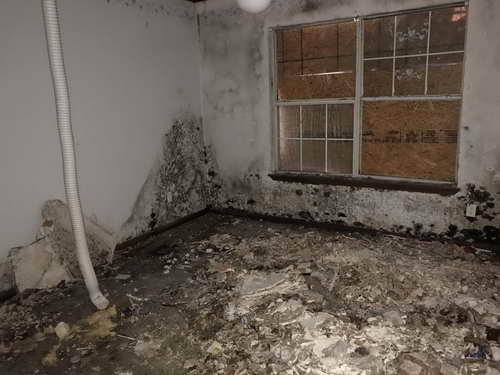
Mold growth is a persistent concern for homes in Pompano Beach, especially due to South Florida’s high humidity, frequent rains, and coastal environment. Even small amounts of moisture from leaks, AC condensation, or poor ventilation can lead to mold development, which can damage walls, ceilings, flooring, and reduce indoor air quality. Professional mold testing is the first step in identifying risks and implementing preventive measures.
For homeowners, landlords, and property managers in Pompano Beach and nearby areas including Lighthouse Point, Deerfield Beach, Margate, Coconut Creek, North Lauderdale, Lauderdale-by-the-Sea, and Fort Lauderdale, understanding mold testing, associated risks, and prevention strategies is essential for maintaining a safe and healthy home.
What Mold Testing Involves
Mold testing is a systematic process that identifies the presence and severity of mold in residential spaces. Key components include:
- Visual Inspection – Identify visible mold, water stains, discoloration, or warping
- Moisture Detection – Use moisture meters and thermal imaging cameras to locate hidden damp areas
- Air and Surface Sampling – Collect samples to identify mold species and concentrations
- Risk Assessment – Determine areas most susceptible to future growth based on moisture levels and ventilation
- Reporting – Provide clear findings and recommendations for remediation or preventive measures
Professional mold testing ensures accurate detection, even in hidden areas, and helps homeowners make informed decisions.
Common Risks of Mold in Pompano Beach Homes
Several factors make Pompano Beach homes susceptible to mold:
- High Humidity – The coastal climate maintains elevated moisture levels year-round
- Water Intrusion – Leaks from roofs, plumbing, and windows introduce moisture into walls and ceilings
- Storms and Flooding – Heavy rainfall and hurricanes can saturate floors, walls, and crawl spaces
- AC Condensation Issues – Blocked or overflowing lines create localized dampness
- Poor Ventilation – Traps moisture in attics, crawl spaces, and bathrooms
Left untreated, these conditions can result in rapid mold growth, structural damage, and reduced indoor air quality.
Early Warning Signs of Mold
Detecting mold early allows homeowners to act before significant damage occurs. Key signs include:
- Musty or earthy odors
- Discoloration or dark spots on walls, ceilings, or baseboards
- Bubbling, peeling, or warped paint and wallpaper
- Soft, sagging, or warped flooring
- Visible mold behind cabinets, under sinks, or in attics and crawl spaces
- Increased allergic reactions or respiratory issues indoors
These indicators often signal hidden moisture issues that warrant professional testing.
Hidden Areas Where Mold Can Grow
Mold frequently develops in concealed locations:
- Wall cavities and behind baseboards
- Under carpets, laminate, or tile flooring
- Attic insulation and roof structures
- HVAC ducts and air handling systems
- Crawl spaces, plumbing chases, and utility areas
Professional mold testing uses specialized tools to identify these hidden risks accurately.
Why DIY Mold Testing Often Fails
Homeowners attempting DIY mold testing may face challenges:
- Hidden mold behind walls or under flooring may go undetected
- Inaccurate testing can misidentify mold species or severity
- Improper sampling techniques may spread spores
- DIY methods cannot reliably quantify contamination or assess moisture sources
Professional mold testing ensures comprehensive assessment and safe remediation planning.
Professional Mold Testing Process
The professional process typically includes:
- Initial Visual Inspection – Identify visible mold and potential moisture sources
- Moisture Mapping – Locate hidden damp areas using meters and thermal imaging
- Sampling – Collect air and surface samples to determine mold types and concentrations
- Analysis and Reporting – Provide a detailed report with findings, affected areas, and recommendations
- Prevention Guidance – Offer strategies to minimize future mold growth
Local experts like Pompano Mold Inspection and Testing specialize in mold testing for Pompano Beach homes, ensuring precise results and actionable guidance.
Prevention Methods for Homeowners
After mold testing, homeowners can reduce risks by implementing preventive measures:
- Promptly repair roof, plumbing, and AC leaks
- Maintain proper attic, crawl space, and wall ventilation
- Monitor indoor humidity and use dehumidifiers as needed
- Schedule regular inspections, especially after storms or periods of high humidity
- Keep HVAC systems clean and ensure condensate lines are clear
- Install moisture barriers in vulnerable areas like crawl spaces
Preventive strategies protect both the home’s structure and indoor air quality over the long term.
Benefits of Professional Mold Testing
Professional mold testing provides several advantages:
- Early identification of visible and hidden mold
- Accurate assessment of mold species and contamination levels
- Guidance for effective remediation and moisture control
- Prevention of mold spread and future infestations
- Peace of mind knowing the home is thoroughly evaluated and safe
Timely testing reduces repair costs and protects homeowners from long-term damage.
Why Local Expertise Matters
Mold growth in Pompano Beach homes is influenced by coastal humidity, seasonal storms, and local building practices. Professionals familiar with Pompano Beach, Lighthouse Point, Deerfield Beach, Margate, Coconut Creek, North Lauderdale, Lauderdale-by-the-Sea, and Fort Lauderdale understand common problem areas and the most effective testing strategies.
Local expertise ensures inspections, testing, and preventive recommendations are tailored to South Florida homes and environmental conditions.
A Calm, Practical Next Step for Homeowners
Mold testing is essential for protecting Pompano Beach homes from hidden water, mold growth, and structural damage. Professional inspection, sampling, and guidance provide actionable insights to prevent future problems.
Partnering with a trusted local provider like Pompano Mold Inspection and Testing ensures thorough mold testing and expert prevention strategies in South Florida’s humid, coastal environment.