

Why Mold Removal Matters in Lauderdale-by-the-Sea in Older Homes
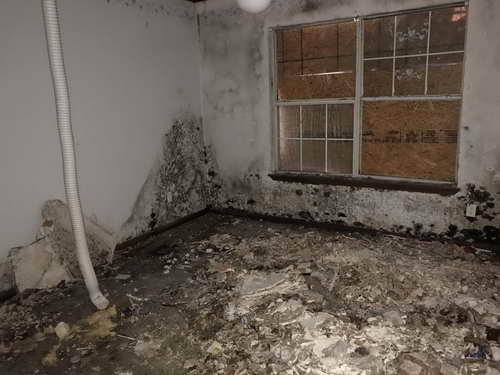
Older homes in Lauderdale-by-the-Sea offer charm, solid construction, and a connection to the area’s history. At the same time, they come with unique challenges that newer homes often avoid. One of the most common and serious issues in older coastal homes is mold. In South Florida’s humid environment, mold problems tend to develop quietly and worsen over time if they are not handled correctly. Understanding why mold removal matters so much in older homes helps property owners protect their investment and avoid recurring damage.
In many cases, mold is not the original problem. It is a visible sign that moisture has been present for a long time. Older homes are especially vulnerable because moisture control systems were not designed for today’s climate demands.
What Makes Older Homes More Vulnerable to Mold
Older homes in Lauderdale-by-the-Sea were often built with materials and methods that did not account for constant air conditioning use, high indoor humidity, or modern moisture management standards. Over time, these homes develop small vulnerabilities that allow moisture to enter and remain trapped.
Porous materials such as plaster, drywall, wood framing, and older insulation absorb moisture easily. Once damp, these materials dry slowly in a coastal climate. This creates ideal conditions for mold growth, especially when airflow is limited or ventilation is outdated.
Why Mold Is Common in Older Lauderdale-by-the-Sea Homes
Coastal exposure plays a major role. Salt air accelerates wear on building materials, seals, and fasteners. Roof components, window frames, and exterior walls in older homes may allow water intrusion during storms or heavy rain.
Many older homes also have aging plumbing systems. Slow leaks inside walls, under sinks, or beneath slab foundations can go unnoticed for months or years. Even a small, steady leak is enough to support mold growth behind surfaces.
Air conditioning systems add another layer of risk. Older ductwork, poor insulation, and outdated drain systems increase condensation problems. Moisture from AC components often ends up in ceilings, walls, or attics, where mold can develop unseen.
Early Warning Signs Homeowners Often Overlook
Mold in older homes rarely appears all at once. One of the first signs is often a musty or earthy odor, especially in closets, spare rooms, or areas with limited airflow. These smells may come and go, making them easy to ignore.
Visual signs may include peeling paint, bubbling drywall, or minor discoloration near baseboards and ceilings. Homeowners sometimes clean small mold spots without realizing that growth is happening behind the walls or under flooring.
Warped baseboards, soft flooring, or persistent humidity indoors are also common indicators that moisture and mold may be present.
Hidden Areas Where Mold Commonly Grows
Some of the most serious mold problems in older Lauderdale-by-the-Sea homes develop out of sight. Attics are a frequent trouble area due to roof leaks, poor ventilation, or AC drain line issues. Damp insulation and roof decking can support mold growth without visible signs inside living spaces.
Wall cavities are another major risk. Moisture from plumbing leaks, condensation, or exterior intrusion can remain trapped behind plaster or drywall. Mold can spread extensively before any surface signs appear.
Air ducts and HVAC components are also common mold reservoirs in older homes. Condensation inside ducts or on poorly insulated surfaces allows mold to grow and spread through the air system.
Why Mold Removal Is More Than Just Cleaning
Many homeowners attempt to handle mold by cleaning visible areas with household products. While this may improve appearance temporarily, it does not solve the underlying problem, especially in older homes.
Mold often grows within porous materials that cannot be fully cleaned. Scrubbing the surface without removing contaminated materials allows mold to return quickly. In some cases, improper cleaning spreads mold particles to other parts of the home.
Proper mold removal focuses on eliminating contaminated materials when necessary and correcting the moisture source that allowed mold to grow in the first place.
Professional Mold Inspection and Testing in Older Homes
Effective mold removal begins with inspection. A professional mold inspection identifies where mold is present and why it developed. Moisture detection tools help locate damp areas inside walls, ceilings, floors, and attics without unnecessary demolition.
In older Lauderdale-by-the-Sea homes, inspections often focus on plumbing lines, roof areas, AC systems, ductwork, and slab foundations. Mold inspection and testing may be used to confirm hidden growth and guide the removal process.
This step is especially important in older homes, where moisture paths are often unpredictable due to past repairs and modifications.
How Proper Mold Removal Protects the Home
Proper mold removal does more than eliminate visible growth. It helps protect the structural components of the home. Prolonged moisture and mold exposure weaken wood framing, drywall, and insulation over time.
By removing affected materials and controlling moisture, mold removal helps slow deterioration and preserve the integrity of older homes. This is particularly important in coastal areas where ongoing moisture exposure is difficult to avoid.
Water Damage Repair and Moisture Correction
In many older homes, mold removal goes hand in hand with water damage repair. Leaks, storm-related intrusion, or AC moisture problems must be corrected to prevent mold from returning.
Water removal, drying, and targeted repairs ensure that moisture is fully addressed. Skipping these steps often leads to recurring mold problems, even after thorough cleanup.
AC Systems, Ductwork, and Mold in Older Homes
Air conditioning systems are a major factor in mold problems in older homes. Aging units, clogged drain lines, and leaky ducts increase condensation risks. Moisture inside duct systems can spread mold throughout the home and affect indoor air quality.
Air duct cleaning and AC-related moisture repairs help reduce these risks. Improving insulation and sealing ductwork can make a noticeable difference in older Lauderdale-by-the-Sea properties.
Preventing Mold in Older Coastal Homes
Prevention focuses on moisture awareness and routine maintenance. Addressing plumbing leaks promptly, maintaining AC systems, and improving ventilation help reduce indoor humidity.
After storms, inspecting attics, ceilings, and exterior walls allows water intrusion to be caught early. Older homes benefit greatly from proactive inspections rather than waiting for visible mold to appear.
Why Local Experience Matters
Mold removal in older Lauderdale-by-the-Sea homes requires local knowledge. Coastal humidity, salt air, and older construction methods all influence how moisture and mold behave. Experience with local housing styles helps professionals identify common problem areas and apply effective solutions.
Pompano Mold Inspection and Testing brings that local expertise to mold removal, mold inspection, moisture detection, and water damage services throughout Lauderdale-by-the-Sea, Fort Lauderdale, Pompano Beach, Lighthouse Point, Coconut Creek, Deerfield Beach, Margate, and surrounding Broward County communities.
A Practical, Long-Term Perspective
Mold problems in older homes are common, but they are manageable with the right approach. Understanding why mold removal matters helps homeowners make informed decisions that protect both the structure and long-term condition of their property. With proper inspection, moisture control, and professional removal, older Lauderdale-by-the-Sea homes can remain safe, durable, and comfortable for years to come.