

Why Home Moisture Control Matters in Fort Lauderdale from Poor Ventilation
Poor ventilation is one of the most common and underestimated causes of moisture problems in Fort Lauderdale homes. Many homeowners associate moisture issues with roof leaks or flooding, but trapped humid air can be just as damaging. In South Florida’s warm, coastal climate, inadequate airflow allows moisture to build up inside living spaces, quietly leading to mold growth, material deterioration, and long-term damage. Understanding why moisture control matters when ventilation is poor helps homeowners take practical steps to protect their homes.
In Fort Lauderdale, moisture problems linked to ventilation rarely appear overnight. They develop gradually in areas that are often overlooked, making early awareness and proper control essential.
What Poor Ventilation Really Does Inside a Home
Ventilation is designed to remove humid air from the home and replace it with fresh, moving air. When ventilation is inadequate, moisture produced by everyday activities has nowhere to go. Showers, cooking, laundry, and even normal occupancy release moisture into the air.
Without proper exhaust and airflow, this humidity settles into walls, ceilings, insulation, and furnishings. Over time, building materials absorb moisture and remain damp, creating conditions where damage can occur even without a visible water source.
Why Fort Lauderdale Homes Are Especially Vulnerable
Fort Lauderdale’s climate places constant pressure on indoor moisture levels. High outdoor humidity is present most of the year, and air conditioning systems run almost continuously to maintain comfort. While AC systems remove some moisture, they are not a replacement for proper ventilation.
Many homes rely on outdated bathroom or kitchen exhaust fans that are undersized, poorly vented, or rarely used. Some homes lack ventilation entirely in certain areas. Older properties are especially vulnerable, but newer homes can also experience problems if airflow is poorly designed.
Nearby areas like Lauderdale-by-the-Sea, Pompano Beach, and Lighthouse Point face similar challenges, but coastal exposure often intensifies humidity-related issues in Fort Lauderdale homes.
Common Signs of Moisture Problems from Poor Ventilation
Moisture problems caused by poor ventilation often start with subtle warning signs. A persistent musty odor is one of the most common indicators, especially in bathrooms, closets, or spare rooms. Condensation on windows, vents, or walls is another frequent sign.
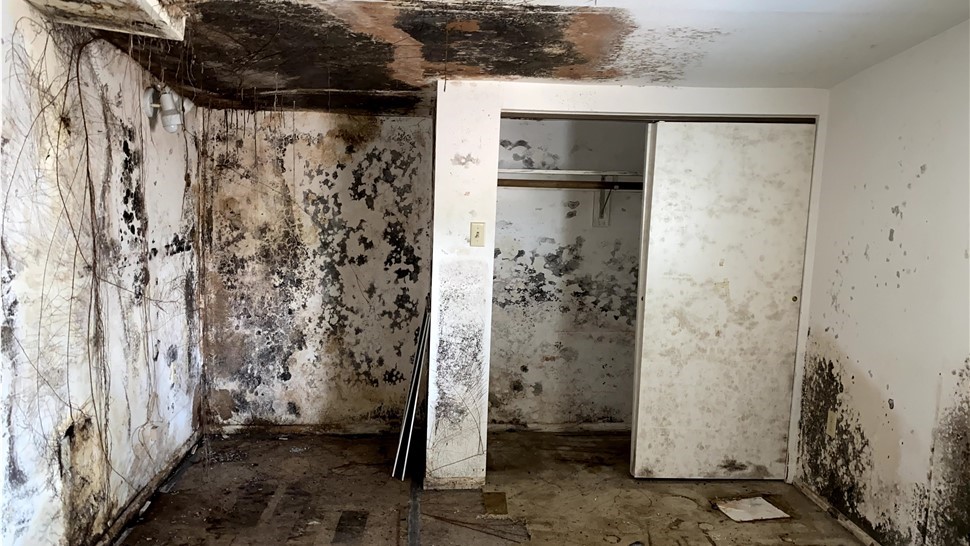
Homeowners may also notice peeling paint, bubbling drywall, or discoloration near ceilings and corners. In some cases, mold spots appear on bathroom ceilings or around vents. These symptoms usually point to ongoing humidity issues rather than isolated leaks.
Hidden Areas Where Moisture Builds Up
Some of the most damaging moisture accumulation occurs out of sight. Bathrooms without effective exhaust fans allow steam to rise into ceiling cavities, where moisture condenses and soaks insulation. Over time, this leads to damp ceiling materials and potential mold growth.
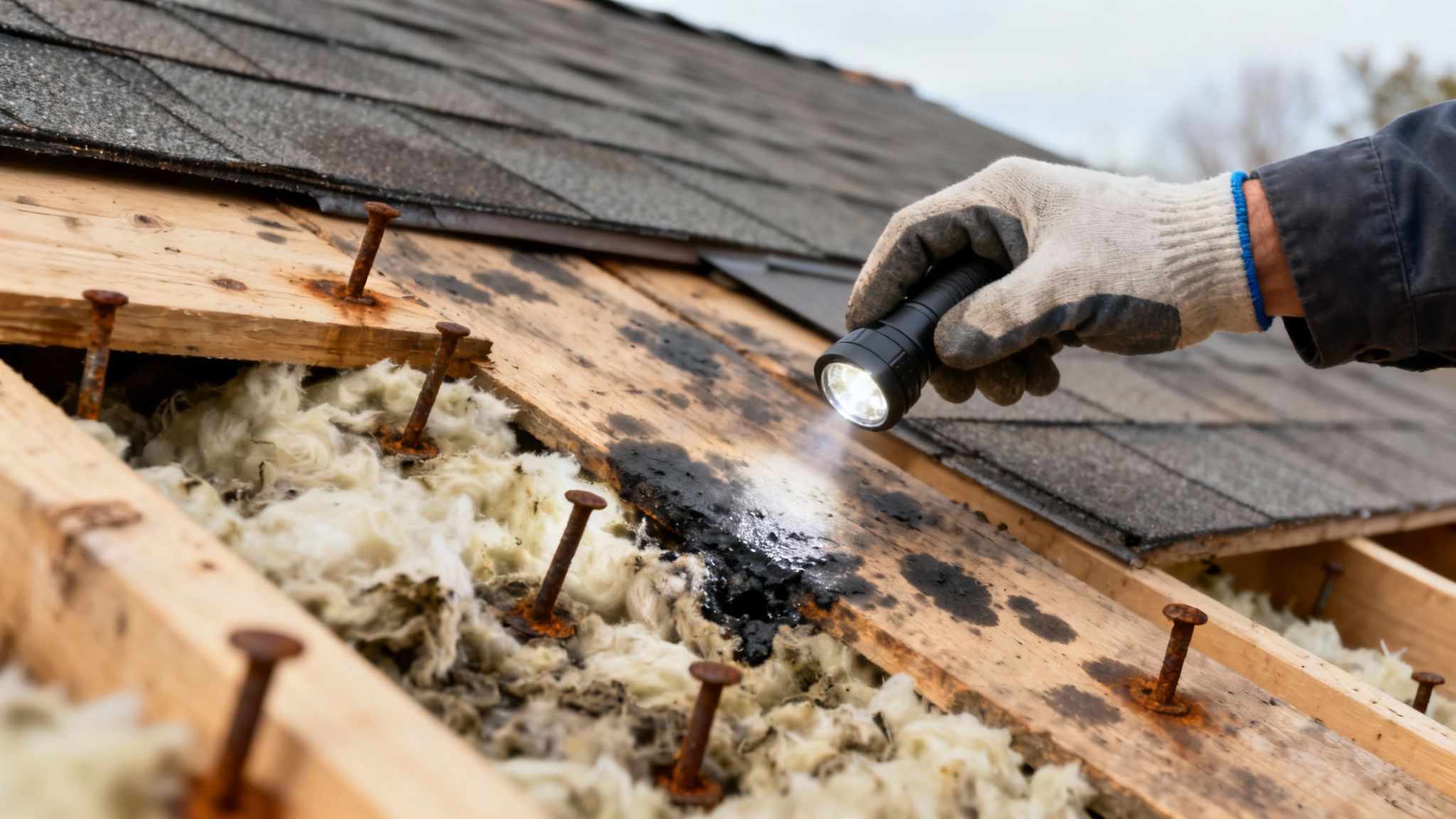
Attics are another major risk area. Poor airflow allows warm, humid air to become trapped, causing condensation on roof decking and framing. Wall cavities can also collect moisture when humid indoor air migrates into cooler spaces and condenses.
Air ducts running through poorly ventilated areas may collect condensation as well, contributing to moisture spread throughout the home.
Why Poor Ventilation Leads to Mold Growth
Mold requires moisture to grow. Poor ventilation creates a steady supply by allowing humidity to remain elevated indoors. Unlike sudden water events, ventilation-related moisture problems persist day after day, giving mold time to establish itself.
Mold often develops in predictable locations, such as bathroom ceilings, behind walls, inside closets, or within duct systems. By the time mold becomes visible, moisture has usually been present for a long time.
Why Surface Cleaning Is Not Enough
Many homeowners try to manage ventilation-related moisture by cleaning visible mold or running fans occasionally. While this may reduce surface symptoms temporarily, it does not address the underlying airflow problem.
If ventilation remains inadequate, humidity levels stay high and moisture continues to accumulate. Mold and material damage often return, sometimes in new areas. Effective moisture control requires identifying where airflow is failing and correcting it.
How Moisture Detection Helps Identify Ventilation Problems
Moisture detection is a key part of understanding ventilation-related issues. Tools such as moisture meters and humidity readings help identify areas where materials have absorbed excess moisture.
In Fort Lauderdale homes, moisture detection often focuses on bathrooms, kitchens, attics, closets, and areas around AC components. Identifying these moisture patterns helps distinguish ventilation problems from leaks or flooding.
AC Systems and Ventilation-Related Moisture
Air conditioning systems play a complex role in moisture control. While they remove humidity from the air, they can also contribute to moisture problems if airflow is restricted or components are not maintained.
Clogged drain lines, poor duct insulation, or uneven airflow can lead to condensation buildup. In homes with poor ventilation, AC systems may struggle to keep humidity balanced, especially during peak summer months.
Inspecting AC systems alongside ventilation issues provides a more complete picture of indoor moisture behavior.
Why Moisture Control Matters Long Term
Unchecked moisture from poor ventilation causes gradual but serious damage. Drywall softens, wood framing weakens, insulation loses effectiveness, and finishes deteriorate. Over time, these issues lead to costly repairs that could have been avoided.
Moisture control also supports healthier indoor conditions by reducing the likelihood of mold growth and persistent odors. Managing humidity is one of the most effective ways to preserve a home’s structure and comfort.
Practical Steps to Improve Moisture Control
Improving moisture control starts with better airflow. Using exhaust fans during and after showers, cooking, and laundry helps remove humid air before it spreads. Ensuring fans vent outdoors rather than into attic spaces is critical.
Maintaining AC systems, keeping filters clean, and ensuring proper airflow throughout the home help regulate humidity. Monitoring indoor humidity levels provides early warning when ventilation is insufficient.
Regular inspections of attics, ceilings, and high-humidity areas allow moisture problems to be addressed early, before damage occurs.
Why Local Experience Matters
Moisture control in Fort Lauderdale requires an understanding of local conditions. Coastal humidity, construction styles, and year-round AC use all influence how ventilation problems develop. Local experience helps identify common trouble spots and effective solutions for Broward County homes.
Pompano Mold Inspection and Testing brings that regional expertise to moisture detection, mold inspection, ventilation-related moisture issues, and water-related services throughout Fort Lauderdale, Lauderdale-by-the-Sea, Pompano Beach, Coconut Creek, Margate, North Lauderdale, and surrounding communities.
A Preventive, Informed Approach
Poor ventilation does not have to lead to long-term damage. Understanding why moisture control matters allows homeowners to take proactive steps that protect their homes. With proper airflow, regular inspection, and early moisture detection, Fort Lauderdale homeowners can reduce humidity-related risks and maintain healthier, more durable living spaces over time.