
Mold Inspection in Lighthouse Point: Costs, Causes, and Solutions
Mold inspection is an important consideration for homeowners in Lighthouse Point, especially in a coastal environment where moisture is part of everyday life. High humidity, salt air, frequent storms, and constant air conditioning use all increase the likelihood of hidden moisture problems. Many homes appear perfectly fine on the surface while mold develops quietly behind walls, above ceilings, or inside duct systems. Understanding what causes mold, what inspections typically cost, and how problems are resolved helps homeowners make informed decisions before small issues become major repairs.
In Lighthouse Point, mold inspection is less about reacting to visible mold and more about identifying moisture conditions early. Homes near the coast face unique risks that make professional inspection especially valuable.
What Mold Inspection Really Involves
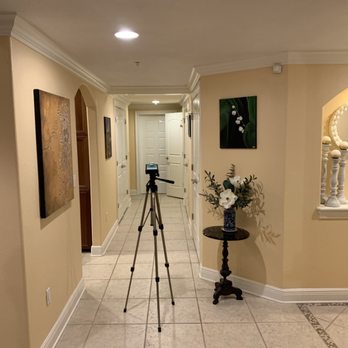
A mold inspection is a detailed evaluation of a home to identify signs of mold growth and the conditions that allow it to develop. The goal is not just to find visible mold, but to locate moisture sources and areas where mold may be growing out of sight.
Inspections typically include a visual assessment of high-risk areas such as bathrooms, kitchens, closets, attics, AC systems, and exterior-facing walls. Moisture detection tools are used to identify damp materials inside walls, ceilings, and floors without unnecessary demolition.
Mold testing may be recommended in some cases, but inspection always comes first. Testing is most useful when guided by inspection findings rather than used as a standalone step.
Why Mold Is Common in Lighthouse Point Homes
Lighthouse Point’s coastal setting plays a major role in mold problems. High humidity levels are present year-round, and salt air accelerates wear on building materials, seals, and HVAC components. This makes it easier for moisture to enter the home and harder for it to dry naturally.
Frequent rain and wind-driven storms increase the risk of water intrusion through roofs, windows, doors, and exterior walls. Even small openings can allow moisture to enter and remain trapped inside wall cavities or insulation.
Air conditioning systems also contribute. In South Florida, AC units run almost constantly. Condensation from clogged drain lines, poorly insulated ducts, or overflowing drain pans can introduce moisture into ceilings, walls, and attics. Similar conditions affect nearby areas like Pompano Beach, Fort Lauderdale, and Lauderdale-by-the-Sea, but coastal exposure often makes the problem more persistent in Lighthouse Point.
Common Causes of Mold in Residential Homes
Mold growth is always tied to moisture. In Lighthouse Point homes, the most common causes include roof leaks, plumbing leaks, AC condensation issues, poor ventilation, and storm-related water intrusion.
Slow plumbing leaks under sinks, behind walls, or beneath slab foundations often go unnoticed for long periods. Even minor leaks can saturate surrounding materials enough to support mold growth.
Poor ventilation is another frequent cause. Bathrooms, kitchens, and laundry areas without proper exhaust allow humidity to linger indoors. Over time, this moisture is absorbed by walls and ceilings, creating ideal conditions for mold.
AC-related moisture problems are especially common in coastal homes. Condensation buildup inside ducts or around air handlers can lead to mold growth that spreads through the air system.
Early Signs That a Mold Inspection May Be Needed
Mold does not always announce itself clearly. One of the earliest warning signs is a persistent musty or earthy odor, especially in closets, bathrooms, or rooms with limited airflow. These smells often indicate hidden moisture or mold growth.
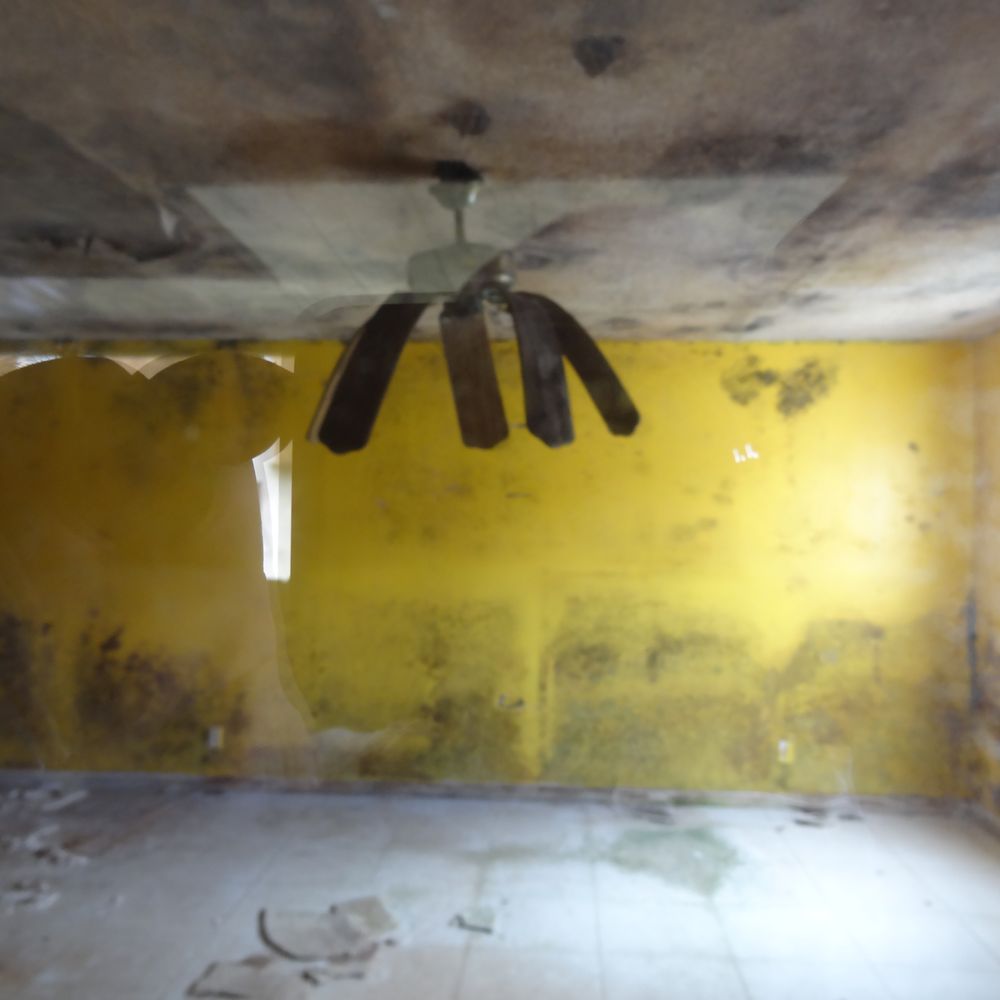
Homeowners may also notice peeling paint, bubbling drywall, or minor discoloration near baseboards or ceilings. Mold spots that return after cleaning are another strong indicator that moisture is still present behind surfaces.
Increased indoor humidity, condensation on vents or windows, and unexplained allergy-like symptoms can also suggest indoor moisture problems that warrant inspection.
Hidden Areas Where Mold Often Develops
Some of the most serious mold growth occurs out of sight. Attics are a common problem area due to roof leaks, poor ventilation, or AC drain line issues. Damp insulation and roof decking can support mold growth without visible signs inside living spaces.
Wall cavities are another major risk. Moisture from plumbing leaks, condensation, or exterior intrusion can remain trapped behind drywall. Mold may spread extensively before becoming visible.
Air ducts and HVAC components are also frequent mold reservoirs in Lighthouse Point homes. Condensation inside ducts or on poorly insulated surfaces allows mold to develop and circulate throughout the home.
Understanding the Costs of Mold Inspection
Mold inspection costs in Lighthouse Point vary depending on the size of the home, the complexity of the inspection, and whether testing is needed. Basic inspections focus on visual assessment and moisture detection, while more detailed inspections may include mold testing or extended moisture evaluation.
Homes with attics, multiple HVAC systems, or known water issues may require more time and tools, which can affect cost. While prices vary, inspection is generally a modest investment compared to the expense of mold remediation or structural repairs caused by undetected moisture.
Early inspection often reduces overall costs by catching problems before they spread or require extensive removal.
Why DIY Mold Checks Are Often Inaccurate
Many homeowners attempt to evaluate mold issues themselves using store-bought testing kits or surface cleaning. While these efforts may identify visible mold, they rarely reveal the full extent of the problem.
Mold often grows behind walls, under flooring, or inside duct systems where DIY tools cannot reach. Testing without understanding moisture behavior can also produce confusing or misleading results.
Professional inspection focuses on identifying the source of moisture first. Without addressing moisture, mold problems almost always return.
How Professional Mold Inspection Leads to Solutions
Mold inspection is not just about identifying a problem. It provides a roadmap for solutions. Once moisture sources and affected areas are identified, appropriate steps can be taken to correct them.
Solutions may include repairing leaks, improving ventilation, addressing AC moisture issues, or drying affected materials. If mold growth is confirmed, remediation can be targeted to specific areas rather than relying on guesswork.
This approach reduces unnecessary disruption and ensures that underlying causes are addressed.
Mold Remediation and Moisture Control
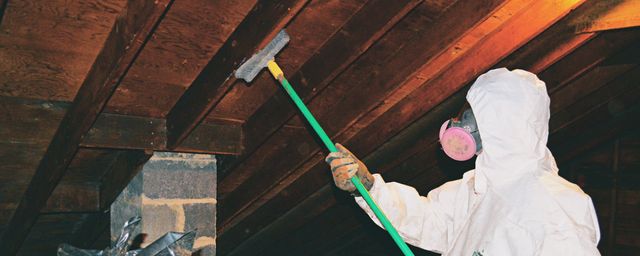
When mold is found, remediation focuses on removing affected materials when necessary and cleaning remaining surfaces using proper methods. Just as important is correcting the moisture source that allowed mold to grow.
Moisture control may involve plumbing repairs, roof repairs, AC maintenance, duct cleaning, or ventilation improvements. Without these steps, mold is likely to return even after thorough cleanup.
Water Damage Repair and Related Services
Mold inspection often overlaps with water damage assessment. Past leaks, storm-related intrusion, or flooding may have left moisture behind that supports mold growth.
Water removal, drying, and repair services help ensure materials are fully dried and restored. Addressing water damage properly is essential for long-term mold prevention.
Why Local Experience Matters
Mold inspection in Lighthouse Point requires an understanding of local conditions. Coastal humidity, salt air, storm patterns, and building styles all influence how moisture behaves inside homes. Local experience helps identify high-risk areas that may be overlooked by generalized inspections.
Pompano Mold Inspection and Testing brings that local knowledge to mold inspection, testing, moisture detection, and water-related services throughout Lighthouse Point, Pompano Beach, Fort Lauderdale, Coconut Creek, Deerfield Beach, Margate, North Lauderdale, and surrounding Broward County communities.
A Practical Way Forward for Homeowners
Mold inspection does not have to be overwhelming or reactive. Understanding the causes, costs, and solutions allows homeowners to take a proactive approach. In a coastal environment like Lighthouse Point, early inspection and moisture awareness are key to protecting the home. With proper evaluation and targeted solutions, mold issues can be addressed before they lead to larger repairs, helping homeowners maintain safer and more durable living spaces over time.