

Mold Inspection in Fort Lauderdale: Step-by-Step Process Explained
Mold inspection is an important step for homeowners in Fort Lauderdale, where high humidity, frequent storms, and year-round air conditioning create ideal conditions for moisture problems. Mold often develops quietly behind walls, above ceilings, or inside duct systems long before it becomes visible. By the time surface mold appears, moisture issues have usually been present for a while. Understanding the step-by-step mold inspection process helps homeowners know what to expect and why each stage matters.
In Fort Lauderdale, mold inspection is not just about finding visible mold. It is about identifying moisture sources, understanding how mold may be spreading, and preventing future damage before it becomes costly.
Why Mold Inspection Is So Important in Fort Lauderdale
Fort Lauderdale’s climate plays a major role in mold problems. High outdoor humidity, heavy seasonal rain, and coastal air make it difficult for moisture to dry naturally. Homes rely heavily on air conditioning, which can introduce condensation issues if systems are not working properly.
Water intrusion from storms, roof leaks, plumbing leaks, and poor ventilation all contribute to hidden moisture. Once moisture becomes trapped inside walls, ceilings, or flooring, mold can begin growing without obvious signs. Mold inspection helps catch these issues early, before they spread throughout the home.
Step One: Initial Visual Assessment
The mold inspection process begins with a visual assessment of the home. This step focuses on identifying areas that are most vulnerable to moisture and mold growth. Inspectors look for staining, discoloration, peeling paint, bubbling drywall, and visible mold growth.
High-risk areas typically include bathrooms, kitchens, laundry rooms, closets, attics, and areas around windows and exterior walls. In Fort Lauderdale homes, special attention is often given to ceilings, AC vents, and areas near air handlers where condensation problems commonly occur.
Even if no visible mold is found, this step provides important clues about where moisture may be present.
Step Two: Identifying Moisture Sources
Mold cannot grow without moisture, so the next step focuses on identifying where moisture is coming from. This may include checking for roof leaks, plumbing leaks, AC condensation issues, or signs of poor ventilation.
In many Fort Lauderdale homes, moisture sources are not obvious. Slow plumbing leaks inside walls, clogged AC drain lines, or humid air trapped in attics can all introduce moisture without visible water. Understanding the source is critical, because mold will return if moisture is not controlled.
This step helps separate mold symptoms from the underlying cause.
Step Three: Moisture Detection and Measurement
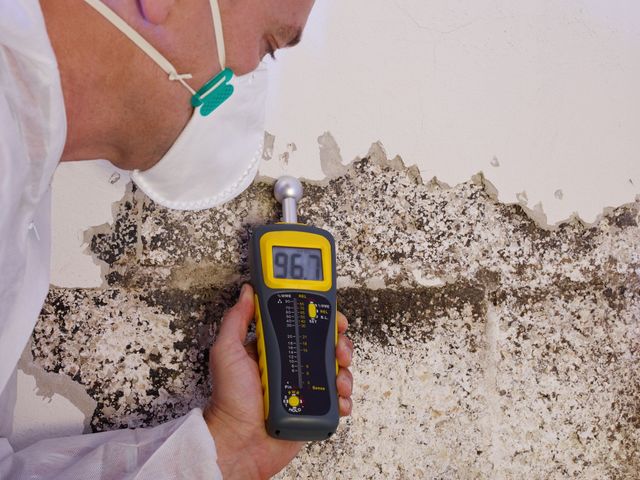
Moisture detection is one of the most important parts of a mold inspection. Specialized tools are used to locate damp materials inside walls, ceilings, floors, and insulation without unnecessary demolition.
Moisture meters measure the moisture content of building materials, while infrared or thermal imaging tools can reveal temperature differences that indicate hidden moisture. In Fort Lauderdale homes, these tools are especially useful for identifying moisture behind drywall, under flooring, and around slab foundations.
Moisture detection often reveals problems that are not visible to the naked eye, helping ensure no areas are overlooked.
Step Four: Inspecting Attics and Crawl Spaces
Attics are a common trouble area for mold in South Florida homes. Poor ventilation, roof leaks, and AC drain line issues allow moisture to accumulate above living spaces. During inspection, attic insulation, roof decking, and framing are checked for signs of moisture and mold growth.
In homes with limited attic ventilation, humid air can become trapped, leading to condensation on structural surfaces. Even when living spaces appear dry, attic mold can develop and spread unnoticed.
Crawl spaces, when present, are also inspected for moisture intrusion and poor airflow that can support mold growth.
Step Five: Evaluating HVAC Systems and Ductwork
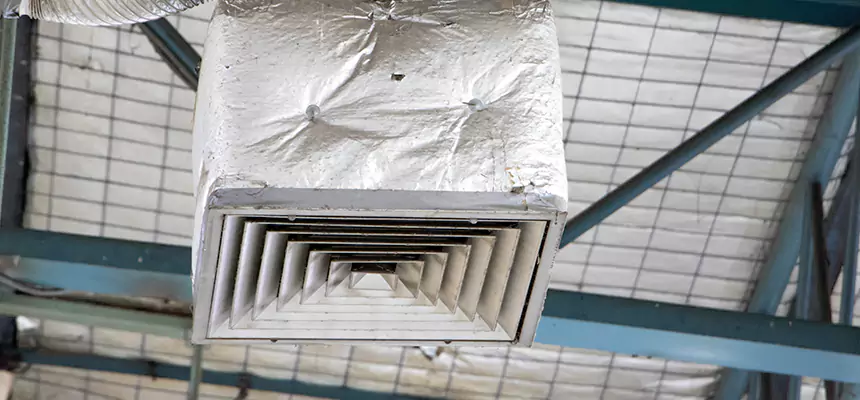
Air conditioning systems play a major role in mold problems in Fort Lauderdale. Inspecting HVAC components is a key step in the mold inspection process. Inspectors examine air handlers, drain pans, condensate lines, and surrounding areas for signs of leaks or overflow.
Ductwork is also evaluated, especially if ducts run through attics or wall cavities. Condensation inside ducts or on damaged insulation can introduce moisture into the air system and spread mold particles throughout the home.
Addressing HVAC-related moisture issues is often essential for long-term mold prevention.
Step Six: Deciding Whether Mold Testing Is Needed
Mold testing is not always required, but it can be helpful in certain situations. Testing may be recommended when mold is suspected but not visible, when moisture exposure was prolonged, or when confirmation is needed to guide remediation decisions.
Testing is most effective when guided by inspection findings rather than used alone. Air samples or surface samples may be collected to confirm the presence of mold in specific areas.
In Fort Lauderdale homes, testing is often used to support inspection results rather than replace them.
Step Seven: Interpreting Findings and Explaining Results
After inspection and moisture detection are complete, findings are reviewed and explained clearly. This includes identifying where mold is present or likely to develop, what moisture sources are contributing, and which areas are most affected.
This step helps homeowners understand the scope of the problem without unnecessary alarm. Clear explanations allow property owners to make informed decisions about next steps.
In many cases, homeowners are relieved to learn that early inspection has prevented a larger issue.
Step Eight: Planning Mold Remediation When Needed
If mold is confirmed, inspection results guide the remediation process. Proper remediation focuses on removing affected materials when necessary, cleaning remaining surfaces, and correcting moisture sources.
Remediation plans are tailored to the specific areas affected rather than applying a one-size-fits-all approach. This targeted strategy helps reduce disruption and ensures long-term results.
Moisture control is always part of the plan. Without correcting leaks, condensation, or ventilation problems, mold is likely to return.
Step Nine: Water Damage Repair and Drying
Mold inspection often reveals past or ongoing water damage. In these cases, water removal, drying, and repair services may be necessary before or during remediation.
Drying affected materials thoroughly is essential in Fort Lauderdale’s humid climate. Moisture left behind after repairs can quickly lead to recurring mold problems.
Water damage repair ensures the home is restored safely and that new materials are installed in dry conditions.
Step Ten: Preventive Recommendations for Homeowners
The final step in the mold inspection process focuses on prevention. Homeowners are advised on practical steps to reduce moisture risks, such as maintaining AC systems, improving ventilation, addressing leaks promptly, and monitoring indoor humidity.
Regular inspections, especially after storms or plumbing issues, help catch problems early. In Fort Lauderdale homes, prevention is often more effective than reactive cleanup.
Why Local Experience Matters
Mold inspection in Fort Lauderdale requires an understanding of local conditions. Coastal humidity, storm patterns, construction styles, and HVAC demands all influence how moisture behaves inside homes. Local experience helps inspectors identify common problem areas that may be missed otherwise.
Pompano Mold Inspection and Testing brings that local expertise to mold inspection, mold testing, moisture detection, and water-related services throughout Fort Lauderdale, Pompano Beach, Lighthouse Point, Lauderdale-by-the-Sea, Coconut Creek, Deerfield Beach, Margate, North Lauderdale, and surrounding Broward County communities.
A Clear and Practical Process
Mold inspection does not have to be confusing or overwhelming. A step-by-step approach helps homeowners understand what is happening inside their homes and why each stage matters. In Fort Lauderdale’s humid environment, early and thorough inspection is one of the most effective ways to prevent mold damage, protect building materials, and maintain a healthier indoor space over time.