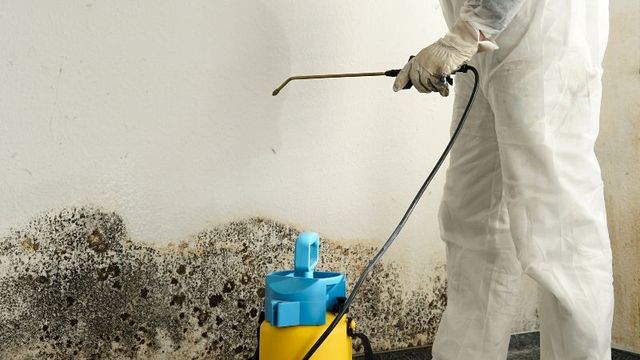
Roof leaks in Fort Lauderdale homes often go unnoticed until water accumulates in ceilings, walls, or attics. Persistent moisture creates ideal conditions for black mold (Stachybotrys chartarum), which can damage structural materials, produce musty odors, and affect indoor air quality. Professional black mold removal ensures that mold is safely and thoroughly eliminated while preventing further water-related damage.
Homeowners, landlords, and property managers in Fort Lauderdale and nearby areas—including Pompano Beach, Lighthouse Point, Deerfield Beach, Margate, Coconut Creek, North Lauderdale, and Lauderdale-by-the-Sea—benefit from understanding how black mold develops after roof leaks and why professional removal is essential.
What Black Mold Is
Black mold is a type of fungus that thrives in damp, humid environments. It typically appears as dark green, black, or brown patches and can grow on:
- Ceilings and walls affected by roof leaks
- Attics or crawl spaces with poor ventilation
- Wood framing, drywall, and insulation
- Around HVAC ducts or AC drip pans
- Behind cabinets or flooring where water has accumulated
While some mold is visible, it often grows hidden within structures, making professional inspection critical.
How Roof Leaks Cause Mold Growth
Roof leaks introduce moisture into a home, leading to conditions conducive to mold:
- Water Penetration – Damaged shingles, flashing, or gutters allow rainwater inside
- Persistent Dampness – Saturated drywall, insulation, or wood provides a breeding ground for mold
- High Humidity – Florida’s coastal climate exacerbates moisture retention
- Poor Ventilation – Trapped moisture in attics and wall cavities promotes microbial growth
- Neglected Maintenance – Delayed roof repairs increase the risk of mold development
Even minor leaks, if left unaddressed, can result in widespread black mold growth.
Early Signs Homeowners Should Watch For
Early detection of mold prevents further damage. Key signs include:
- Musty or earthy odors near roof leaks or damp areas
- Dark stains or black spots on ceilings, walls, or attic surfaces
- Water stains or peeling paint on ceilings or walls
- Warped or soft wood flooring near leak areas
- Visible mold around vents, insulation, or roofing penetrations
Prompt attention is essential to prevent hidden mold from spreading.
Hidden Areas Where Black Mold Often Develops
Black mold often grows in concealed locations where moisture lingers:
- Behind drywall or paneling affected by leaks
- Under insulation in attics or crawl spaces
- Inside HVAC ducts and drip pans
- Around roof framing and sheathing
- Beneath flooring near leak points
Professional mold inspection and testing are necessary to identify and remediate these hidden areas.
Why DIY Mold Removal Often Fails
Attempting to remove black mold without expertise can be ineffective and unsafe:
- Hidden mold may remain, allowing spores to spread
- Improper cleaning can release mold spores into the air
- DIY methods may damage structural components or surfaces
- Specialized equipment, containment, and antimicrobial treatments are required
Professional removal ensures thorough and safe remediation.
Professional Black Mold Removal Process
The professional removal process typically includes:
- Inspection and Assessment – Identify visible and hidden mold and moisture sources
- Containment – Isolate affected areas to prevent spore spread
- Air Filtration – Use HEPA filters and negative air machines to clean indoor air
- Mold Removal and Cleaning – Remove contaminated materials and clean affected surfaces
- Sanitization and Treatment – Apply antimicrobial treatments to prevent regrowth
- Moisture Control and Repairs – Fix roof leaks, improve ventilation, and prevent future water accumulation
- Final Inspection – Confirm the home is mold-free and safe for occupancy
Local experts like Pompano Mold Inspection and Testing specialize in black mold removal for Fort Lauderdale homes after roof leaks.
Preventive Measures for Homeowners
After remediation, homeowners can reduce the risk of future black mold issues:
- Inspect and repair roofs, gutters, and flashing regularly
- Ensure proper attic and crawl space ventilation
- Maintain AC condensate lines and HVAC systems
- Address water intrusion immediately after storms or leaks
- Schedule periodic professional mold inspections
Preventive measures protect indoor air quality and structural integrity.
Benefits of Professional Black Mold Removal
Professional removal provides multiple advantages:
- Safely eliminates visible and hidden mold
- Prevents further contamination and structural damage
- Improves indoor air quality and occupant comfort
- Protects walls, flooring, insulation, and HVAC systems
- Offers peace of mind with expert assessment and follow-up guidance
Timely professional removal prevents costly long-term damage.
Why Local Expertise Matters
Black mold growth in Fort Lauderdale homes is influenced by coastal humidity, storm exposure, and local construction practices. Professionals familiar with Fort Lauderdale, Pompano Beach, Lighthouse Point, Deerfield Beach, Margate, Coconut Creek, North Lauderdale, and Lauderdale-by-the-Sea understand common problem areas and effective removal strategies.
Local expertise ensures inspections, removal, and preventive guidance are tailored to South Florida homes and environmental conditions.
A Calm, Practical Next Step for Homeowners
Black mold removal is essential for protecting Fort Lauderdale homes from hidden water damage, structural deterioration, and indoor air quality issues. Professional inspection, removal, and moisture control provide homeowners with safe, effective solutions.
Working with a trusted local provider like Pompano Mold Inspection and Testing ensures comprehensive black mold removal and long-term protection in South Florida’s humid, coastal environment.