

Fort Lauderdale Mold Inspection after Flooding: Inspection and Repair Guide
Flooding is one of the most common triggers for mold problems in Fort Lauderdale homes. Heavy rain, storm surge, overwhelmed drainage systems, and rising groundwater can all introduce moisture into a property in a short amount of time. Even when floodwater is removed quickly, moisture often remains trapped inside walls, floors, and ceilings. In South Florida’s humid climate, that lingering moisture creates ideal conditions for mold growth. Mold inspection after flooding helps homeowners understand what is happening inside the home and what repairs are truly needed.
In Fort Lauderdale, mold inspection after flooding is not just a precaution. It is a practical step that helps prevent long-term damage and repeated moisture-related problems.
What Flood-Related Mold Problems Look Like
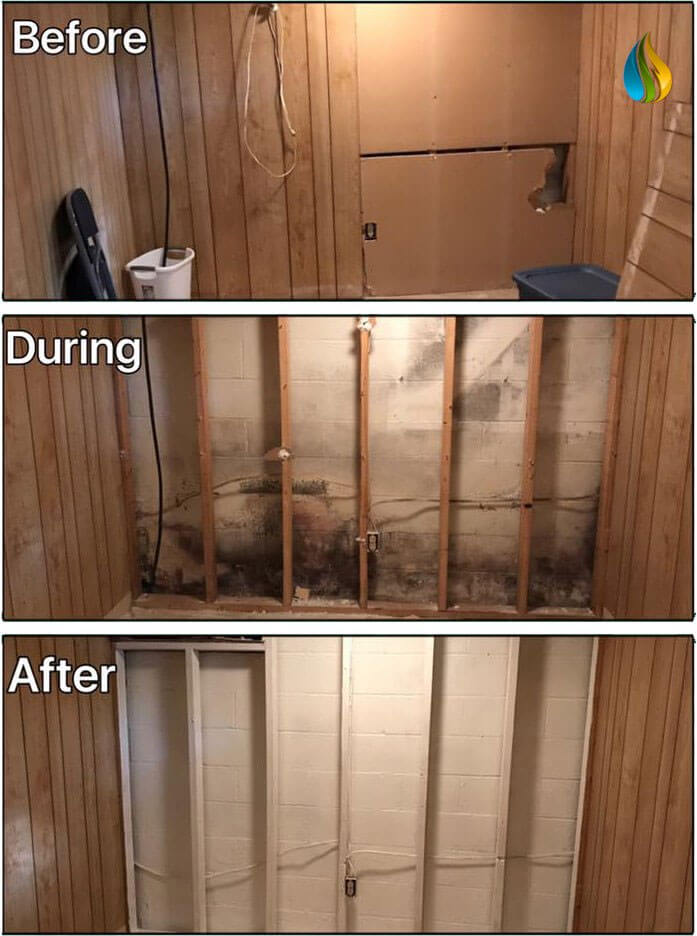
Mold caused by flooding does not always appear as visible growth right away. In many homes, mold begins developing behind drywall, under flooring, or inside insulation days or weeks after floodwater has receded.
Floodwater often spreads unevenly. Some rooms may dry quickly, while others remain damp beneath surfaces. Materials such as drywall, wood framing, carpet padding, and insulation absorb moisture easily. Once moisture is trapped, mold growth can begin quietly out of sight.
By the time surface mold is visible, moisture exposure has usually been present long enough to affect multiple areas of the home.
Why Flooding Leads to Mold So Quickly in Fort Lauderdale
Fort Lauderdale’s climate makes flood-related mold issues more severe. High humidity slows evaporation and keeps materials damp longer. Warm temperatures accelerate mold growth once moisture is present.
Many homes are built on slab foundations. After flooding, slabs can hold moisture and release it slowly into lower walls and flooring. Wind-driven rain during storms can also force water into wall cavities and attic spaces without obvious signs.
Nearby areas like Lauderdale-by-the-Sea, Pompano Beach, and Lighthouse Point face similar risks, but dense development and flat terrain often make flooding harder to manage in Fort Lauderdale neighborhoods.
Early Signs Mold Inspection Is Needed after Flooding
Some warning signs appear shortly after flooding, while others develop gradually. A persistent musty or damp odor is often the first indicator that moisture remains inside the home.
Homeowners may notice discoloration on walls or ceilings, peeling paint, bubbling drywall, or warped baseboards. Increased indoor humidity, condensation on vents, or rooms feeling damp even with the AC running are also red flags.
These signs suggest that moisture has not dried properly and mold inspection is warranted.
Hidden Mold Growth in Walls and Floors
One of the biggest risks after flooding is hidden mold growth. Water can seep behind drywall and remain there long after surfaces appear dry. Insulation inside walls can stay damp for extended periods, providing an ideal environment for mold.
Floors are another common problem area. Moisture can collect under tile, laminate, or carpet padding. In slab foundation homes, moisture may wick upward from saturated concrete.
Because these areas are not visible, mold can spread unnoticed without proper inspection and moisture detection.
What Mold Inspection after Flooding Involves
Mold inspection after flooding is a step-by-step process focused on identifying moisture and mold-related risks. The inspection begins with a visual assessment of flood-affected areas and adjacent rooms where moisture may have traveled.
Moisture detection tools are then used to measure moisture levels inside walls, floors, ceilings, and insulation. These tools help locate damp materials without unnecessary demolition.
Inspection also includes checking attics, HVAC systems, and ductwork, as flood-related moisture and high humidity can affect these areas as well.
Why Moisture Detection Is Critical
Moisture detection is one of the most important parts of post-flood mold inspection. Visual inspection alone cannot identify moisture trapped behind surfaces.
Moisture meters and thermal imaging help pinpoint damp areas that need drying or repair. In Fort Lauderdale homes, moisture detection often reveals problems that would otherwise remain hidden until mold growth becomes visible.
By identifying moisture early, homeowners can address issues before mold spreads further.
When Mold Testing May Be Recommended
Mold testing is not always required, but it may be useful after flooding in certain situations. Testing can help confirm mold presence when growth is suspected but not visible, or when documentation is needed to guide remediation decisions.
Testing is most effective when guided by inspection findings. Random testing without understanding moisture patterns often leads to confusing results.
In flood-related cases, inspection and moisture detection always come first.
Mold Inspection Findings and Repair Planning
Once inspection is complete, findings are reviewed to determine the extent of moisture and potential mold growth. This information guides repair decisions and helps prioritize affected areas.
Some materials may be salvageable with proper drying, while others may need to be removed and replaced. Inspection results help avoid unnecessary demolition while ensuring all affected areas are addressed.
Clear repair planning reduces the risk of recurring mold problems.
Mold Removal and Remediation after Flooding
If mold is confirmed, remediation focuses on removing affected materials and cleaning remaining surfaces appropriately. Flood-related mold remediation often includes removing sections of drywall, insulation, flooring, or carpet padding that cannot be dried safely.
Just as important as removal is correcting the moisture source. Drying materials thoroughly and addressing vulnerabilities that allowed water intrusion are essential for long-term success.
Without moisture control, mold removal efforts are unlikely to hold.
Water Damage Repair and Mold Prevention
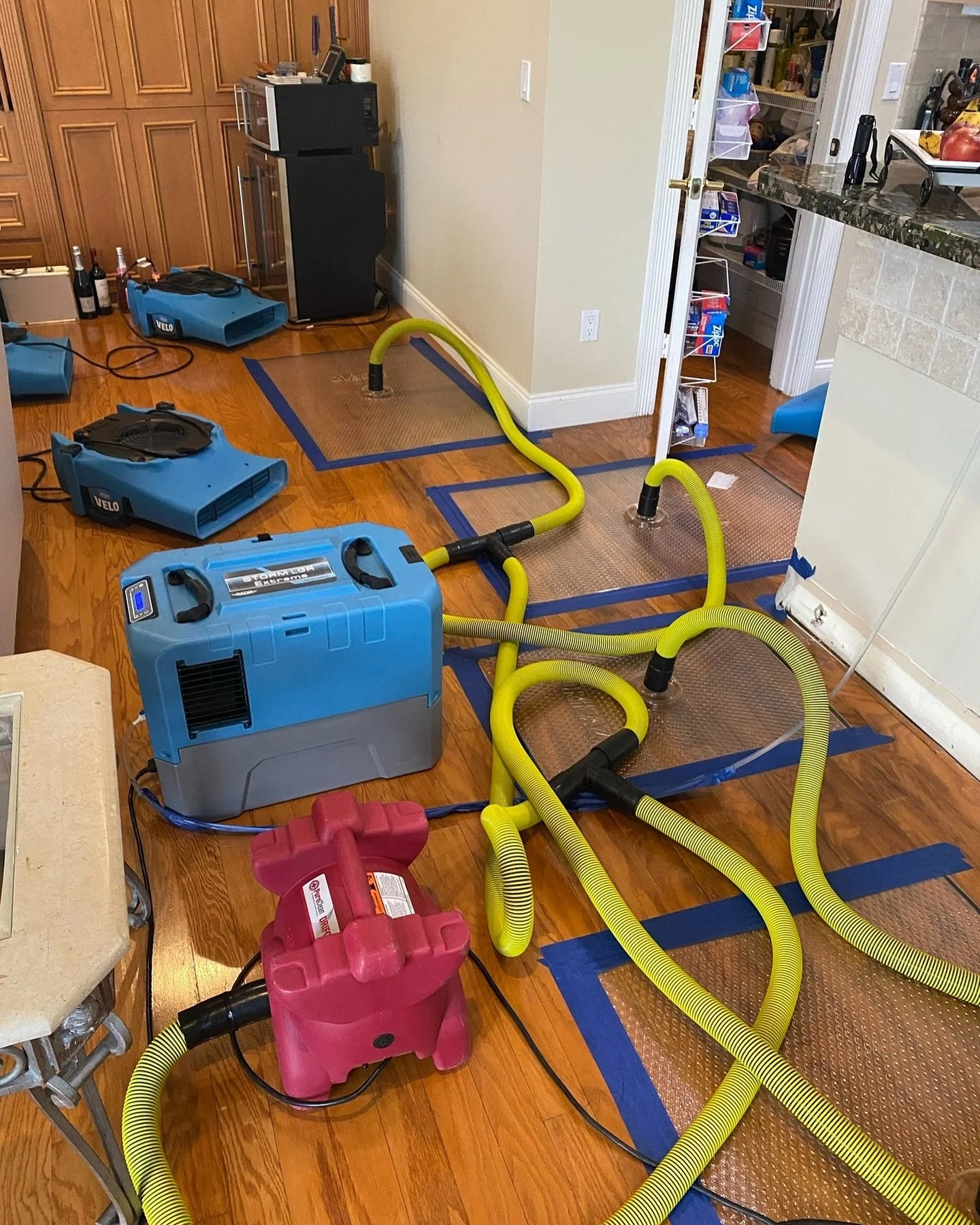
Mold inspection after flooding is closely tied to water damage repair. Flood restoration includes water removal, drying, and repairing damaged materials.
Drying must be completed before repairs begin. Installing new materials over damp surfaces traps moisture and almost guarantees future mold growth.
Proper sequencing of inspection, drying, remediation, and repair helps ensure the home recovers fully.
HVAC Systems and Post-Flood Mold Risk
Air conditioning systems can contribute to mold problems after flooding. High humidity, clogged drain lines, and duct moisture often worsen after storm events.
Inspecting HVAC components and ductwork is an important part of post-flood mold inspection. Moisture inside ducts or around air handlers can spread mold spores throughout the home.
Addressing these issues supports healthier indoor conditions during recovery.
Preventing Mold after Future Flooding
Prevention begins with understanding how floodwater entered the home. Improving drainage, sealing exterior openings, and maintaining roofs reduce water intrusion risk.
After flooding or heavy storms, early inspection and moisture detection allow problems to be addressed before mold develops. Monitoring indoor humidity and maintaining AC systems also help reduce moisture buildup.
In Fort Lauderdale’s climate, proactive moisture management is key to mold prevention.
Why Local Experience Matters
Mold inspection after flooding in Fort Lauderdale requires local knowledge. Florida’s rainfall patterns, humidity, and construction styles all influence how moisture behaves inside homes. Local experience helps identify high-risk areas and apply effective inspection and repair strategies.
Pompano Mold Inspection and Testing brings that local expertise to mold inspection, moisture detection, mold remediation, and water damage services throughout Fort Lauderdale, Pompano Beach, Lauderdale-by-the-Sea, Lighthouse Point, Coconut Creek, Deerfield Beach, Margate, North Lauderdale, and surrounding Broward County communities.
A Smarter Path after Flooding
Flooding can leave behind more than visible water damage. Hidden moisture and mold risks often linger long after cleanup. Mold inspection after flooding helps Fort Lauderdale homeowners understand the true condition of their homes and take informed steps toward repair. With proper inspection, targeted repairs, and moisture control, homes can recover safely and avoid recurring mold problems in the future.