

Why Water Testing Matters in Coconut Creek after Plumbing Leaks
Plumbing leaks are one of the most common sources of water damage in Coconut Creek homes. While some leaks are obvious, such as a burst pipe or overflowing fixture, many develop slowly and remain hidden for long periods. In South Florida’s humid climate, even small plumbing leaks can create ongoing moisture problems that are easy to overlook. Water testing plays an important role in understanding the true impact of plumbing leaks and preventing long-term damage that may not be visible right away.
For homeowners in Coconut Creek, water testing after plumbing leaks is not about overreacting. It is about confirming whether moisture has spread, whether water quality or contamination is a concern, and whether repairs have truly resolved the problem.
How Plumbing Leaks Commonly Affect Coconut Creek Homes
Plumbing leaks in residential homes often occur in places that are out of sight. Leaks under sinks, behind walls, beneath slab foundations, or inside ceilings can go unnoticed for weeks or even months.
In Coconut Creek homes, slab foundations are common. When plumbing lines run beneath the slab, leaks can allow water to seep into surrounding materials and migrate upward into floors and lower walls. This moisture often spreads beyond the original leak location.
High humidity slows evaporation, allowing moisture from plumbing leaks to remain trapped inside building materials long after the leak itself is repaired.
Why Plumbing Leaks Are Riskier in South Florida
In drier climates, minor plumbing leaks may dry more quickly. In South Florida, high humidity keeps materials damp and prevents natural drying.
Even after a leak is fixed, moisture can remain inside drywall, insulation, cabinets, and flooring. Over time, this lingering moisture weakens materials and increases the risk of mold growth.
Homes in nearby areas such as Margate, North Lauderdale, and Pompano Beach face similar challenges, but Coconut Creek’s dense residential layout and slab construction make hidden moisture especially common after plumbing leaks.
What Water Testing Really Means after a Plumbing Leak
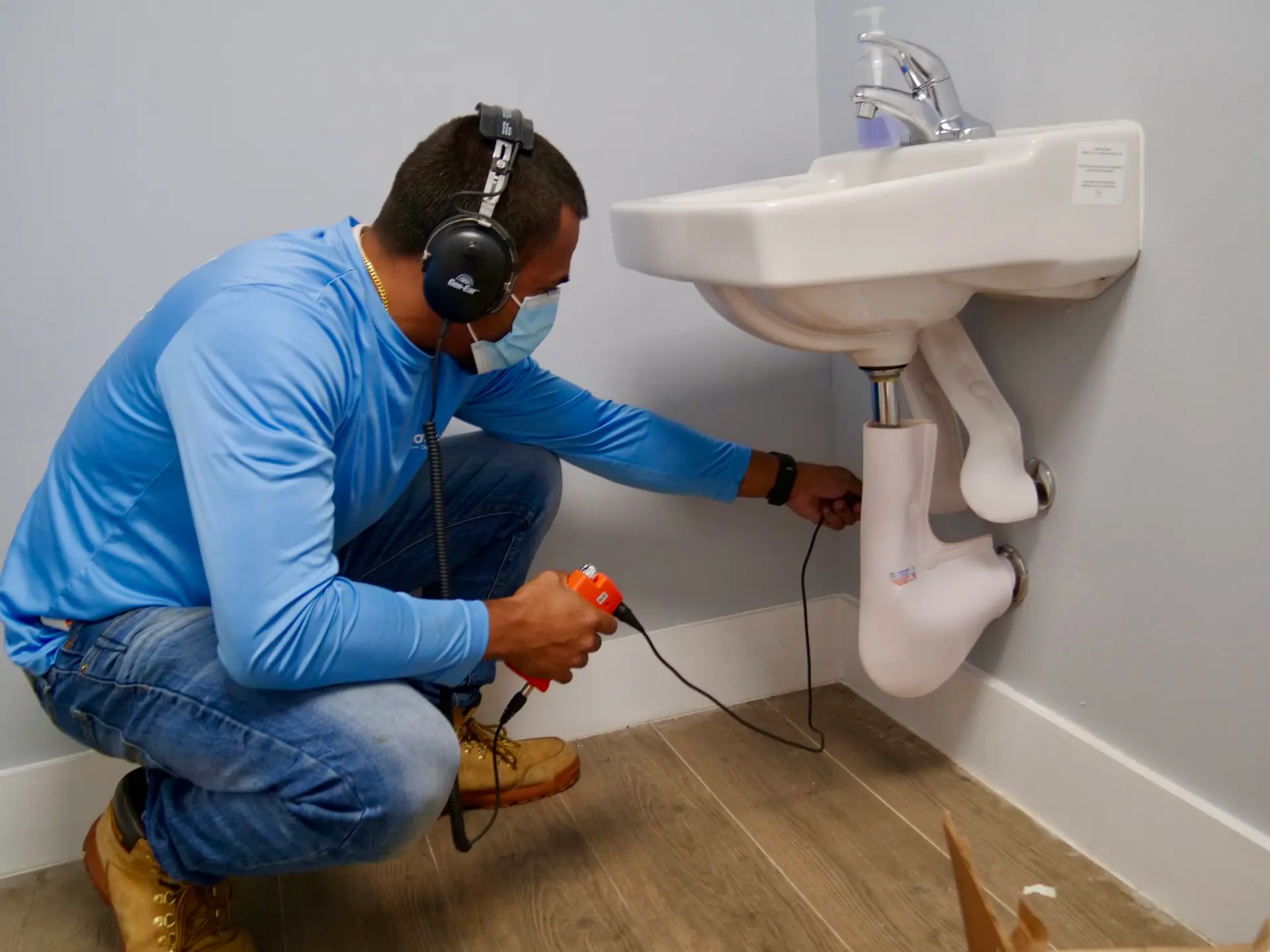
Water testing after plumbing leaks is often misunderstood. It is not only about testing the water itself, but about evaluating the impact of water intrusion on the home.
Water testing may involve checking for contaminants in affected water sources, especially when leaks involve wastewater lines or unknown sources. It can also support moisture-related assessments by confirming whether water exposure may have introduced unwanted substances into building materials.
When combined with inspection and moisture detection, water testing helps provide a clearer picture of what the home has been exposed to.
When Water Testing Is Most Important
Water testing is especially important after certain types of plumbing leaks. Leaks involving drain lines, sewer lines, or mixed water sources may introduce contaminants that should not remain inside the home.
Testing can also be helpful when leaks are discovered late and moisture exposure has been prolonged. In these cases, homeowners often want confirmation that affected areas have been properly addressed before repairs are completed.
In rental or multi-unit properties, water testing may also provide documentation to support repair decisions and protect property owners from ongoing issues.
Hidden Damage Plumbing Leaks Can Cause
Plumbing leaks rarely stay contained. Water often travels along framing, behind cabinets, and beneath flooring before becoming visible.
Cabinet bases, toe kicks, and drywall behind sinks are common problem areas. Bathrooms, kitchens, and laundry rooms often show damage only after materials have absorbed moisture for some time.
Without proper evaluation, these hidden areas may remain damp even after surface repairs, leading to recurring damage and odors.
Connection Between Plumbing Leaks and Mold Growth
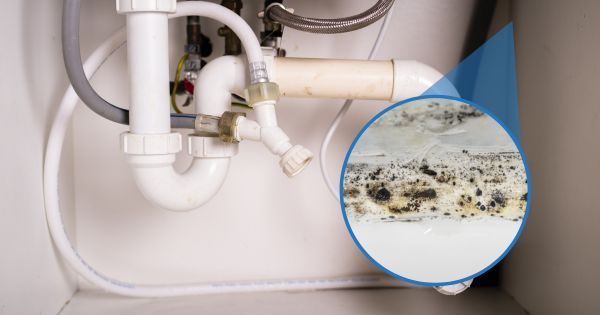
Mold requires moisture to grow, and plumbing leaks provide a steady source when left unaddressed. Mold often begins growing inside wall cavities or beneath flooring, where it is not immediately visible.
Water testing alone does not identify mold, but it supports a broader assessment by clarifying the nature of water exposure. When combined with moisture detection and mold inspection, testing helps determine whether mold-related risks should be addressed.
In Coconut Creek homes, early evaluation after plumbing leaks significantly reduces the likelihood of mold problems developing later.
Why Visual Inspection Alone Is Not Enough
Many homeowners rely on visual inspection after plumbing repairs. While this may confirm that a leak has stopped, it does not reveal what happened to moisture behind surfaces.
Walls and floors can look dry while still holding moisture inside. Cabinets may appear intact while their bases remain damp underneath.
Water testing and moisture detection provide objective information that visual inspection alone cannot, helping ensure repairs are complete rather than cosmetic.
How Water Testing Supports Proper Repairs
One of the biggest benefits of water testing is confidence. Testing helps confirm whether affected areas are safe to repair or rebuild.
Installing new drywall, cabinets, or flooring over damp materials traps moisture and often leads to recurring damage. Testing and moisture evaluation help ensure materials have returned to acceptable conditions before repairs begin.
This step reduces the risk of having to redo work later.
Water Testing and Water Damage Repair
Water testing often works alongside water damage repair. After a plumbing leak, water removal, drying, and repair are usually needed.
Testing helps determine whether additional cleaning or material removal is necessary, particularly when leaks involve contaminated water. It also supports decisions about which materials can be salvaged and which should be replaced.
Together, these steps provide a more complete recovery after plumbing leaks.
Preventing Future Problems after Plumbing Leaks
Preventing future issues starts with understanding how the leak occurred. Aging pipes, poor connections, or pressure issues may need attention.
After repairs, monitoring moisture levels in previously affected areas helps ensure problems do not return. Regular inspections of plumbing fixtures, cabinets, and high-risk areas provide early warning of new leaks.
In Coconut Creek’s climate, proactive moisture management is one of the most effective ways to avoid repeated water damage.
Why Local Experience Matters
Water testing after plumbing leaks in Coconut Creek requires local knowledge. Florida’s humidity, construction styles, and plumbing layouts all influence how water behaves inside homes. Local experience helps interpret testing results accurately and apply appropriate solutions.
Pompano Mold Inspection and Testing brings that local expertise to water testing, moisture detection, mold inspection, and water damage services throughout Coconut Creek, Margate, North Lauderdale, Pompano Beach, Fort Lauderdale, Lighthouse Point, Deerfield Beach, and surrounding Broward County communities.
A Smart Step after Plumbing Leaks
Plumbing leaks are not always simple or isolated events. Water testing helps homeowners in Coconut Creek understand the full impact of leaks and confirm that repairs have truly resolved the issue. By combining testing with inspection and moisture control, homeowners can protect their properties, prevent recurring damage, and move forward with confidence after plumbing-related water problems.