
Why Mold Inspection Matters in Lauderdale-by-the-Sea During the Rainy Season
Living in Lauderdale-by-the-Sea means coastal views, ocean air, and a relaxed pace of life. But when the rainy season arrives, that same coastal environment brings a different reality for homeowners: persistent moisture. During months of heavy rain and high humidity, mold risks increase significantly, especially in residential homes near the coast.
Mold inspection during the rainy season isn’t about overreacting to weather. It’s about understanding how water behaves in coastal homes and identifying problems early, before moisture turns into long-term damage. In Lauderdale-by-the-Sea, timely mold inspections can make the difference between a manageable issue and a costly repair.
What Mold Inspection Actually Involves
Mold inspection is a diagnostic process, not just a visual check. It focuses on identifying moisture conditions, potential mold growth, and areas at risk during wet weather.
In residential homes, mold inspection typically includes:
- Visual assessment of high-risk areas
- Moisture detection inside walls, ceilings, and floors
- Evaluation of ventilation and airflow
- Inspection of AC systems and ductwork
- Mold testing when conditions warrant it
The goal is to understand whether mold is present or likely to develop, especially during extended rainy periods.
Why the Rainy Season Raises Mold Risk in Lauderdale-by-the-Sea
Lauderdale-by-the-Sea experiences prolonged rainy seasons that keep humidity levels elevated for weeks at a time. Even homes without obvious leaks can struggle to stay dry under these conditions.
Local factors that increase mold risk include:
- Frequent heavy rain and storm systems
- Wind-driven rain affecting windows and roofs
- Coastal humidity that lingers indoors
- AC systems working overtime and producing condensation
- Flat terrain that slows drainage
During the rainy season, moisture doesn’t always dry out between storms, creating ideal conditions for mold growth.
Common Signs Homeowners Notice During Wet Months
Rainy season mold issues often show subtle signs that homeowners may initially dismiss as temporary or weather-related.
Common indicators include:
- Musty odors after periods of rain
- Damp or clammy indoor air
- Water stains that darken during storms
- Peeling paint near windows or ceilings
- AC vents showing condensation
These signs often point to moisture intrusion that deserves closer inspection.
Hidden Mold Sources Activated by Rain
One reason mold inspection matters so much during the rainy season is that water often enters areas homeowners never see.
In Lauderdale-by-the-Sea homes, inspections frequently uncover moisture or mold in:
- Wall cavities near windows and doors
- Attics with wind-driven rain intrusion
- Ceiling spaces beneath flat or low-slope roofs
- Behind bathroom and kitchen walls
- Inside AC air handlers and duct systems
Without professional inspection tools, these areas can remain damp throughout the rainy season.
Why Waiting Until Mold Is Visible Is Risky
Visible mold usually means the problem has been active for some time. During the rainy season, moisture exposure can accelerate mold growth quickly.
Waiting often leads to:
- Larger affected areas
- Increased material damage
- More complex remediation needs
- Ongoing indoor air quality issues
Mold inspection helps catch problems while they’re still manageable.
Professional Mold Inspection and Testing Explained
A professional inspection during the rainy season focuses heavily on moisture behavior. Inspectors look for active water intrusion as well as lingering dampness from previous storms.
In coastal homes, inspections often involve:
- Moisture mapping after rainfall
- AC condensation evaluation
- Attic and roof transition checks
- Targeted mold testing when moisture is confirmed
This approach helps distinguish between temporary dampness and conditions that support mold growth.
Local companies such as Pompano Mold Inspection and Testing take a measured, inspection-first approach to avoid assumptions and unnecessary disruption.
How Mold Inspection Supports Proper Remediation
When mold is identified early, remediation is more precise and less invasive. Mold inspection ensures remediation efforts focus only on affected areas and address the moisture source correctly.
Effective remediation relies on:
- Accurate identification of affected materials
- Moisture source correction
- Proper containment during removal
- Verification that conditions are dry afterward
Inspection data guides every step of this process.
The Role of Flooding and Water Intrusion
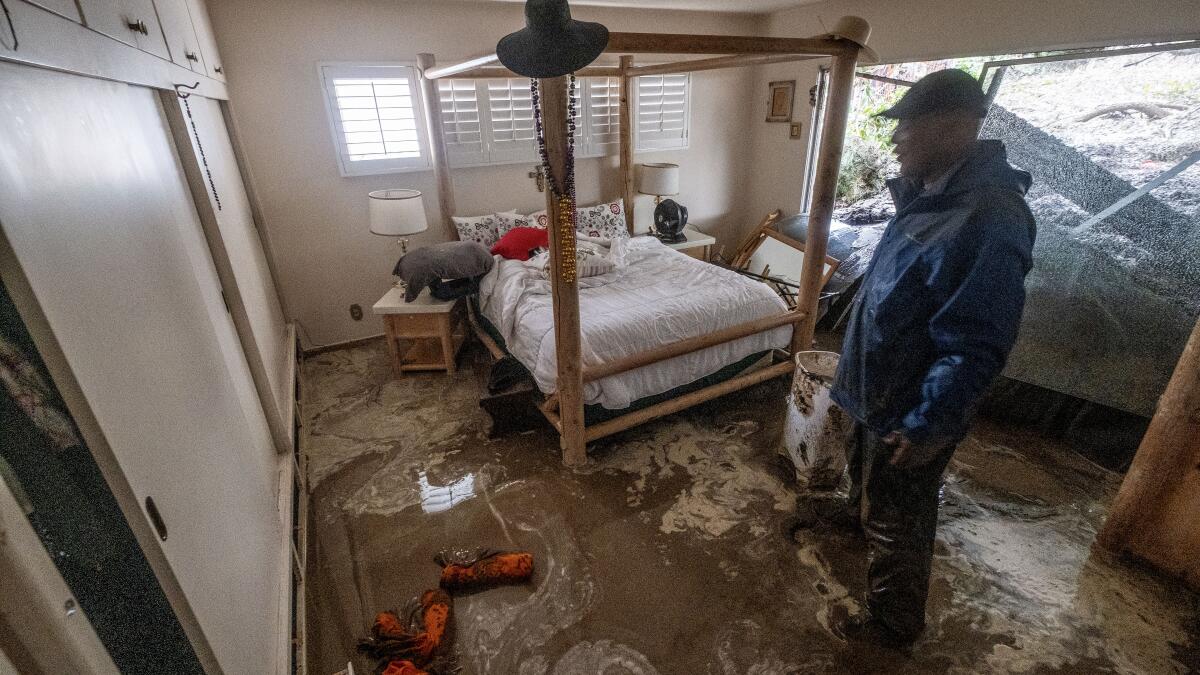
During the rainy season, even small flooding events or repeated water intrusion can contribute to mold risk. Minor leaks, poor drainage, or roof issues may not cause obvious flooding but can still saturate building materials.
Mold inspection often overlaps with flood restoration and water damage assessments, ensuring no hidden moisture remains after storms.
AC Systems, Ducts, and Rainy Season Mold
Air conditioning systems are especially vulnerable during the rainy season. High humidity increases condensation inside air handlers and ductwork.
If moisture isn’t properly drained or ducts aren’t well insulated, mold can develop inside the system. Once present, spores may circulate throughout the home.
Mold inspection during wet months often includes duct and AC moisture evaluation to catch problems early.
Preventing Mold During the Rainy Season
While inspections are important, prevention plays a major role in reducing mold risk. Homeowners in Lauderdale-by-the-Sea can help by:
- Keeping indoor humidity under control
- Addressing leaks promptly
- Ensuring proper attic and bathroom ventilation
- Maintaining AC systems regularly
- Monitoring areas prone to water intrusion
Routine inspections during rainy months provide reassurance that prevention efforts are working.
Why Local Experience Matters in Coastal Homes
Coastal homes behave differently during rainy seasons than inland properties. Local experience matters because professionals understand how salt air, wind-driven rain, and coastal construction styles affect moisture movement.
Local specialists know where problems typically appear first in Lauderdale-by-the-Sea homes. Pompano Mold Inspection and Testing brings that regional insight, focusing on realistic assessments rather than generic recommendations.
A Calm, Practical Next Step
Rainy season mold inspection isn’t about fear—it’s about staying ahead of moisture issues in a challenging climate. For homeowners in Lauderdale-by-the-Sea, a professional mold inspection during wet months provides clarity and peace of mind.
If your home experiences persistent humidity, recurring stains, or musty odors during the rainy season, an inspection can help identify what’s happening beneath the surface. Early action keeps moisture problems from becoming long-term mold issues and helps protect your home through every stormy season.