
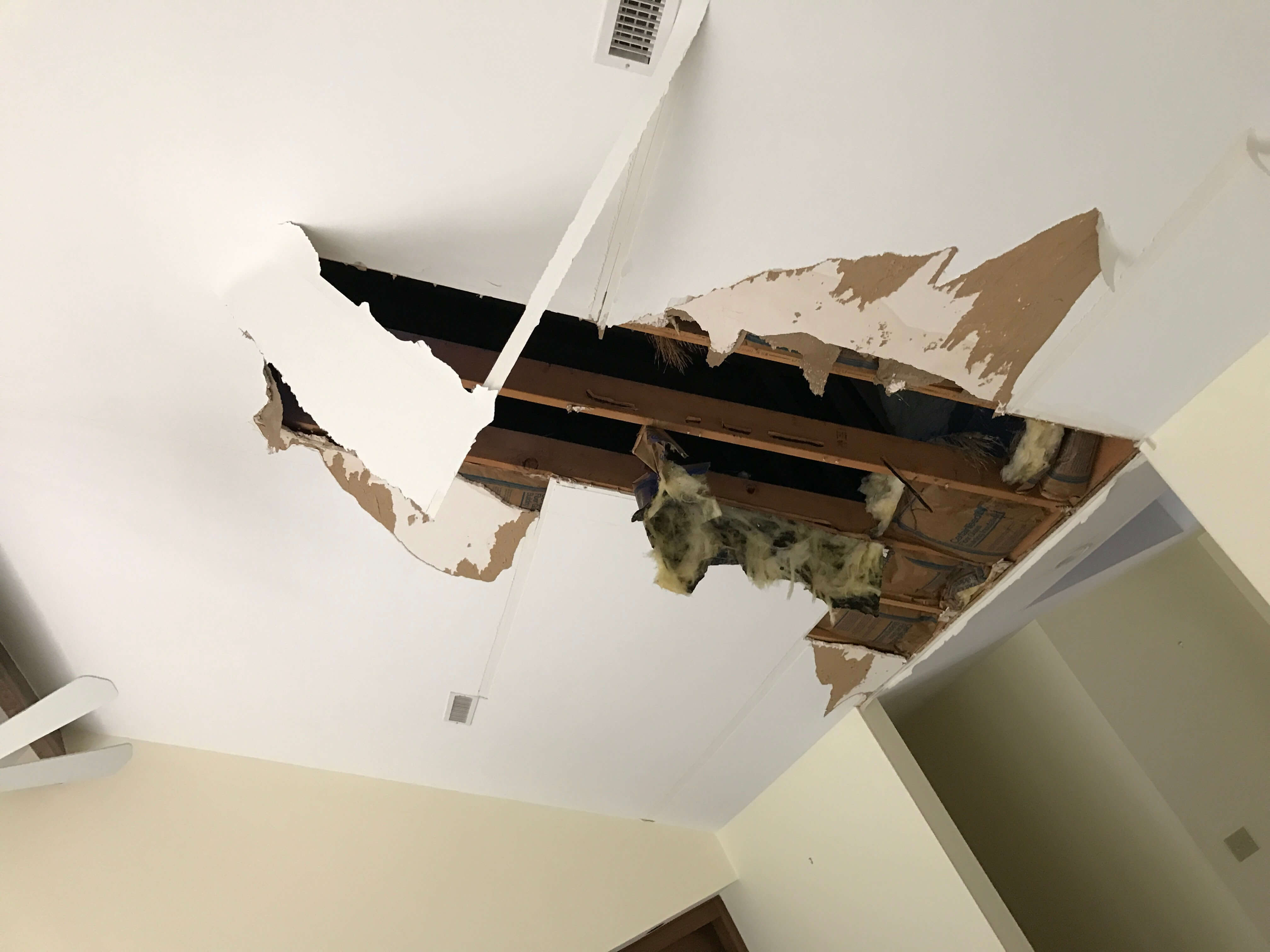
Why Water Leak Detection Matters in Lauderdale-by-the-Sea After Hurricanes
After a hurricane passes through Lauderdale-by-the-Sea, the most obvious damage usually gets the attention first—downed fences, roof debris, and exterior flooding. What often goes unnoticed is the water that enters quietly. Small leaks, pressure-related plumbing issues, and wind-driven rain can introduce moisture into homes without leaving dramatic signs behind.
That’s why water leak detection is so important after hurricanes. In a coastal town like Lauderdale-by-the-Sea, post-storm moisture doesn’t always show up as standing water. Instead, it hides inside walls, under floors, and around mechanical systems, where it can cause damage long after the storm cleanup feels complete.
What Water Leak Detection Really Is
Water leak detection is the process of locating unwanted water intrusion that isn’t visible on the surface. It focuses on identifying active leaks, trapped moisture, and areas where water entered during or after a storm.
In residential homes, leak detection typically involves:
- Moisture detection inside walls, ceilings, and floors
- Inspection of plumbing lines and fixtures
- Evaluation of roof-to-wall transitions
- Checking AC systems and drain lines
- Identifying storm-related pressure or wind intrusion points
The goal is clarity—knowing where water is and whether it’s still active.
Why Hurricanes Increase Leak Risks in Lauderdale-by-the-Sea
Hurricanes affect homes in more ways than just flooding. In Lauderdale-by-the-Sea, strong winds, heavy rain, and pressure changes can force water into places it normally wouldn’t go.
Common hurricane-related leak causes include:
- Wind-driven rain entering through windows and doors
- Roof flashing and seal failures
- Hairline cracks forming in walls or foundations
- Plumbing stress from pressure fluctuations
- AC systems overwhelmed by excess humidity and rain
Even if a home looks intact from the outside, these factors can create hidden leak paths.
Early Signs of Hidden Leaks After a Storm
Post-hurricane leaks often reveal themselves slowly. Many homeowners notice issues weeks after the storm, once moisture has had time to spread.
Common warning signs include:
- New water stains on walls or ceilings
- Musty or damp odors that weren’t present before
- Warped baseboards or flooring
- Paint bubbling or peeling
- AC systems struggling to control humidity
These signs often indicate moisture trapped behind finished surfaces.
Where Water Commonly Hides After Hurricanes
One of the biggest dangers after a hurricane is hidden moisture. Water follows gravity and pressure, often traveling far from where it entered.
In Lauderdale-by-the-Sea homes, professionals frequently find leaks in:
- Wall cavities near windows and sliders
- Ceilings below flat or low-slope roofs
- Under flooring near exterior walls
- Inside AC closets and return plenums
- Beneath cabinets and built-ins
Without proper leak detection tools, these areas can remain wet for extended periods.
Why Waiting for Visible Damage Is Risky
By the time water damage is clearly visible, moisture has usually been present for a while. In South Florida’s warm, humid climate, that delay increases the risk of secondary problems.
Waiting often leads to:
- Mold growth in hidden areas
- Deterioration of drywall and insulation
- Persistent odors that are difficult to remove
- More invasive and costly repairs
Leak detection helps catch issues early, when solutions are simpler and less disruptive.
Professional Water Leak Detection Explained
Professional leak detection goes beyond visual inspection. In post-hurricane situations, professionals focus on how water moved through the structure during the storm.
In residential homes, the process often includes:
- Moisture mapping to track water spread
- Targeted inspection of storm-vulnerable areas
- Evaluation of plumbing and AC-related leaks
- Differentiating between old and new moisture
This approach helps homeowners understand whether water intrusion is ongoing or residual.
Local professionals such as Pompano Mold Inspection and Testing emphasize careful assessment after storms to ensure no hidden moisture is missed.
The Connection Between Leaks and Mold After Hurricanes
After hurricanes, mold risk rises quickly. Warm temperatures, high humidity, and trapped moisture create ideal conditions for mold growth.
Water leak detection plays a key role in mold prevention by:
- Identifying damp areas early
- Supporting targeted drying and water removal
- Guiding mold inspection when needed
- Reducing long-term indoor air quality issues
Stopping leaks early often prevents the need for extensive mold remediation later.
AC Systems and Storm-Related Water Leaks
Air conditioning systems are especially vulnerable after hurricanes. Excess moisture, power interruptions, and debris can affect drain lines and air handlers.
Post-storm leak detection often includes:
- Checking condensate drain lines for blockages
- Inspecting air handlers for overflow
- Evaluating ductwork for moisture intrusion
AC-related leaks are one of the most commonly overlooked post-hurricane issues in coastal homes.
Leak Detection and Water Removal Go Hand in Hand
Finding a leak is only the first step. Once identified, proper water removal and drying are critical to preventing future damage.
Professional services often coordinate:
- Leak detection
- Water removal
- Structural drying
- Moisture monitoring
This ensures the home is not just leak-free, but truly dry.
Preventing Long-Term Damage After Hurricanes
While hurricanes can’t be prevented, long-term damage can often be minimized. Homeowners in Lauderdale-by-the-Sea can reduce risk by:
- Scheduling post-storm inspections
- Addressing small leaks immediately
- Monitoring humidity levels indoors
- Checking AC systems after power restoration
- Paying attention to new odors or stains
Early attention makes recovery smoother and more predictable.
Why Local Experience Matters After Coastal Storms
Hurricane-related leaks behave differently in coastal homes than in inland properties. Local experience matters because professionals understand how wind-driven rain and salt air affect Lauderdale-by-the-Sea structures.
Local specialists know where storm-related leaks typically appear and how to find them efficiently. Pompano Mold Inspection and Testing brings that regional insight, focusing on accurate detection rather than assumptions.
A Calm, Practical Step After the Storm
After a hurricane, it’s natural to focus on visible damage. But for Lauderdale-by-the-Sea homeowners, hidden water leaks often pose the greater long-term risk.
Water leak detection provides clarity when storms leave questions behind. If your home has experienced a hurricane—even without obvious flooding—a professional inspection can help confirm whether water entered where you can’t see it. Identifying and addressing leaks early protects your home, reduces mold risk, and supports a more confident recovery after the storm has passed.
