
Mold Testing Solutions for Homes in Fort Lauderdale: Understanding the Process
In Fort Lauderdale homes, mold concerns often start with a simple question: Is there a problem we can’t see yet? With high humidity, frequent rain, and constant AC use, mold-friendly conditions are common—even in well-maintained houses. That’s why mold testing plays such an important role. It provides clear answers when moisture issues, odors, or past water events raise concerns but visible mold isn’t obvious.
Mold testing isn’t about assuming the worst. It’s about understanding what’s happening inside the home so homeowners can make informed, practical decisions before small issues become larger ones.
What Mold Testing Really Is
Mold testing is a diagnostic tool used to confirm whether mold is present and whether indoor conditions support mold growth. It works alongside mold inspection, not as a replacement for it.
In residential homes, mold testing is typically used to:
- Confirm suspected mold when growth isn’t visible
- Evaluate the extent of a known moisture issue
- Establish baseline indoor conditions
- Guide remediation or prevention decisions
Testing provides data, helping homeowners move forward with confidence instead of guesswork.
Why Mold Testing Is Important in Fort Lauderdale Homes
Fort Lauderdale’s environment creates ideal conditions for mold. Warm temperatures, high humidity, and frequent storms mean moisture is always part of the equation.
Local factors that make mold testing especially relevant include:
- Long rainy seasons with limited drying time
- AC systems producing constant condensation
- Older homes with ventilation challenges
- Slab foundations that trap moisture
- Past water damage that may not have been fully evaluated
Even when a home looks dry, hidden moisture can still affect indoor conditions.
Situations Where Mold Testing Makes Sense
Not every home needs mold testing at all times. In Fort Lauderdale, testing is most useful in specific situations.
Common reasons homeowners request mold testing include:
- Persistent musty or earthy odors
- Recent or past water damage
- Unexplained humidity issues
- AC condensation problems
- Buying or selling a home
- Peace of mind after storms
In these cases, testing helps clarify whether mold is present or likely to develop.
Mold Testing vs. Mold Inspection
Mold inspection and mold testing serve different purposes, and they work best together.
- Mold inspection focuses on identifying moisture sources, visible growth, and conditions that support mold.
- Mold testing confirms whether mold is present and helps evaluate indoor conditions when visuals alone aren’t enough.
Testing without inspection can be misleading. Inspection-first approaches ensure testing is targeted and meaningful.
Understanding the Mold Testing Process
Mold testing follows a structured process designed to answer specific questions about the home’s environment.
Initial Inspection
The process begins with a visual inspection and moisture assessment. Professionals look for leaks, condensation, ventilation issues, and areas prone to dampness.
Moisture Detection
Specialized tools are used to identify damp materials behind walls, ceilings, or flooring. Moisture findings help determine where testing is appropriate.
Targeted Sample Collection (When Needed)
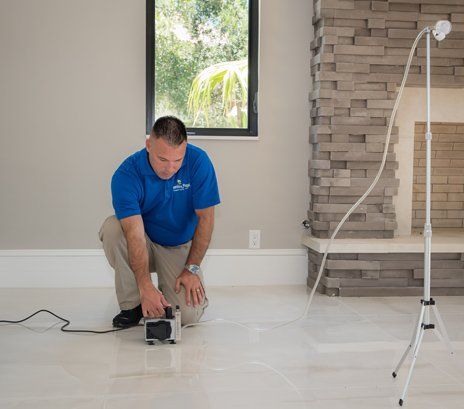
Samples may be collected from air or surfaces to confirm mold presence. Sampling is focused—not random—and based on inspection findings.
Evaluation and Interpretation
Results are reviewed in context with the home’s conditions. The goal is understanding what the results mean, not just reading numbers.
This step-by-step approach ensures testing provides clarity rather than confusion.
Common Areas Tested in Fort Lauderdale Homes
Because of the local climate, certain areas are more likely to be affected by moisture and mold.
Testing often focuses on:
- AC air handlers and nearby walls
- Ductwork with condensation issues
- Bathrooms with poor ventilation
- Attics exposed to heat and humidity
- Areas affected by past leaks or flooding
These locations are chosen based on risk, not convenience.
Why Mold Testing Helps Prevent Future Damage
Mold testing isn’t only about identifying current problems—it’s also about prevention. By understanding moisture patterns and indoor conditions, homeowners can address issues early.
Testing supports prevention by:
- Identifying hidden moisture sources
- Guiding targeted repairs
- Reducing unnecessary demolition
- Helping prevent recurring mold issues
Early insight often keeps solutions simpler and less disruptive.
The Role of AC Systems and Mold Testing
Air conditioning systems are closely tied to mold risk in Fort Lauderdale homes. Condensation from AC units can introduce moisture into walls, ceilings, and ducts.
Mold testing is often paired with:
- AC moisture inspections
- Duct evaluations
- Drain line checks
This combined approach helps determine whether the HVAC system is contributing to indoor mold conditions.
Mold Testing After Water Damage or Storms
After storms or leaks, mold testing helps confirm whether drying efforts were effective. Even when surfaces look dry, moisture may remain trapped inside materials.
Post-event testing can:
- Identify lingering moisture risks
- Support water damage repair decisions
- Reduce long-term mold concerns
This is especially valuable in Fort Lauderdale, where humidity slows natural drying.
Why DIY Mold Test Kits Often Fall Short
Store-bought mold test kits may seem convenient, but they rarely provide reliable or actionable information.
DIY testing often fails because:
- Results lack context
- Moisture sources aren’t evaluated
- False positives are common
- No guidance is provided on next steps
Professional testing focuses on interpretation and relevance, not just sample results.
Why Local Experience Matters in Fort Lauderdale
Mold behavior in South Florida is different from drier regions. Local experience matters because professionals understand how Fort Lauderdale’s humidity, storm patterns, and building styles affect mold risk.
Local specialists know where mold is most likely to develop and when testing is truly useful. Pompano Mold Inspection and Testing brings that regional insight, using testing strategically rather than routinely.
A Clear, Practical Next Step for Homeowners
Mold testing is a tool for understanding—not alarming. For Fort Lauderdale homeowners, it provides clarity when moisture, odors, or past water issues raise questions that visuals alone can’t answer.
If your home has experienced water exposure, persistent humidity, or unexplained indoor air concerns, mold testing can help determine what’s happening beneath the surface. Understanding the process allows homeowners to take calm, informed steps that protect their homes today and help prevent future damage in Florida’s challenging climate.