
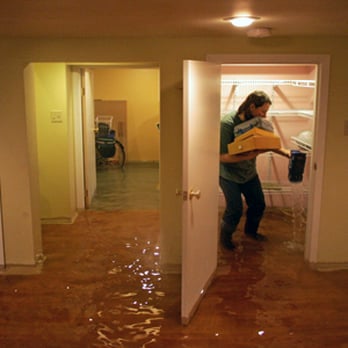
What Property Owners Should Know: Water Damage Repair in North Lauderdale in Commercial Buildings
For property owners in North Lauderdale, water damage in commercial buildings is rarely a simple cleanup. Offices, retail spaces, warehouses, and mixed-use properties rely on uninterrupted operations, and even minor water issues can disrupt tenants, staff, and systems. In South Florida’s humid climate, water damage repair isn’t just about drying what’s visible—it’s about restoring stability and preventing long-term problems that can quietly spread through a building.
Understanding how water damage repair works, where risks typically appear, and why timing matters helps property owners protect their assets and avoid repeat issues.
What Water Damage Repair Really Means in Commercial Properties
Water damage repair is a structured process that addresses both the immediate effects of water and the conditions that allow damage to continue. In commercial buildings, it goes well beyond surface drying.
Effective repair typically includes:
- Identifying the source of water
- Removing standing water or trapped moisture
- Drying structural materials thoroughly
- Repairing or replacing damaged components
- Preventing secondary issues such as mold growth
The objective is to return the building to a dry, functional condition that supports safe occupancy and operations.
Why Commercial Buildings in North Lauderdale Are Vulnerable
North Lauderdale’s environment creates ongoing moisture challenges for commercial properties. Heavy seasonal rain, high humidity, and constant HVAC use increase the likelihood of water intrusion and condensation-related damage.
Common local causes include:
- Roof leaks during storms
- Plumbing failures in restrooms or break areas
- AC condensation and clogged drain lines
- Water intrusion through doors or loading areas
- Past water events that were never fully dried
Because commercial buildings are larger and more complex, water can travel farther before it’s noticed.
Early Warning Signs Property Owners Should Watch For
In commercial settings, water damage often develops quietly. Tenants or staff may notice symptoms without recognizing the cause.
Early indicators include:
- Water stains on ceilings or walls
- Bubbling or peeling paint
- Warped baseboards or flooring
- Musty or damp odors
- Persistent humidity in certain zones
These signs usually indicate moisture trapped behind finished surfaces.
Hidden Water Damage in Commercial Structures
One of the biggest risks in commercial buildings is hidden moisture. Water can migrate into areas that aren’t routinely inspected.
Professionals often find hidden damage in:
- Wall cavities near plumbing chases
- Insulation above drop ceilings
- Flooring beneath carpet or vinyl
- Mechanical rooms housing HVAC equipment
- Attics or roof assemblies after leaks
Without moisture detection and monitoring, these areas can remain wet long after visible water is gone.
Why Delayed Repair Becomes More Expensive
Waiting for water damage to “dry out on its own” often leads to larger problems. In North Lauderdale’s warm climate, moisture doesn’t dissipate quickly, especially indoors.
Delays can result in:
- Expanded material damage
- Increased mold risk
- Odors that disrupt tenants or customers
- More invasive and costly repairs
Early water damage repair keeps disruption and costs under control.
Professional Water Damage Repair Explained
Professional repair begins with assessment. In commercial buildings, this step is critical because water may affect multiple systems and spaces.
The repair process often includes:
- Moisture mapping to determine spread
- Targeted water removal
- Strategic placement of drying equipment
- Continuous moisture monitoring
- Repair or replacement of affected materials
This methodical approach ensures the building is truly dry before restoration is considered complete.
Local providers such as Pompano Mold Inspection and Testing emphasize careful evaluation before repairs begin, helping property owners avoid missed moisture and repeat damage.
The Relationship Between Water Damage and Mold in Commercial Buildings
Water damage and mold are closely linked, especially in high-occupancy commercial spaces. Mold can begin developing within days if materials remain damp.
Water damage repair helps reduce mold risk by:
- Drying materials thoroughly
- Lowering indoor humidity
- Identifying high-risk areas early
- Coordinating mold inspection when appropriate
Addressing water damage promptly often prevents the need for larger remediation efforts later.
HVAC Systems as a Source of Water Damage
HVAC systems are one of the most common sources of water damage in commercial buildings. Overflowing drain pans, clogged condensate lines, or sweating ductwork can release water into ceilings and walls.
Water damage repair often includes:
- Inspecting air handlers and drain systems
- Checking nearby ductwork and insulation
- Evaluating moisture patterns around mechanical rooms
Correcting HVAC-related moisture issues is key to preventing repeat damage.
Water Damage After Storms or Heavy Rain
Storms don’t always cause visible flooding, but wind-driven rain and roof vulnerabilities can introduce water gradually. Commercial buildings with large roof areas are especially susceptible.
Post-storm water damage repair may involve:
- Moisture checks in ceilings and walls
- Drying concealed spaces
- Repairing minor intrusion points
Early inspections after storms help property owners avoid delayed discoveries.
Operational Impact for Property Owners
Beyond physical damage, water issues affect how a commercial property operates. Repairs may disrupt tenants, affect inventory, or limit access to certain areas.
Effective water damage repair helps:
- Minimize downtime
- Protect tenant relationships
- Preserve lease value
- Support long-term maintenance planning
For property owners, this operational stability is just as important as structural repair.
Preventive Steps for Commercial Property Owners
While not all water events can be prevented, proactive maintenance reduces risk significantly.
Helpful measures include:
- Regular roof and plumbing inspections
- Routine HVAC maintenance
- Prompt response to minor leaks
- Monitoring humidity levels
- Post-storm property checks
Prevention often costs far less than repair.
Why Local Experience Matters in North Lauderdale
Water behavior in South Florida commercial buildings differs from other regions. Local experience matters because professionals understand how North Lauderdale’s humidity, construction styles, and weather patterns affect moisture movement.
Local specialists know where water damage typically starts and how to dry structures effectively in a humid environment. That regional insight leads to more accurate repairs and fewer repeat issues.
A Practical Perspective for Property Owners
Water damage repair in North Lauderdale commercial buildings is about protection, not reaction. Understanding how water moves through a property—and addressing it early—helps preserve value, reduce disruption, and support long-term performance.
If your commercial building shows signs of water damage, a professional assessment can provide clarity. Proper repair restores more than dry walls and floors—it restores confidence that the property is stable, functional, and ready to operate in South Florida’s demanding climate.