
What Property Owners Should Know: Moisture Detection in Lighthouse Point after Hurricanes
Hurricanes leave behind more than fallen branches and visible roof damage. In Lighthouse Point, storm-related moisture often becomes the most serious long-term issue for property owners. Heavy rain, wind-driven water, storm surge, and prolonged power outages all create conditions where moisture enters homes and remains hidden long after the storm passes. Moisture detection is one of the most important steps property owners can take after hurricanes to protect buildings, prevent mold, and avoid costly repairs later.
In a coastal environment like Lighthouse Point, moisture problems after hurricanes are common even when homes appear undamaged. Understanding how moisture detection works and why it matters helps property owners respond intelligently instead of reactively.
Why Hurricanes Create Hidden Moisture Problems
Hurricanes introduce extreme moisture into the environment in a short period of time. Wind-driven rain forces water into small openings around windows, doors, roof edges, vents, and exterior walls. Even homes without obvious leaks can take on moisture through pressure-driven intrusion.
Storm surge and saturated soil increase moisture pressure around slab foundations. Water can migrate upward through concrete or enter through tiny foundation cracks. Power outages during storms also contribute, as air conditioning systems shut down and indoor humidity rises rapidly.
Nearby areas such as Pompano Beach, Lauderdale-by-the-Sea, and Fort Lauderdale experience similar conditions, but Lighthouse Point’s coastal exposure often means moisture spreads farther and dries more slowly.
What Moisture Detection Really Is
Moisture detection is the process of identifying water trapped inside building materials and hidden spaces. It goes far beyond visual inspection by measuring moisture levels in drywall, wood, flooring, insulation, and structural components.
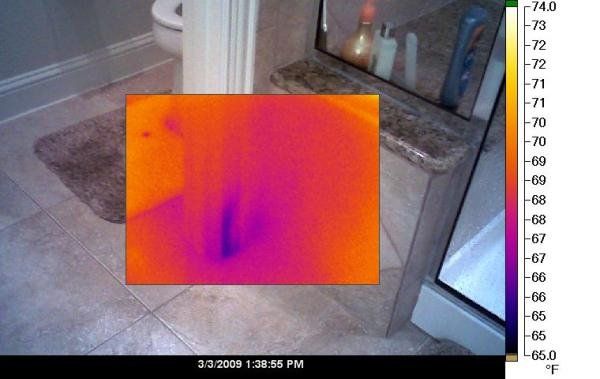
Specialized tools allow moisture to be located without unnecessary demolition. Moisture meters measure how much water is present inside materials, while thermal imaging reveals temperature differences that often indicate damp areas behind walls or ceilings.
After hurricanes, moisture detection helps property owners understand where water entered, how far it spread, and which areas require drying or repair.
Why Visual Inspections Miss Hurricane Moisture
Visual inspections are rarely sufficient after hurricanes. Water often travels behind drywall, above ceilings, and under flooring without leaving immediate surface damage.
Paint, tile, and drywall can look intact while insulation behind them is soaked. Attics may hold moisture for weeks without any visible signs inside living spaces.
By the time stains, odors, or visible mold appear, moisture has usually been present long enough to cause material damage. Moisture detection identifies problems early, before they become obvious.
Early Warning Signs Property Owners Should Watch For
After hurricanes, some warning signs suggest hidden moisture may be present. Musty or damp odors are often the first indicator, especially in closets, hallways, or rooms with limited airflow.
Property owners may notice increased indoor humidity, condensation on vents or windows, or rooms feeling damp even when the AC is running. Minor discoloration near ceilings, baseboards, or corners can also signal moisture intrusion.
These signs should prompt moisture detection rather than cosmetic repairs.
Moisture Problems in Walls and Ceilings after Hurricanes
Walls and ceilings are among the most common places for storm-related moisture. Wind-driven rain can enter through exterior walls and spread inside wall cavities.
Roof damage, even when minor, allows water into attic spaces where it may soak insulation and framing without dripping into rooms below. This moisture often goes unnoticed until odors or mold develop.
Moisture detection helps locate these hidden wet areas before they weaken materials or support mold growth.
Attics and Roof-Related Moisture Issues
Attics are especially vulnerable after hurricanes. Damaged shingles, flashing, or vents allow rain to enter easily. Once inside, moisture spreads through insulation and roof decking.
Because attics are not routinely occupied, moisture can remain there for extended periods. Wet insulation loses effectiveness and creates ideal conditions for mold growth.
Moisture detection in attics helps confirm whether storm damage affected areas above ceilings and whether drying or repairs are needed.
Slab Foundations and Floor Moisture after Storms
Many Lighthouse Point homes are built on slab foundations. After hurricanes, saturated ground increases moisture movement through slabs.
Moisture can wick upward into flooring and lower walls, even when no standing water was visible indoors. Tile may hide moisture beneath it, while wood or laminate flooring may begin to warp or lift weeks later.
Moisture detection identifies damp areas along slab edges and beneath flooring, helping prevent long-term damage that often appears long after the storm.
Why Moisture Detection Helps Prevent Mold Growth
Mold requires moisture to grow. Hurricanes create ideal conditions by introducing water and raising humidity levels.
Moisture detection allows property owners to dry materials before mold has time to develop. Early drying and targeted repairs significantly reduce the risk of mold growth and the need for extensive remediation.
In South Florida’s climate, preventing mold is largely about managing moisture quickly and thoroughly after storms.
How Moisture Detection Guides Smarter Repairs
One of the biggest benefits of moisture detection is accuracy. Instead of guessing where water may have spread, detection tools pinpoint affected areas.
This allows drying equipment to be placed where it is most effective and repairs to focus only on materials that truly need attention. Unnecessary demolition is avoided, while hidden moisture pockets are not missed.
Accurate detection saves time, reduces repair costs, and shortens recovery periods.
Moisture Detection and Water Damage Repair
Moisture detection is a critical part of effective water damage repair after hurricanes. Removing visible water without confirming hidden moisture often leads to recurring problems.
Detection ensures walls, floors, ceilings, and insulation are properly dried before repairs begin. Rebuilding over damp materials traps moisture and almost guarantees future damage.
Confirming moisture levels are safe supports long-term repair success.
AC Systems and Post-Hurricane Moisture
Hurricanes also affect air conditioning systems. Power outages, high humidity, and debris can contribute to AC condensation issues after storms.
Moisture detection often includes checking around air handlers, ductwork, and drain lines. Identifying AC-related moisture early helps prevent ceiling damage, duct contamination, and indoor humidity problems.
Addressing these issues supports healthier indoor conditions during recovery.
Preventing Future Hurricane-Related Moisture Issues
Moisture detection also helps identify vulnerabilities that allowed storm moisture to enter the property. These may include roof weaknesses, exterior wall gaps, or drainage problems.
Once identified, these areas can be repaired to reduce future storm damage. Proactive detection and correction are among the most effective ways to protect coastal properties.
Why Local Experience Matters
Moisture detection after hurricanes in Lighthouse Point requires local knowledge. Coastal storms, salt air, construction styles, and Florida humidity all influence how moisture behaves inside buildings. Local experience helps identify high-risk areas that may be overlooked otherwise.
Pompano Mold Inspection and Testing brings that local expertise to moisture detection, mold inspection, water damage repair, and hurricane-related assessments throughout Lighthouse Point, Pompano Beach, Lauderdale-by-the-Sea, Fort Lauderdale, Coconut Creek, Deerfield Beach, Margate, North Lauderdale, and surrounding Broward County communities.
What Property Owners Should Take Away
Hurricanes rarely leave moisture damage where it is easy to see. Hidden water is often the real threat to properties in Lighthouse Point. Moisture detection gives property owners clarity after storms, helping uncover problems early, guide proper repairs, and prevent mold and long-term damage. In a coastal environment, understanding and addressing hidden moisture after hurricanes is one of the smartest steps property owners can take to protect their investments.