
Understanding Mold Remediation in Margate: Risks and Prevention Methods
Mold remediation is a reality many homeowners in Margate eventually face, whether they expect it or not. High humidity, frequent rain, and year-round air conditioning create conditions where moisture problems develop quietly. Mold rarely starts as a dramatic event. It usually begins behind walls, above ceilings, or inside duct systems long before it becomes visible. Understanding how mold remediation works, the risks involved, and how to prevent mold from returning helps Margate homeowners protect their homes and avoid ongoing damage.
In South Florida, mold remediation is not just about removing mold. It is about controlling moisture in an environment where moisture is always present.
What Mold Remediation Really Is
Mold remediation is the process of identifying, removing, and preventing mold growth in a home. It goes beyond surface cleaning and focuses on addressing the conditions that allowed mold to develop in the first place.
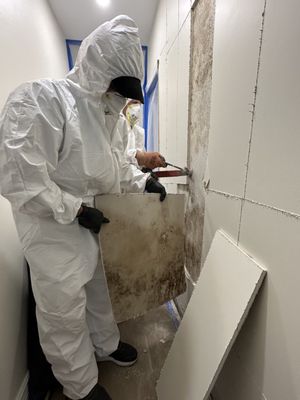
Effective remediation includes inspection, moisture detection, removal of contaminated materials when necessary, cleaning of affected surfaces, and correcting moisture sources. Without moisture control, mold remediation does not last.
In Margate homes, remediation often involves areas that are not visible during daily living, making professional evaluation especially important.
Why Mold Is Common in Margate Homes
Margate’s climate plays a major role in mold development. High humidity levels persist most of the year, even when it is not raining. Homes rely heavily on air conditioning, which can introduce condensation problems if systems are not properly maintained.
Heavy rain and storms allow water to enter through roofs, exterior walls, windows, and doors. Plumbing leaks under sinks, behind walls, or beneath slab foundations often go unnoticed until damage appears.
Nearby areas such as Coconut Creek, North Lauderdale, and Pompano Beach experience similar challenges, but moisture-related issues can become especially persistent when humidity is not controlled consistently.
Early Signs Mold May Be Present
Mold problems usually provide early warning signs. A musty or earthy odor is often the first indicator, especially in closets, spare rooms, or areas with limited airflow.
Homeowners may notice discoloration on walls or ceilings, peeling paint, bubbling drywall, or mold spots that return after cleaning. Increased indoor humidity, condensation on vents, or warped baseboards can also signal moisture problems.
Ignoring these signs allows mold to spread and makes remediation more complex later.
Hidden Areas Where Mold Often Grows
Some of the most serious mold growth occurs out of sight. Wall cavities are a common problem area, especially near plumbing lines, AC components, or exterior walls exposed to rain.
Attics are another frequent source of mold. Roof leaks, poor ventilation, and AC drain line issues allow moisture to build up above living spaces. Damp insulation and roof decking support mold growth without visible signs indoors.
Duct systems can also harbor mold when condensation forms inside poorly insulated ductwork. Mold inside ducts can affect the entire home as air circulates.
Risks of Ignoring Mold Problems
Ignoring mold problems does not make them go away. Over time, mold contributes to material deterioration. Drywall softens, insulation loses effectiveness, and wood framing can weaken when moisture persists.
Mold growth can also spread beyond its original location, increasing remediation scope and repair costs. Hidden mold often affects multiple areas before becoming visible.
The longer mold is allowed to grow, the more disruptive remediation becomes.
Why DIY Mold Removal Usually Fails
Many homeowners attempt to remove mold using household cleaners. While this may temporarily improve appearance, it rarely addresses the full problem.
Mold often grows within porous materials such as drywall, insulation, carpet padding, and wood. These materials cannot always be cleaned effectively and may need to be removed. Without correcting the moisture source, mold usually returns.
DIY efforts also risk spreading mold to other areas if proper containment is not used.
How Professional Mold Remediation Helps
Professional mold remediation begins with inspection and moisture detection. Identifying where mold is present and why it developed is essential for effective treatment.
Once affected areas are identified, remediation focuses on removing contaminated materials when necessary and cleaning remaining surfaces using appropriate methods. Containment measures help prevent mold from spreading during the process.
Most importantly, remediation includes correcting moisture issues. This may involve repairing leaks, improving ventilation, addressing AC condensation problems, or drying affected areas thoroughly.
Mold Remediation and Water Damage Repair
Mold remediation is often closely tied to water damage repair. Leaks, flooding, or condensation problems frequently cause both water damage and mold growth.
Water removal, drying, and repair ensure materials return to safe moisture levels before restoration. Mold remediation without proper drying often leads to recurring problems.
Combining these services provides a more complete solution for Margate homes.
Role of AC Systems in Mold Problems
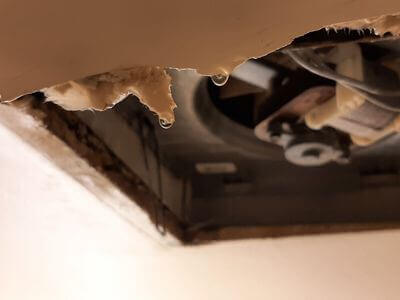
Air conditioning systems play a major role in mold development. Condensation from clogged drain lines, leaking drain pans, or poorly insulated ducts introduces moisture into ceilings and walls.
Restricted airflow and dirty components increase condensation risk. Addressing AC-related moisture issues is often a critical part of mold remediation in South Florida homes.
Proper AC maintenance supports long-term mold prevention.
Prevention Methods That Actually Work
Preventing mold starts with moisture control. Repairing plumbing leaks promptly, maintaining roofs, and sealing exterior openings reduce water intrusion.
Improving ventilation in bathrooms, kitchens, and laundry areas helps remove excess humidity. Monitoring indoor humidity levels provides early warning when moisture is rising.
Regular inspection of attics, ceilings, and AC components helps catch problems early, before mold develops.
Importance of Moisture Detection
Moisture detection is one of the most effective tools for preventing mold. Moisture meters and thermal imaging help identify damp materials inside walls, ceilings, and floors.
In Margate homes, moisture detection is especially useful after storms, plumbing issues, or AC problems. Early detection allows drying and repairs before mold has time to grow.
Moisture awareness is often the difference between prevention and remediation.
Why Local Experience Matters
Mold remediation in Margate requires an understanding of local conditions. Florida’s humidity, rainfall patterns, and residential construction styles all influence how mold develops and spreads. Local experience helps identify common trouble spots and apply solutions that work in Broward County homes.
Pompano Mold Inspection and Testing brings that local expertise to mold remediation, mold inspection, moisture detection, and water damage services throughout Margate, Coconut Creek, North Lauderdale, Pompano Beach, Fort Lauderdale, Lighthouse Point, Deerfield Beach, and surrounding communities.
Protecting Homes Long Term
Mold remediation is not just about removing what is visible. It is about protecting the home from ongoing moisture damage and preventing future problems. For homeowners in Margate, understanding the risks and focusing on proven prevention methods helps keep homes durable, comfortable, and better protected in a challenging climate. With proper remediation and consistent moisture control, mold does not have to be a recurring issue.