
Water Testing Services in Fort Lauderdale after Hurricanes: Understanding the Process
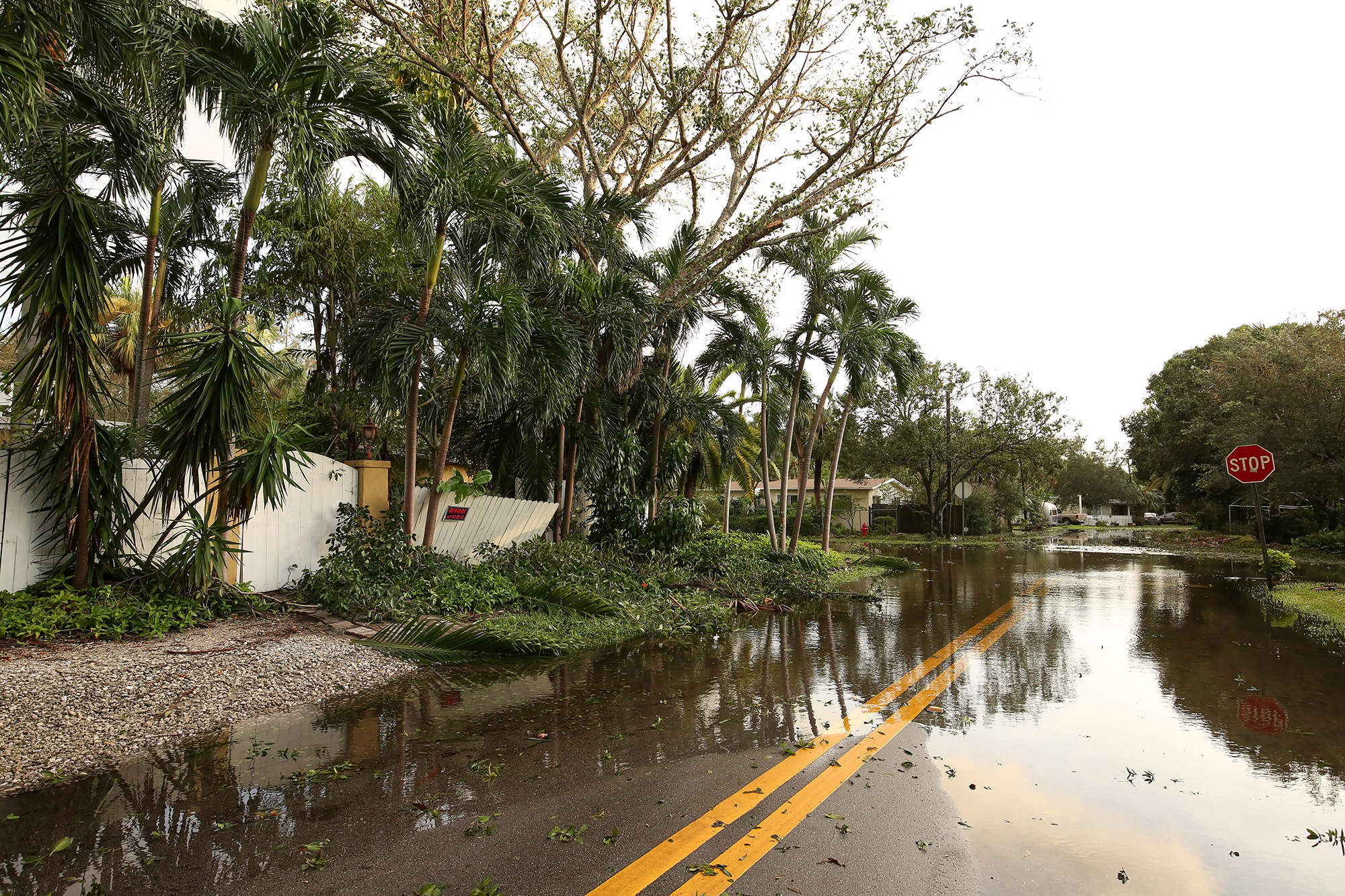
Hurricanes leave behind more than visible storm damage. In Fort Lauderdale, heavy rain, storm surge, and flooding often introduce water into homes in ways that are not immediately obvious. Even when standing water is removed quickly, lingering moisture and unknown water sources can create hidden risks. Water testing services after hurricanes help homeowners understand what their homes have been exposed to and whether additional repair or cleanup steps are needed.
In South Florida’s climate, hurricanes rarely cause just one problem. Water intrusion, moisture buildup, and contamination concerns often overlap. Understanding the water testing process helps property owners make informed decisions after a storm.
Why Water Testing Matters after Hurricanes in Fort Lauderdale
Hurricanes can introduce water from multiple sources at once. Rainwater, groundwater, and stormwater runoff may enter a home through doors, windows, roofs, or foundations. In some cases, drainage systems back up or plumbing lines are affected.
Because different water sources carry different risks, it is important to understand what type of water entered the home. Water testing helps clarify whether water exposure involved clean water or potentially contaminated sources, which directly affects repair and cleanup decisions.
In Fort Lauderdale, where flooding and high water tables are common after storms, water testing provides clarity when visual inspection alone is not enough.
Common Post-Hurricane Water Issues in Homes
After hurricanes, homeowners often deal with more than surface water. Moisture can remain trapped inside walls, under flooring, and inside cabinets long after visible water is gone.
Plumbing systems may also be affected by ground movement or pressure changes during storms. Cracks in pipes or fittings can allow water to leak unnoticed. Storm surge and saturated soil can push water upward through slab foundations.
Nearby areas such as Lauderdale-by-the-Sea, Pompano Beach, and Lighthouse Point experience similar conditions, but Fort Lauderdale’s dense development often increases the likelihood of mixed water sources after major storms.
What Water Testing Really Involves
Water testing after hurricanes is a targeted process designed to evaluate water exposure and support safe recovery. It does not rely on guesswork or assumptions.
Testing may involve evaluating water samples from affected areas or plumbing systems to determine whether contamination is a concern. It is often combined with moisture detection and inspection to understand where water traveled and what materials were affected.
Water testing is most effective when used as part of a broader assessment rather than as a standalone step.
Step One: Identifying Where Water Entered the Home
The water testing process begins with inspection. Identifying entry points helps determine what type of water may be involved.
Inspectors look for signs of intrusion around doors, windows, exterior walls, roofs, and slab edges. Plumbing systems are also evaluated, especially if water appeared in areas not directly connected to rainfall.
Understanding how water entered the home helps guide testing decisions and prevents unnecessary sampling.
Step Two: Assessing Water Sources and Exposure
Once entry points are identified, the next step is understanding water sources. Not all post-hurricane water exposure is the same.
Rainwater intrusion through roofs or windows presents different concerns than water entering from the ground or backed-up drainage systems. Testing helps determine whether water exposure involved contaminants that require special handling or additional cleanup steps.
This assessment is especially important before repairs begin.
Step Three: Water Testing and Sample Evaluation
When testing is recommended, samples are collected based on inspection findings. Testing may focus on areas where water lingered or where contamination is most likely.
Water testing supports decisions about cleaning, drying, and material removal. It also provides documentation that helps guide restoration planning after hurricanes.
Testing is targeted rather than random, ensuring results are meaningful and actionable.
Step Four: Interpreting Results in Context
Water testing results are only useful when interpreted in context. Results are reviewed alongside inspection findings and moisture data.
This step helps determine whether affected materials can be dried and salvaged or whether removal is necessary. It also clarifies whether additional precautions are needed during repair.
For Fort Lauderdale homeowners, this step provides confidence before moving forward with restoration work.
Water Testing and Moisture Detection Work Together
Water testing alone does not show where moisture remains trapped. That is why it is often paired with moisture detection.
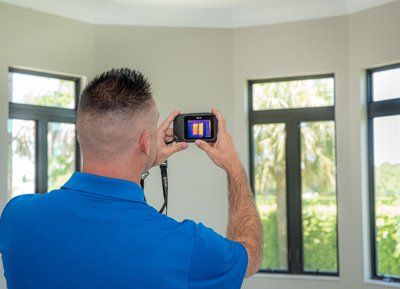
Moisture meters and thermal imaging help locate damp materials inside walls, floors, and ceilings. Water testing confirms the nature of the water exposure, while moisture detection shows where it spread.
Together, these tools provide a complete picture of post-hurricane water damage.
Why Visual Inspection Is Not Enough after Hurricanes
After hurricanes, many homeowners rely on visual inspection to assess damage. While this may reveal obvious issues, it rarely uncovers hidden moisture or contamination concerns.
Walls and floors can appear dry while still holding moisture inside. Cabinets may look intact while their bases remain damp. Water testing and moisture detection provide objective information that visual checks cannot.
Relying solely on appearance often leads to incomplete repairs and recurring problems.
Water Testing and Water Damage Repair Decisions
Water testing plays a key role in water damage repair planning. Knowing what type of water entered the home helps determine how materials should be handled.
Some materials may be safely dried and restored, while others may require removal. Testing supports these decisions and helps avoid rebuilding over materials that could cause future issues.
This approach reduces the risk of repeat damage and unnecessary repairs.
Preventing Mold Growth after Hurricanes
Mold growth is a common concern after hurricanes due to prolonged moisture exposure. Mold requires moisture to grow, and post-storm conditions often provide ideal environments.
Water testing supports mold prevention by helping confirm whether moisture exposure involved contaminants or conditions that increase mold risk. When combined with moisture detection and drying, testing helps prevent mold before it develops.
Early evaluation is one of the most effective ways to avoid mold remediation later.
Role of AC Systems after Storms
Air conditioning systems are often stressed after hurricanes. Power outages, high humidity, and debris can contribute to condensation issues once systems restart.
Water testing and inspection often include evaluating AC components, drain lines, and ductwork. Identifying AC-related moisture early helps prevent secondary water damage and supports effective drying.
Managing AC moisture is an important part of post-hurricane recovery.
Preventing Future Water Problems after Hurricanes
Water testing also helps identify vulnerabilities that allowed stormwater to enter the home. These may include exterior wall gaps, roof weaknesses, or drainage issues.
Once identified, these areas can be repaired to reduce future storm-related water damage. Prevention is a key benefit of understanding the full impact of hurricane water exposure.
Why Local Experience Matters
Water testing after hurricanes in Fort Lauderdale requires local knowledge. Florida’s storm patterns, humidity, construction styles, and drainage systems all influence how water behaves inside homes. Local experience helps ensure testing is appropriate and results are interpreted correctly.
Pompano Mold Inspection and Testing brings that local expertise to water testing, moisture detection, mold inspection, and water damage services throughout Fort Lauderdale, Pompano Beach, Lauderdale-by-the-Sea, Lighthouse Point, Coconut Creek, Deerfield Beach, Margate, North Lauderdale, and surrounding Broward County communities.
A Clear Path Forward after Hurricanes
Hurricanes leave behind complex water-related challenges that are not always visible. Water testing services help Fort Lauderdale homeowners understand what their homes have been exposed to and how to move forward safely. By combining inspection, testing, and moisture control, property owners can make informed repair decisions, prevent future problems, and restore their homes with confidence after storm events.