

Water Removal Solutions for Homes in Pompano Beach: How to Prevent Future Damage
Water intrusion is a frequent problem for homes in Pompano Beach. Heavy rain, tropical storms, plumbing failures, and AC-related moisture issues can introduce water into residential properties quickly and often without warning. In South Florida’s humid climate, water does not simply dry on its own. When moisture is not removed properly, it can remain trapped inside building materials and lead to ongoing damage. Effective water removal solutions help homes recover safely and play a major role in preventing future problems.
For Pompano Beach homeowners, water removal is not just an emergency response. It is a critical step in protecting the structure of the home and avoiding repeated moisture-related issues.
Why Water Problems Are So Common in Pompano Beach Homes
Pompano Beach experiences frequent rainfall, high humidity, and seasonal storms that place constant pressure on residential properties. Flat terrain and high water tables increase the risk of water pooling around homes during heavy rain.
Water often enters through door thresholds, exterior walls, roof leaks, or plumbing failures. AC condensation issues are another common source, especially when drain lines clog or insulation around ductwork is compromised.
Nearby areas such as Lighthouse Point, Deerfield Beach, Margate, Coconut Creek, and Fort Lauderdale face similar challenges, but coastal exposure and dense development make moisture management especially important in Pompano Beach homes.
What Water Removal Really Means
Water removal is the process of extracting unwanted water from a home and drying affected materials to safe moisture levels. It goes beyond removing visible water and focuses on moisture hidden inside walls, floors, ceilings, and insulation.
Effective water removal includes inspection, moisture detection, extraction, controlled drying, and monitoring. Each step plays an important role in ensuring the home is truly dry before repairs begin.
In South Florida, skipping any part of this process often leads to recurring damage.
Early Signs Water Removal Is Needed
Some water problems are obvious, such as standing water or soaked flooring. Others are subtle and easy to ignore. A musty or damp odor is often the first indicator that moisture is present.
Discoloration on walls or ceilings, peeling paint, bubbling drywall, or warped baseboards also suggest water intrusion. Increased indoor humidity or rooms that feel damp despite normal AC operation are additional warning signs.
These symptoms indicate that water has likely spread beyond surface areas and needs proper removal.
Hidden Moisture after Water Intrusion
One of the biggest risks for Pompano Beach homes is hidden moisture. Water can move behind drywall, under flooring, and into insulation without leaving visible signs.
Slab foundation homes are especially vulnerable. Moisture can wick upward from saturated concrete and affect lower walls and flooring long after the initial water event.
Without moisture detection, these hidden areas often remain wet and continue causing damage.
Why Basic Cleanup Is Not Enough
Many homeowners attempt to handle water issues using fans, towels, or household wet vacuums. While these methods may remove surface water, they do not dry wall cavities, insulation, or subfloors effectively.
In humid Florida conditions, surface drying can be misleading. Areas may appear dry while moisture remains trapped inside materials.
Professional water removal addresses this gap by using equipment and techniques designed for deep drying.
Water Removal Inspection and Moisture Detection
Effective water removal begins with inspection. The goal is to determine where water entered the home and how far it spread.
Moisture meters and thermal imaging help locate damp materials inside walls, floors, and ceilings. This information guides extraction and drying efforts and prevents missed moisture pockets.
In Pompano Beach homes, inspections often focus on exterior walls, slab edges, plumbing areas, attics, and AC systems.
Water Extraction and Controlled Drying
Once inspection is complete, water extraction removes standing water quickly. Speed matters, as water penetrates deeper into materials the longer it remains.
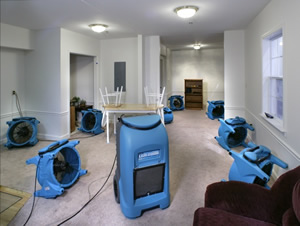
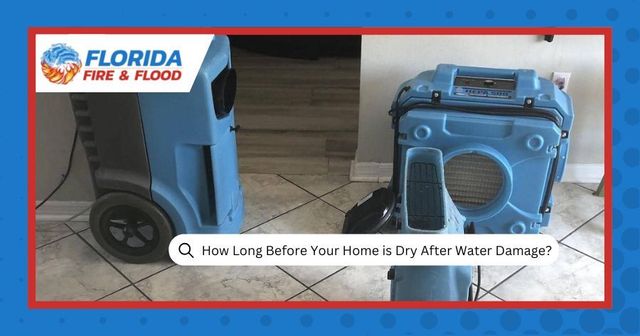
After extraction, controlled drying removes moisture from affected materials. Airflow, temperature, and humidity are carefully managed to dry walls, floors, insulation, and structural components safely.
Moisture levels are monitored throughout the process to ensure materials return to safe ranges before repairs begin.
Repairing Water-Damaged Materials Properly
After drying is complete, repairs focus on materials that cannot be salvaged. This may include drywall, insulation, flooring, baseboards, or cabinets.
Repairs should never begin until moisture levels are confirmed to be safe. Rebuilding over damp materials traps moisture and often leads to recurring damage or mold growth.
Addressing the cause of water intrusion is just as important as repairing the damage itself.
Connection Between Water Removal and Mold Prevention
Water removal plays a major role in mold prevention. Mold requires moisture to grow, and lingering water provides ideal conditions.
By removing water quickly and drying materials thoroughly, water removal significantly reduces the risk of mold development. In cases where moisture exposure was prolonged, mold inspection and remediation may also be needed.
In South Florida’s climate, prompt water removal is one of the most effective mold prevention strategies.
Role of AC Systems in Water Removal
Air conditioning systems often contribute to water issues. Clogged condensate drain lines, leaking drain pans, or poorly insulated ductwork can introduce moisture into ceilings and walls.
Inspecting AC components during water removal helps identify and correct these issues. Proper airflow and humidity control support effective drying and reduce future moisture problems.
Preventing Future Water Damage in Pompano Beach Homes
Prevention starts with understanding how water entered the home. Maintaining roofs, sealing exterior openings, and addressing plumbing issues reduce water intrusion risk.
Keeping gutters and drainage systems clear allows rainwater to move away from the home more effectively. Monitoring indoor humidity and inspecting high-risk areas after storms helps catch moisture issues early.
Regular moisture checks provide early warning and reduce long-term repair costs.
Why Local Experience Matters
Water removal in Pompano Beach requires local knowledge. Florida’s humidity, rainfall patterns, and residential construction styles all influence how water behaves inside homes. Local experience helps ensure inspections are thorough and drying methods are appropriate for Broward County conditions.
Pompano Mold Inspection and Testing brings that local expertise to water removal, moisture detection, mold inspection, and water damage services throughout Pompano Beach, Lighthouse Point, Deerfield Beach, Margate, Coconut Creek, North Lauderdale, Fort Lauderdale, and surrounding Broward County communities.
Protecting Homes from Future Damage
Water problems rarely end with visible cleanup. Hidden moisture is often the real threat. Proper water removal helps Pompano Beach homeowners eliminate that moisture, protect building materials, and prevent future damage. With thorough inspection, controlled drying, and preventative steps, homes can recover safely and remain better protected against future water intrusion.