
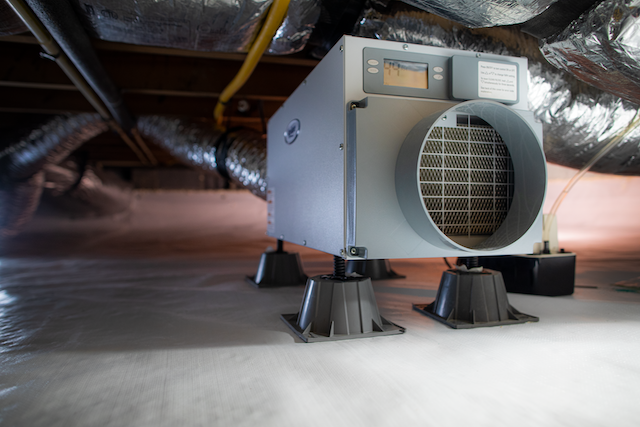
Home Moisture Control Solutions for Homes in Pompano Beach: Understanding the Process
In Pompano Beach, moisture is part of everyday life. Warm temperatures, high humidity, seasonal storms, and near-constant AC use all work together to keep moisture levels elevated inside homes. While a little humidity is normal, uncontrolled moisture can quietly damage building materials, reduce comfort, and create ongoing indoor air quality concerns.
Home moisture control isn’t a single product or quick fix. It’s a process—one that starts with understanding how moisture enters a home, where it builds up, and what steps actually keep it under control long term in South Florida’s climate.
What Home Moisture Control Really Means
Moisture control is the practice of managing excess humidity and unwanted moisture inside a home so materials stay dry and indoor conditions remain stable.
In residential homes, effective moisture control focuses on:
- Limiting moisture entry
- Managing humidity levels
- Removing trapped or lingering moisture
- Preventing repeat moisture buildup
The goal isn’t to make a home “dry like a desert,” but to keep moisture at levels that don’t cause damage.
Why Moisture Is a Constant Issue in Pompano Beach Homes
Pompano Beach homes face unique challenges due to location and climate. Moisture doesn’t just come from rain—it comes from the air itself.
Local factors include:
- High outdoor humidity most of the year
- Heavy seasonal rain with limited drying time
- AC systems producing continuous condensation
- Coastal air affecting seals and materials
- Slab foundations that trap moisture below flooring
Even homes with no visible leaks can struggle with moisture control.
Common Signs Moisture Control Is Needed
Moisture problems often show subtle signs before obvious damage appears. These early warnings are easy to overlook.
Common signs include:
- Musty or stale indoor odors
- Rooms that feel humid despite AC use
- Condensation on vents or windows
- Peeling paint or bubbling drywall
- Warped baseboards or flooring edges
These symptoms usually point to moisture imbalance, not surface spills.
Where Moisture Typically Builds Up Inside Homes
Moisture rarely spreads evenly. It concentrates in specific areas, many of which aren’t part of daily routines.
In Pompano Beach homes, moisture is commonly found in:
- AC closets and around air handlers
- Ductwork with condensation issues
- Bathrooms with limited ventilation
- Attics exposed to heat and humidity
- Wall cavities near kitchens and laundry areas
Without detection tools, these areas can stay damp for long periods.
Step One: Moisture Detection and Assessment
Every moisture control plan starts with understanding what’s happening inside the home. Moisture detection identifies where excess moisture exists and whether it’s active or residual.
This step typically includes:
- Visual inspection of high-risk areas
- Moisture meter readings in walls and floors
- Evaluation of AC systems and drainage
- Identifying moisture sources and patterns
Skipping this step often leads to incomplete or ineffective solutions.
Step Two: Addressing Moisture Sources
Controlling moisture means stopping it at the source whenever possible.
This may involve:
- Repairing plumbing or roof leaks
- Clearing or repairing AC drain lines
- Improving window and door seals
- Correcting airflow imbalances
Without source correction, moisture problems tend to return.
Step Three: Managing Indoor Humidity
Humidity control is a major part of moisture management in Pompano Beach homes. Even without leaks, high indoor humidity can cause condensation and material damage.
Humidity control solutions may include:
- AC system optimization
- Proper ventilation in bathrooms and kitchens
- Dehumidification in problem areas
- Improved airflow throughout the home
Balanced humidity helps materials dry naturally and stay dry.
Step Four: Drying and Moisture Removal
If moisture has already entered building materials, it must be removed—not just covered up.
Professional moisture control often includes:
- Targeted drying of walls, floors, and ceilings
- Dehumidification to support evaporation
- Moisture monitoring until safe levels are reached
This step prevents long-term issues like odors and material breakdown.
Step Five: Preventing Recurring Moisture Problems
The final step is prevention. Once moisture is controlled, keeping it that way requires ongoing awareness and maintenance.
Prevention strategies include:
- Routine AC maintenance
- Monitoring indoor humidity
- Addressing small leaks quickly
- Periodic moisture inspections
- Watching for recurring stains or odors
Small steps taken early help avoid bigger problems later.
Moisture Control and Mold Prevention
Mold needs moisture to grow. By controlling moisture, homeowners significantly reduce mold risk.
Moisture control helps prevent mold by:
- Keeping materials dry
- Reducing humidity buildup
- Eliminating hidden damp areas
- Supporting targeted mold inspection when needed
Early moisture management often prevents the need for remediation.
The Role of AC Systems in Moisture Control
In Pompano Beach, AC systems are the primary moisture managers in the home. When they work correctly, they remove humidity efficiently. When they don’t, moisture problems often follow.
Moisture control plans often include:
- Evaluating condensate drainage
- Inspecting duct insulation
- Correcting airflow restrictions
- Addressing AC-related condensation
AC performance and moisture control are closely connected.
Why DIY Moisture Solutions Often Fall Short
Store-bought dehumidifiers or air fresheners may reduce symptoms temporarily, but they rarely solve the underlying issue.
DIY solutions often fail because:
- Moisture sources aren’t identified
- Hidden damp areas remain untreated
- Humidity returns after equipment stops running
Professional evaluation focuses on causes, not just comfort.
Why Local Experience Matters in Pompano Beach
Moisture behaves differently in South Florida homes than in cooler or drier regions. Local experience matters because professionals understand how humidity, storms, and construction styles affect moisture movement.
Local specialists know where moisture problems typically start and how to control them effectively. Providers like Pompano Mold Inspection and Testing approach moisture control as a whole-home process, not a one-size-fits-all solution.
A Practical Way Forward for Homeowners
Home moisture control is about staying ahead of problems—not reacting to damage. For Pompano Beach homeowners, understanding the process makes it easier to protect comfort, materials, and long-term property condition.
If your home shows signs of persistent humidity, unexplained odors, or recurring moisture issues, a professional moisture assessment can provide clarity. Addressing moisture early keeps repairs manageable and helps ensure your home stays dry, comfortable, and resilient in Florida’s demanding climate.