
Understanding the Process: Moisture Detection in Lauderdale-by-the-Sea in Residential Homes
In Lauderdale-by-the-Sea, moisture is a constant presence. Coastal humidity, wind-driven rain, and year-round air conditioning all work together to keep homes under steady moisture pressure. The challenge is that moisture problems rarely announce themselves with obvious leaks or flooding. More often, they develop quietly behind walls, beneath flooring, or around AC systems.
Moisture detection is the step that brings clarity. It helps homeowners understand where moisture is hiding, whether it’s active or residual, and what needs attention before damage spreads in South Florida’s coastal environment.
What Moisture Detection Actually Means
Moisture detection is the process of locating excess or unwanted moisture inside a home, even when no standing water is visible. It focuses on identifying damp materials, hidden leaks, and areas where moisture lingers longer than it should.
In residential homes, moisture detection helps:
- Find hidden water intrusion
- Confirm whether materials are still wet
- Identify moisture patterns related to humidity or AC use
- Support targeted repairs and prevention
It’s a diagnostic process, not guesswork.
Why Moisture Issues Are Common in Lauderdale-by-the-Sea
Coastal living brings unique moisture challenges. In Lauderdale-by-the-Sea, homes are exposed to moisture from both the outside and the inside.
Local factors include:
- High outdoor humidity most of the year
- Wind-driven rain during storms
- Salt air accelerating wear on seals and materials
- Constant AC use producing condensation
- Slab foundations that limit natural drying
Even homes without visible leaks can struggle with hidden moisture.
Early Signs Homeowners Often Miss
Moisture problems usually start subtly. By the time damage is visible, moisture has often been present for weeks.
Common early warning signs include:
- Musty or damp odors that linger
- Rooms that feel humid despite AC running
- Small stains that fade and return
- Peeling paint or bubbling drywall
- Warped baseboards or flooring edges
These signs usually point to moisture inside materials, not surface spills.
Where Moisture Commonly Hides in Coastal Homes
One of the biggest risks with moisture is that it hides where homeowners rarely look.
In Lauderdale-by-the-Sea homes, moisture is often found in:
- Wall cavities near windows and sliders
- Under sinks and behind cabinets
- AC closets and around air handlers
- Ductwork affected by condensation
- Attics with limited ventilation
Professional tools are often needed to evaluate these areas accurately.
Why Moisture Doesn’t Dry on Its Own
Many homeowners assume moisture will dry naturally once rain stops or a leak slows. In a humid coastal environment, that’s rarely the case.
High humidity slows evaporation, especially inside walls, floors, and insulation. Materials like drywall and wood can hold moisture for long periods, creating conditions that support odors and material deterioration.
Moisture detection confirms whether drying has actually occurred—or if moisture is still present.
The Moisture Detection Process Explained
Moisture detection follows a structured, methodical process designed to identify both location and cause.
Initial Assessment
The home’s layout, history, and recent events are reviewed to understand potential moisture sources.
Targeted Inspection
High-risk areas such as AC systems, kitchens, bathrooms, and exterior walls are visually inspected.
Moisture Measurement
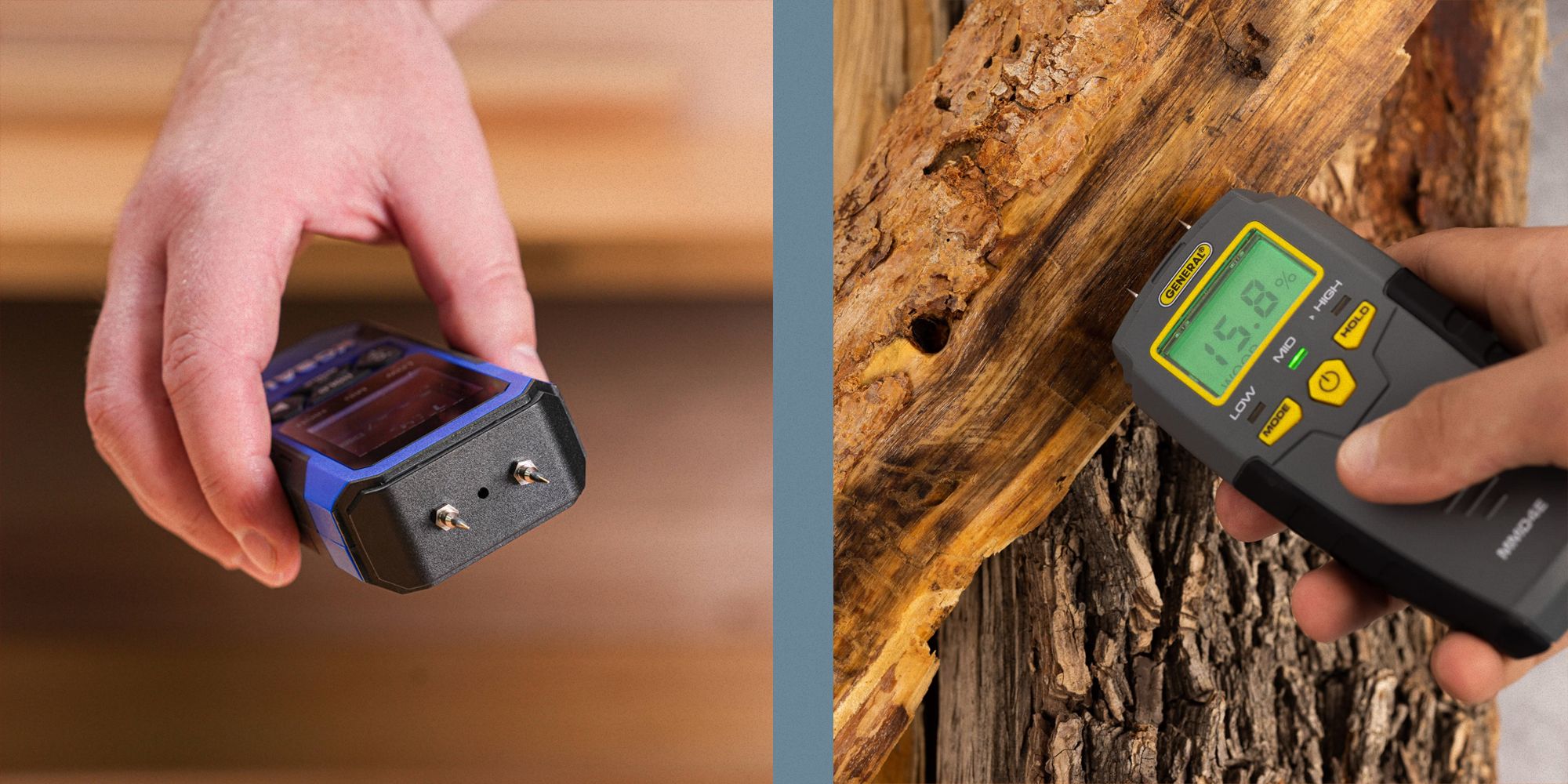
Non-invasive moisture meters and thermal tools are used to detect moisture inside walls, floors, and ceilings.
Pattern Evaluation
Readings are compared across areas to determine whether moisture is active, spreading, or residual from a past event.
This process provides clear information without unnecessary disruption.
Local providers like Pompano Mold Inspection and Testing use moisture detection as the foundation for water damage repair, mold inspection, and long-term prevention.
Moisture Detection and Mold Prevention
Mold needs moisture to grow. Detecting moisture early is one of the most effective ways to reduce mold risk in coastal homes.
Moisture detection helps by:
- Identifying damp areas before mold develops
- Guiding targeted drying and repairs
- Reducing long-term humidity exposure
- Supporting focused mold inspection when appropriate
Early detection often prevents the need for extensive remediation later.
The Role of AC Systems in Moisture Problems
In Lauderdale-by-the-Sea homes, AC systems are one of the most common moisture sources. Condensation must drain properly, or moisture can escape into surrounding materials.
Moisture detection often reveals:
- Clogged or slow condensate drain lines
- Overflowing drain pans
- Sweating ductwork in hot attics
- Moisture around air handlers
Addressing AC-related moisture early helps prevent repeat problems.
Moisture After Storms and Heavy Rain
Storms don’t need to cause visible flooding to introduce moisture. Wind-driven rain can push water into small openings around windows, doors, and roofs.
Post-storm moisture detection helps:
- Confirm drying is complete
- Identify hidden damp areas
- Reduce delayed damage and odors
This step is especially important during the coastal rainy season.
Why DIY Moisture Checks Fall Short
Touching surfaces or using household humidity sensors only tells part of the story. Moisture often exists behind surfaces that feel dry.
DIY checks fall short because:
- Moisture can be trapped beneath finished materials
- Odors may appear long after moisture is present
- Small leaks can remain active unnoticed
Professional moisture detection provides accurate, location-specific information.
Preventing Future Moisture Problems
While not all moisture issues can be avoided, early detection makes prevention much easier.
Homeowners can reduce risk by:
- Addressing leaks immediately
- Maintaining AC systems and drain lines
- Monitoring indoor humidity
- Checking under sinks and around AC closets
- Scheduling periodic moisture inspections
Proactive attention keeps small issues from becoming major repairs.
Why Local Experience Matters in Lauderdale-by-the-Sea
Moisture behaves differently in coastal South Florida than in drier climates. Local experience matters because professionals understand how humidity, salt air, and storm patterns affect moisture movement.
Local specialists know where moisture problems typically start in Lauderdale-by-the-Sea homes and how to detect them efficiently. That regional insight leads to more accurate assessments and better long-term outcomes.
A Clear, Practical Takeaway for Homeowners
Moisture detection isn’t about assuming there’s a problem—it’s about confirming whether your home is truly dry. For Lauderdale-by-the-Sea homeowners, understanding the detection process helps protect comfort, materials, and long-term property value.
If your home shows signs of unexplained dampness, odors, or recurring humidity issues, a professional moisture detection assessment can provide clarity. Catching moisture early helps prevent future damage and keeps your coastal home resilient in Florida’s challenging climate.
