
Why Water Damage Repair Matters in Lighthouse Point in Residential Homes
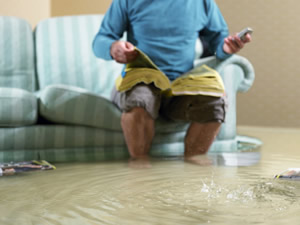
Water damage is one of the most common and costly issues affecting residential homes in Lighthouse Point. Because many water problems start quietly and remain hidden, homeowners often underestimate their impact. By the time stains appear or materials begin to fail, moisture may have already spread into walls, floors, and structural components. Water damage repair plays a critical role in protecting homes, preserving building materials, and preventing long-term problems in a coastal environment.
In Lighthouse Point, water damage repair is not just about fixing what is visible. It is about addressing moisture thoroughly in a climate where humidity and salt air make drying slower and damage more persistent.
Why Lighthouse Point Homes Are Especially Vulnerable to Water Damage
Lighthouse Point’s coastal location creates constant exposure to moisture. High humidity levels slow evaporation and allow water to remain inside building materials longer than expected. Salt air accelerates wear on plumbing components, increasing the likelihood of leaks in both older and newer homes.
Heavy rain and storms frequently push water into homes through roofs, windows, doors, and exterior walls. Groundwater levels can rise quickly after storms, placing pressure on slab foundations and underground plumbing lines.
Nearby areas such as Pompano Beach, Lauderdale-by-the-Sea, and Fort Lauderdale experience similar conditions, but proximity to the coast often increases moisture-related challenges for Lighthouse Point homes.
What Water Damage Repair Really Involves
Water damage repair is a structured process designed to remove moisture, dry affected materials, and restore the home safely. It goes far beyond surface cleanup.
Effective repair includes inspection, moisture detection, water removal, controlled drying, and repair or replacement of damaged materials. Each step is necessary to ensure moisture is fully addressed rather than trapped behind cosmetic repairs.
In South Florida’s climate, skipping steps often leads to recurring damage.
Early Warning Signs Water Damage Should Not Be Ignored
Water damage often provides early warning signs before becoming severe. A persistent musty or damp odor is one of the most common indicators that moisture is present.
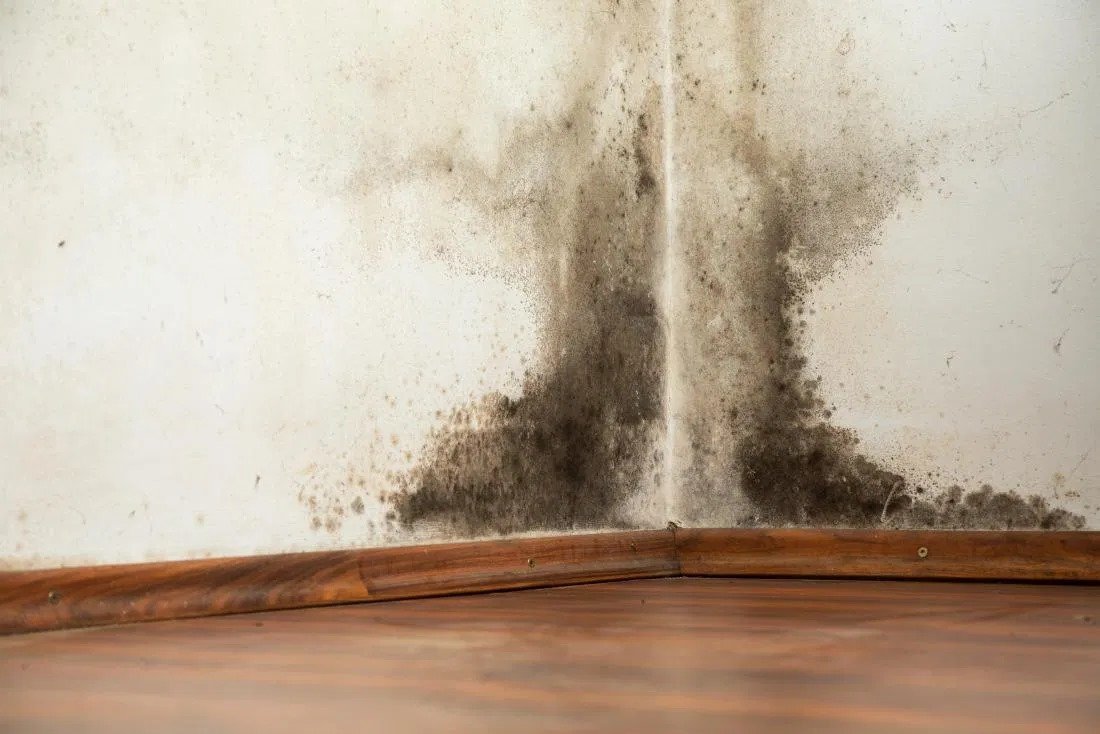
Discoloration on walls or ceilings, peeling paint, bubbling drywall, or warped baseboards suggest ongoing water exposure. Flooring may feel soft, uneven, or cool in areas affected by moisture.
Unexplained increases in indoor humidity or rooms that feel damp despite normal AC operation are also warning signs.
Hidden Water Damage in Residential Homes
One of the biggest risks in Lighthouse Point homes is hidden water damage. Water often travels behind drywall, under flooring, and into insulation without leaving obvious surface signs.
Slab foundation homes are particularly vulnerable. Moisture from plumbing leaks or saturated ground can migrate upward into flooring and lower walls, sometimes weeks after the initial issue occurred.
Without moisture detection, these hidden areas often remain wet and continue causing damage long after surface repairs are completed.
Why Visual Inspection Alone Is Not Enough
Visual inspection plays an important role, but it has clear limits. Walls and floors can appear dry while still holding moisture inside.
In a humid coastal environment, materials do not dry quickly. Cabinets, closets, and wall cavities may conceal damp areas even when visible water is gone.
Water damage repair relies on moisture detection tools to identify these hidden problems accurately.
How Inspection and Moisture Detection Guide Repairs
Proper water damage repair begins with inspection. The goal is to understand where water entered the home and how far it spread.
Moisture meters and thermal imaging help locate damp materials inside walls, floors, and ceilings. This information guides drying efforts and ensures no affected areas are overlooked.
In Lighthouse Point homes, inspections often focus on exterior walls, slab edges, plumbing areas, attics, and AC components.
Water Removal and Controlled Drying Explained
Once inspection is complete, water removal begins. Standing water is extracted quickly to limit absorption into building materials.
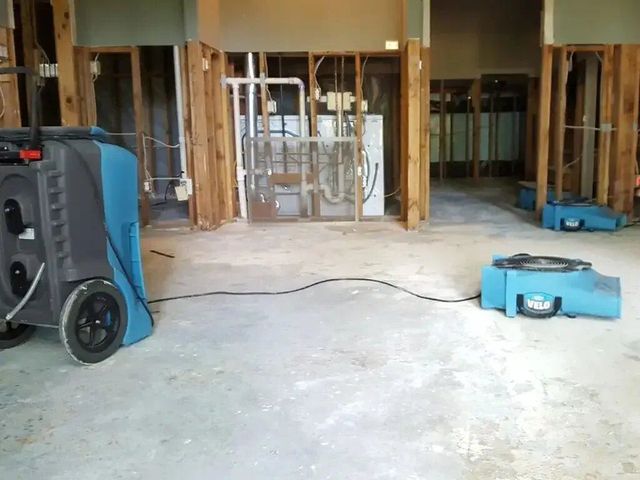
Controlled drying then removes moisture from affected areas. Airflow, temperature, and humidity are carefully managed to dry walls, floors, insulation, and structural components safely.
Moisture levels are monitored throughout the process to confirm materials return to safe ranges before repairs begin.
Repairing Water-Damaged Materials Properly
After drying, repairs focus on materials that cannot be salvaged. This may include drywall, insulation, flooring, baseboards, or cabinets that were compromised by moisture.
Repairs should never begin until moisture levels are confirmed to be safe. Rebuilding over damp materials traps moisture and often leads to recurring damage or mold growth.
Repair work also addresses the cause of water intrusion, such as plumbing leaks, roof issues, or exterior openings.
Connection Between Water Damage and Mold Growth
Water damage and mold growth are closely linked, especially in humid South Florida environments. Mold requires moisture to grow, and water-damaged materials provide ideal conditions.
Mold often begins growing in hidden areas before becoming visible. Proper water damage repair significantly reduces mold risk by removing moisture thoroughly and quickly.
In cases where moisture exposure was prolonged, mold inspection and remediation may also be necessary.
Role of AC Systems in Water Damage Issues
Air conditioning systems often contribute to water damage in residential homes. Clogged condensate drain lines, leaking drain pans, or poorly insulated ductwork introduce moisture into ceilings and walls.
Inspecting AC components during water damage repair helps identify and correct these issues. Proper airflow and humidity control support effective drying and reduce future moisture problems.
In Lighthouse Point homes, AC performance and moisture management are closely connected.
Water Damage Repair and Long-Term Home Protection
Effective water damage repair protects more than just surfaces. It helps preserve structural integrity, prevent repeated repairs, and maintain property value.
Addressing moisture thoroughly reduces wear on building materials and limits the risk of future damage. Homes that receive proper repair after water events are more resilient over time.
For residential homeowners, this proactive approach reduces stress and unexpected costs.
Preventing Future Water Damage in Lighthouse Point Homes
Prevention starts with understanding how water entered the home. Maintaining roofs, sealing exterior walls, and addressing plumbing issues reduce water intrusion risk.
Monitoring indoor humidity, inspecting AC systems, and checking high-risk areas after storms help catch moisture problems early. Regular moisture checks provide early warning before damage becomes extensive.
These steps are especially important in coastal environments.
Why Local Experience Matters
Water damage repair in Lighthouse Point requires local knowledge. Florida’s humidity, coastal exposure, and residential construction styles all influence how water behaves inside homes. Local experience helps ensure inspections are thorough and repair methods are appropriate for Broward County conditions.
Pompano Mold Inspection and Testing brings that local expertise to water damage repair, moisture detection, mold inspection, and restoration services throughout Lighthouse Point, Pompano Beach, Lauderdale-by-the-Sea, Fort Lauderdale, Coconut Creek, Deerfield Beach, Margate, North Lauderdale, and surrounding Broward County communities.
Protecting Residential Homes from Long-Term Damage
Water damage rarely fixes itself, especially in coastal climates. Proper water damage repair helps Lighthouse Point homeowners remove hidden moisture, protect building materials, and prevent recurring problems. With thorough inspection, controlled drying, and targeted repairs, residential homes can recover safely and remain better protected against future water intrusion.