

Expert Advice for Homeowners: Water Leak Detection in Lighthouse Point in Older Homes
Older homes in Lighthouse Point have a lot of character, but they also come with unique challenges—especially when it comes to water leaks. Aging plumbing systems, coastal humidity, and decades of small repairs can allow leaks to develop quietly behind walls, under floors, or beneath slab foundations. By the time visible damage appears, moisture may have already spread far beyond the original source. Water leak detection helps homeowners identify these problems early and protect their homes from long-term damage.
In a coastal environment like Lighthouse Point, leak detection is not just about fixing a pipe. It is about controlling moisture in homes where materials and systems have already endured years of wear.
Why Older Homes in Lighthouse Point Are More Vulnerable to Water Leaks
Many older homes in Lighthouse Point were built with plumbing materials that naturally degrade over time. Corrosion, mineral buildup, and joint fatigue increase the likelihood of slow leaks that may not be immediately noticeable.
Salt air accelerates corrosion in metal pipes and fittings, especially in homes closer to canals or the Intracoastal. Over decades, this exposure weakens plumbing systems and increases the risk of hidden leaks.
Older construction methods may also lack modern moisture barriers or insulation, allowing water to spread more easily once a leak begins. Combined with high humidity, these factors make leak detection especially important in older residential properties.
Common Types of Water Leaks in Older Homes
Water leaks in older homes often develop out of sight. Plumbing lines behind walls, under sinks, and above ceilings are common sources. These leaks may drip slowly for months without triggering obvious signs.
Slab leaks are another major concern. Many older homes have plumbing lines running beneath concrete slabs. When these pipes fail, water spreads silently under flooring and into lower walls.
Roof leaks and window leaks also affect older homes, particularly where seals and flashing have aged. Even small openings allow water to enter wall cavities and attic spaces.
Early Warning Signs Homeowners Should Not Ignore
Older homes often provide subtle warning signs before water damage becomes severe. A persistent musty or damp odor is one of the earliest indicators that moisture is present.
Discoloration on walls or ceilings, peeling paint, bubbling drywall, or warped baseboards suggest ongoing water exposure. Flooring that feels soft, uneven, or warm may indicate moisture beneath the surface.
Unexplained increases in water bills or the sound of running water when fixtures are off can also signal hidden leaks in aging plumbing systems.
Hidden Areas Where Leaks Commonly Occur
Some of the most damaging leaks occur in areas homeowners rarely see. Wall cavities near bathrooms, kitchens, and laundry rooms are frequent problem zones.
Under flooring, moisture can spread unnoticed for long periods, especially in slab foundation homes. Cabinets, closets, and built-in furniture often conceal damp materials that continue to deteriorate.
Attics are another overlooked area. Roof leaks or AC-related condensation can introduce moisture that affects insulation and framing without obvious indoor signs.
Why Visual Inspection Is Not Enough in Older Homes
Visual inspection alone is rarely sufficient in older homes. Surfaces can appear dry while moisture remains trapped inside materials.
In Lighthouse Point’s humid environment, evaporation is slow. Walls, floors, and cabinets may hide moisture long after surface water disappears.
Water leak detection uses specialized tools to uncover these hidden issues before damage becomes extensive.
How Water Leak Detection Works
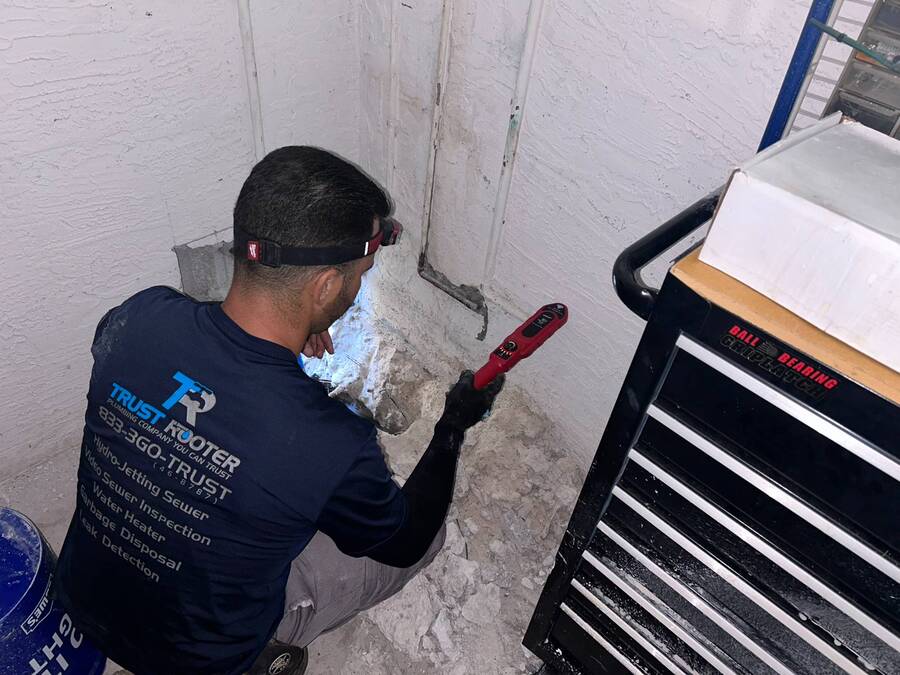
Water leak detection is a non-invasive process designed to locate leaks accurately without unnecessary demolition. Moisture meters measure water content inside walls, floors, and ceilings.
Thermal imaging identifies temperature differences caused by evaporating moisture or water movement behind surfaces. In some cases, acoustic detection helps locate leaks in pressurized plumbing lines.
These tools allow leaks to be pinpointed precisely, reducing disruption and repair costs—especially important in older homes.
Understanding Slab Leak Detection in Older Homes
Slab leaks are among the most serious water leaks in older homes. Because they occur beneath the foundation, they often remain undetected until damage spreads.
Common signs include warm spots on floors, recurring moisture along baseboards, unexplained humidity, or cracks in flooring materials. Water bills may increase without any visible leak.
Early slab leak detection limits how much moisture spreads under the foundation and reduces the risk of structural and flooring damage.
Water Leak Detection and Water Damage Repair
Leak detection is closely tied to effective water damage repair. Identifying the exact source of a leak allows repairs to focus on the affected area rather than relying on guesswork.
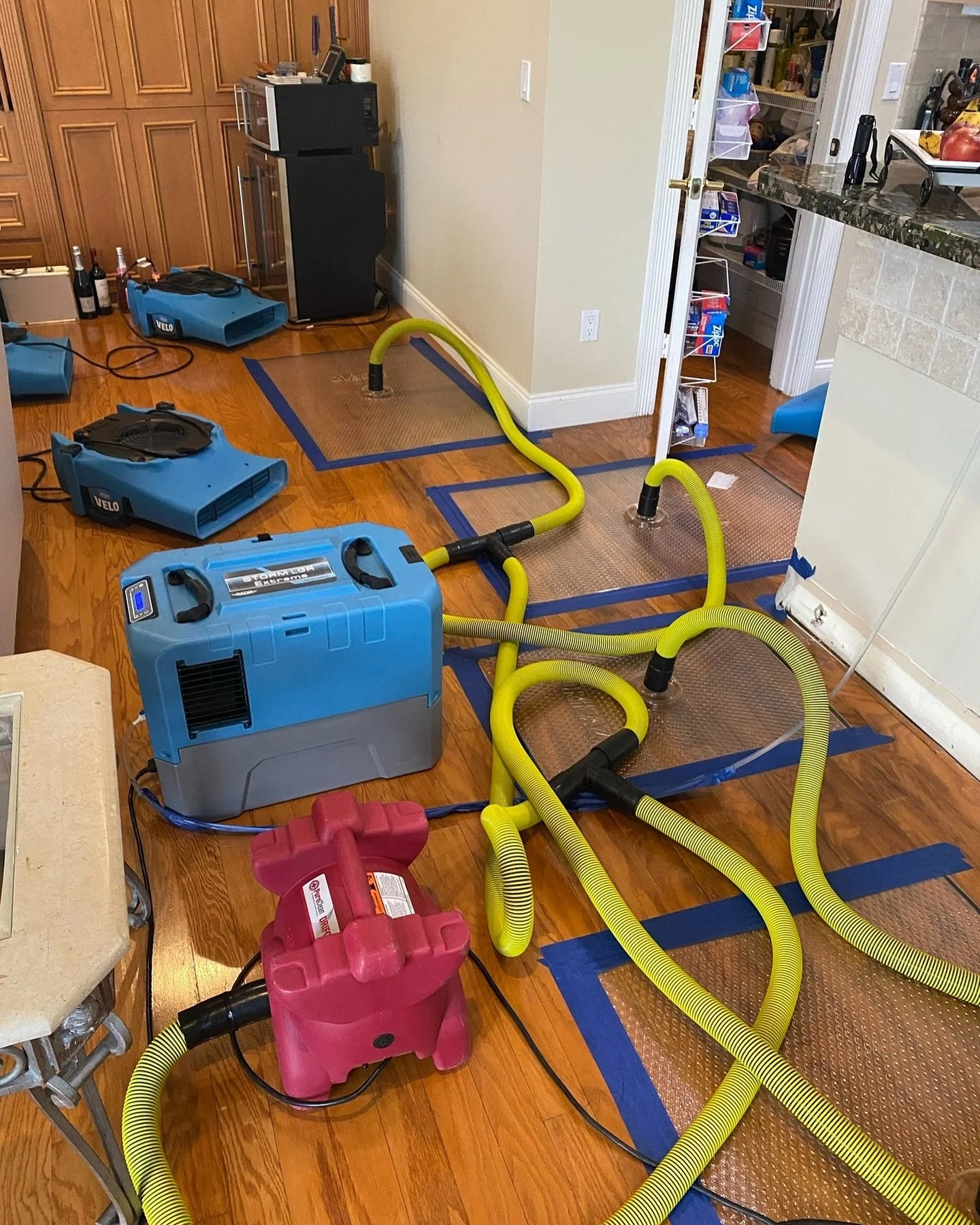
After repairs, moisture detection confirms that affected materials are drying properly. This step is critical in older homes, where materials may hold moisture longer.
Accurate detection shortens repair time and helps prevent repeat damage.
Connection Between Water Leaks and Mold Risk
Water leaks create ideal conditions for mold growth, especially in older homes with limited ventilation. Mold often begins growing inside wall cavities, under flooring, or behind cabinets.
By the time mold becomes visible, the leak may have been active for a long time. Water leak detection helps identify moisture conditions early and reduces the likelihood of mold remediation later.
In Lighthouse Point’s climate, early detection is one of the most effective mold prevention strategies.
Importance of Moisture Detection after Repairs
Fixing a leak does not automatically resolve moisture issues. Water may remain trapped inside walls, floors, or insulation even after the leak stops.
Post-repair moisture detection ensures materials are drying properly before cosmetic repairs are completed. Rebuilding over damp materials often leads to recurring damage and mold problems.
This step is especially important in older homes, where drying takes longer.
Leak Detection in Older Rental and Investment Homes
For owners of older rental or investment properties, leak detection is essential. Hidden leaks can affect multiple units or spread through shared walls and ceilings.
Early detection limits repair costs, reduces tenant disruption, and helps protect long-term property value. It also provides documentation that supports responsible property management.
Proactive leak detection helps avoid emergency repairs that are more disruptive and expensive.
Preventing Future Leaks in Older Homes
Prevention starts with regular monitoring. Checking under sinks, inspecting cabinet bases, and watching for changes in water bills help catch leaks early.
Replacing aging plumbing components and addressing corrosion reduces future risk. Sealing exterior walls, windows, and roof penetrations helps prevent storm-related water intrusion.
After storms or plumbing work, moisture checks confirm that no new leaks have developed.
Why Local Experience Matters
Water leak detection in older Lighthouse Point homes requires local knowledge. Coastal humidity, salt air, aging construction materials, and slab foundations all influence how leaks develop and spread. Local experience helps identify common trouble spots and apply detection methods suited to Broward County homes.
Pompano Mold Inspection and Testing brings that local expertise to water leak detection, moisture detection, mold inspection, and water damage services throughout Lighthouse Point, Pompano Beach, Lauderdale-by-the-Sea, Fort Lauderdale, Coconut Creek, Deerfield Beach, Margate, North Lauderdale, and surrounding Broward County communities.
What Homeowners Should Take Away
Older homes often hide water leaks well. Understanding water leak detection helps Lighthouse Point homeowners recognize early warning signs, avoid unnecessary damage, and protect their properties. With accurate detection, targeted repairs, and ongoing moisture monitoring, water leaks in older homes can be managed effectively before they turn into major, long-term problems.