

Water Testing Services in North Lauderdale in Commercial Buildings: Risks and Prevention Methods
Commercial buildings in North Lauderdale face unique water-related risks due to South Florida’s climate, building design, and operational demands. High humidity, frequent storms, aging infrastructure, and large plumbing and HVAC systems all increase the likelihood of water intrusion. When water enters a commercial property, the source and quality of that water are not always clear. Water testing services help property owners and managers understand what their buildings have been exposed to and how to prevent long-term damage.
In commercial environments, water testing is not just a response to visible water damage. It is a proactive tool for protecting structures, reducing downtime, and preventing recurring moisture problems.
Why Water Issues Are Common in North Lauderdale Commercial Buildings
North Lauderdale’s flat terrain and dense commercial development make water management challenging. During heavy rain, drainage systems can become overwhelmed, allowing water to pool around buildings and enter through doors, walls, and foundations.
Many commercial buildings rely on large plumbing networks that serve restrooms, break areas, kitchens, and mechanical systems. Aging pipes, worn seals, and pressure fluctuations increase the risk of leaks that may go unnoticed for extended periods.
HVAC systems also contribute to water issues. Large air handlers, long duct runs, and extensive condensate systems create multiple opportunities for condensation-related moisture problems. Over time, these factors make water exposure more likely in commercial properties.
Nearby areas such as Margate, Coconut Creek, and Fort Lauderdale experience similar conditions, but commercial buildings in North Lauderdale often face greater complexity due to size and usage patterns.
What Water Testing Really Means for Commercial Properties
Water testing in commercial buildings goes beyond basic water quality concerns. In the context of property protection, water testing helps determine the nature of water intrusion and whether contamination may be a concern.
Testing may be recommended when the source of water is unclear, when water has entered from multiple pathways, or when documentation is needed to guide cleanup and repair decisions. It is most effective when combined with inspection and moisture detection.
Water testing provides clarity that visual inspection alone cannot offer.
Common Situations Where Water Testing Is Needed
Water testing services are often used after flooding, plumbing failures, or storm-related water intrusion. Backed-up drains, sewer line issues, or unknown water sources are common triggers.
Roof leaks that allow water to collect above ceilings may also prompt testing, especially when water travels through insulation or ceiling systems. In some cases, long-term moisture problems lead to testing to better understand ongoing exposure.
Commercial buildings with shared plumbing or multiple tenants benefit from water testing to determine the extent and source of water issues accurately.
Risks of Ignoring Water Exposure in Commercial Buildings
Ignoring water exposure increases the risk of widespread damage. Water that remains trapped inside walls, floors, or ceilings weakens building materials over time.
Drywall softens, insulation loses effectiveness, and ceiling tiles deteriorate when moisture persists. In commercial settings, this often leads to repeated repairs and disruption to daily operations.
Undetected water issues can also spread beyond the original area, increasing restoration scope and cost.
Hidden Water Damage in Commercial Spaces
One of the biggest challenges in commercial buildings is hidden water damage. Water often travels above drop ceilings, behind walls, and beneath flooring without obvious signs.
Mechanical rooms, storage areas, and low-traffic spaces are especially vulnerable. Moisture may remain unnoticed in these areas for long periods.
Without proper evaluation, hidden moisture continues to affect building materials and indoor conditions.
Why Visual Inspection Alone Is Not Enough
Visual inspection plays an important role, but it has limitations. Surfaces can appear dry while moisture remains inside materials.
In South Florida’s humid environment, evaporation is slow. Walls, ceilings, and flooring systems may conceal damp areas long after surface water is gone.
Water testing and moisture detection provide objective information that visual checks cannot.
How Water Testing Fits into the Inspection Process
Water testing is typically guided by inspection findings. The process begins with identifying where water entered the building and how far it spread.
Moisture detection tools are used to locate damp materials inside walls, ceilings, and floors. Based on these findings, testing may be recommended to better understand water exposure.
This targeted approach ensures testing is relevant and supports informed decision-making.
Water Testing and Water Damage Repair Planning
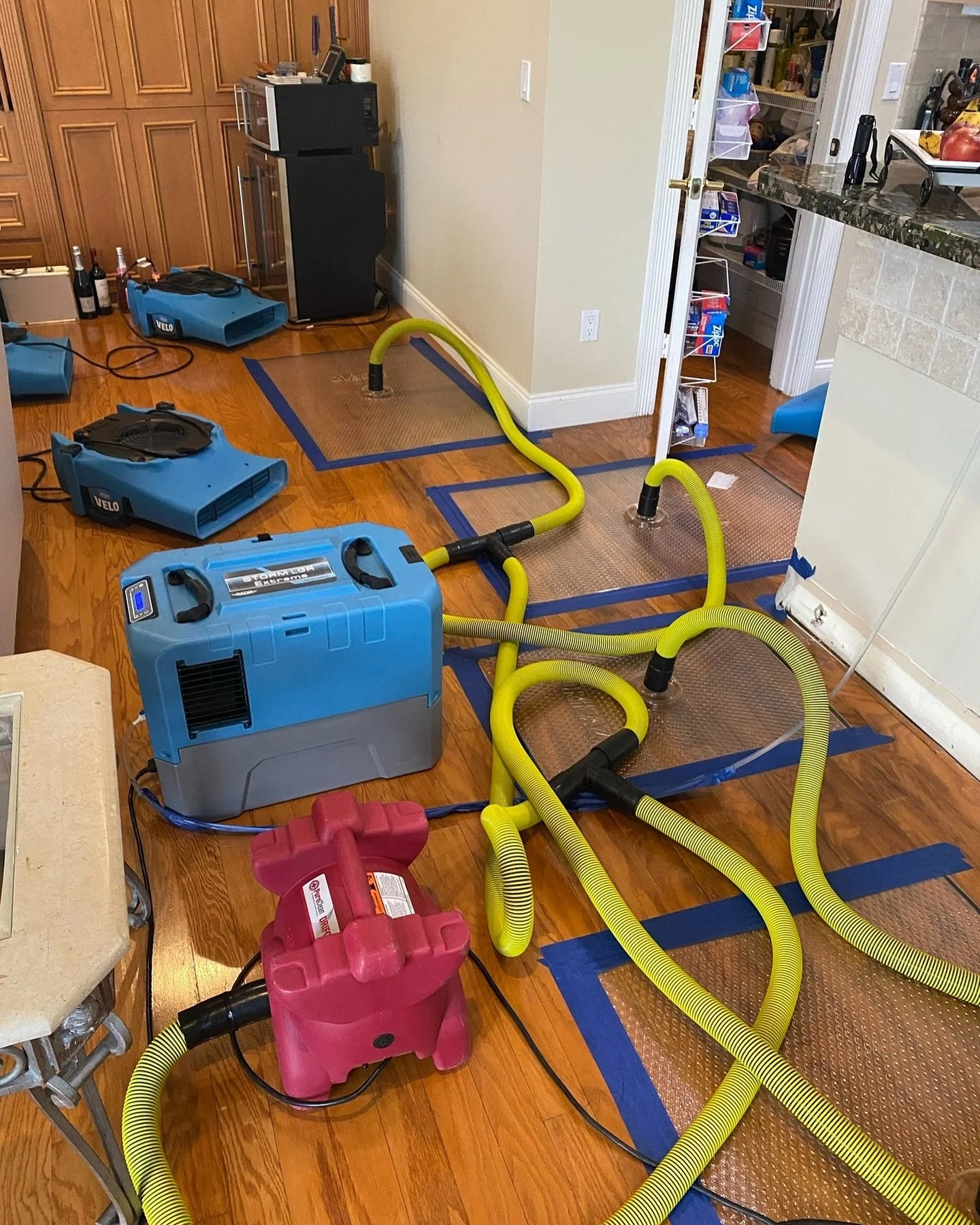
Water testing plays an important role in planning water damage repair. Understanding the type of water involved helps determine how materials should be handled.
Some materials may be safely dried and restored, while others may require removal. Testing supports these decisions and helps prevent rebuilding over materials that could cause future problems.
In commercial buildings, accurate planning reduces downtime and unnecessary repairs.
Connection Between Water Issues and Mold Risk
Water exposure and mold growth are closely connected, especially in humid commercial environments. Mold requires moisture to grow, and hidden water provides ideal conditions.
Water testing helps clarify the duration and nature of water exposure, supporting decisions about mold inspection and remediation when needed.
Early evaluation reduces the likelihood of extensive mold problems developing later.
Role of HVAC Systems in Commercial Water Issues
HVAC systems play a major role in commercial water exposure. Condensation from large air handlers, clogged drain lines, or damaged insulation can introduce moisture into ceilings and walls.
Water testing and inspection often include evaluating HVAC-related moisture issues. Addressing these problems early supports effective drying and prevents recurring damage.
Proper HVAC maintenance is a key part of water prevention in commercial buildings.
Prevention Methods That Reduce Water-Related Risks
Preventing water problems starts with regular inspections and maintenance. Monitoring plumbing systems, maintaining roofs, and sealing exterior openings reduce water intrusion risk.
Clearing drainage systems and maintaining gutters help direct rainwater away from buildings. Routine HVAC maintenance reduces condensation-related moisture.
After storms or plumbing repairs, moisture checks help confirm that no new water issues have developed.
Importance of Post-Storm Water Evaluation
After heavy rain or storms, early water evaluation is critical. Water may enter commercial buildings in ways that are not immediately visible.
Post-storm inspections and water testing help identify moisture exposure before damage spreads. Early drying and targeted repairs significantly reduce restoration costs.
In North Lauderdale, this proactive approach is especially valuable during active storm seasons.
Water Testing in Multi-Tenant Commercial Buildings
Multi-tenant properties present additional challenges. Water issues in one unit can affect adjacent spaces through shared walls, ceilings, and plumbing systems.
Water testing helps determine the extent of exposure and supports coordinated repair efforts. Clear documentation also helps property managers communicate effectively with tenants.
This approach reduces disputes and supports responsible property management.
Why Local Experience Matters
Water testing services in North Lauderdale commercial buildings require local knowledge. Florida’s rainfall patterns, humidity levels, and commercial construction styles all influence how water behaves inside properties. Local experience helps ensure testing is appropriate and results are interpreted accurately.
Pompano Mold Inspection and Testing brings that local expertise to water testing, moisture detection, mold inspection, and water damage services throughout North Lauderdale, Margate, Coconut Creek, Pompano Beach, Fort Lauderdale, Lighthouse Point, Deerfield Beach, and surrounding Broward County communities.
Protecting Commercial Buildings Long Term
Water problems in commercial buildings rarely resolve on their own. Water testing services help North Lauderdale property owners understand risks, guide proper repairs, and prevent future damage. By combining inspection, testing, and prevention strategies, commercial buildings can remain more resilient, functional, and protected in South Florida’s demanding climate.