


Mold Inspection and Testing in Margate: Risks and Prevention Methods
Mold is a common concern for homeowners in Margate, largely because of South Florida’s warm temperatures, high humidity, and frequent rain. Mold problems rarely start with visible growth. In most cases, they begin quietly after moisture issues go unnoticed, spreading behind walls, above ceilings, or inside duct systems. Mold inspection and testing help homeowners understand risks early and take practical steps to prevent long-term damage.
In Margate homes, mold inspection is not about alarm. It is about identifying moisture conditions and addressing them before they turn into larger problems.
Why Mold Is a Frequent Issue in Margate Homes
Margate’s climate creates ideal conditions for mold growth. High humidity slows drying, allowing moisture to linger inside building materials. Heavy rain and storms often introduce water through roofs, windows, exterior walls, and doors.
Air conditioning systems also play a major role. Condensation from clogged drain lines, leaking drain pans, or poorly insulated ductwork can add moisture to ceilings, walls, and attics. Over time, these hidden moisture sources support mold growth without obvious signs.
Nearby communities such as Coconut Creek, North Lauderdale, and Pompano Beach experience similar challenges, but consistent humidity makes mold prevention especially important in Margate.
What Mold Inspection and Testing Really Involve
Mold inspection is a structured process focused on identifying moisture and mold-related risks. It begins with a visual assessment of common problem areas such as bathrooms, kitchens, laundry rooms, and HVAC components.
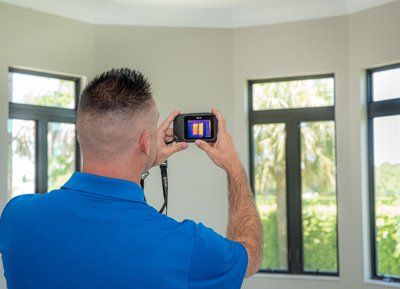
Inspectors also evaluate less visible areas, including attics, wall cavities, and areas near slab foundations. Moisture detection tools are used to locate damp materials inside walls, floors, and ceilings without unnecessary demolition.
Mold testing may be recommended in certain situations, such as when mold is suspected but not visible or when confirmation is needed to guide remediation decisions. Testing is most effective when guided by inspection findings.
Risks of Undetected Mold Growth
When mold goes undetected, it often spreads beyond its original location. Mold can grow inside wall cavities, behind cabinets, and under flooring for extended periods before becoming visible.
Prolonged moisture exposure weakens building materials. Drywall softens, insulation loses effectiveness, and wood framing can deteriorate over time. As mold spreads, remediation becomes more involved and disruptive.
Undetected mold also increases the likelihood of recurring problems, even after surface cleaning or cosmetic repairs.
Early Warning Signs Homeowners Should Not Ignore
Mold problems usually provide early warning signs. A persistent musty or earthy odor is often the first indicator that mold or moisture is present.
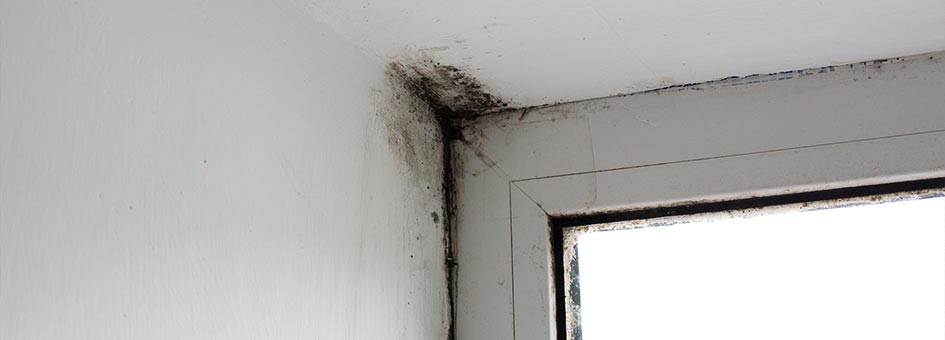
Homeowners may notice discoloration on walls or ceilings, peeling paint, bubbling drywall, or stains that return after cleaning. Warped baseboards, damp flooring, or recurring condensation around vents are additional signs of moisture issues.
These symptoms suggest that mold inspection may be needed even if no visible mold is present.
Hidden Areas Where Mold Often Develops
Some of the most serious mold growth occurs out of sight. Wall cavities near plumbing lines or exterior walls are common problem areas, especially after leaks or storms.
Attics are another frequent source of mold in Margate homes. Roof leaks, poor ventilation, and AC drain line issues allow moisture to build up above living spaces. Damp insulation and roof decking support mold growth without obvious indoor signs.
Duct systems can also harbor mold when condensation forms inside ductwork or insulation, allowing mold to spread as air circulates through the home.
Why Visual Inspection Alone Is Not Enough
Visual inspection plays an important role, but it has limits. Mold often grows where it cannot be seen, and moisture can remain trapped inside materials even when surfaces appear dry.
Walls, ceilings, and floors may look intact while holding moisture behind them. Without moisture detection, these hidden conditions often go unnoticed until mold becomes visible.
Professional mold inspection combines visual assessment with moisture detection to provide a more complete picture of what is happening inside the home.
Role of Moisture Detection in Mold Prevention
Moisture detection is central to effective mold prevention. Moisture meters measure water content inside materials, while thermal imaging highlights temperature differences that often indicate damp areas.
In Margate homes, moisture detection is especially useful after storms, plumbing leaks, or AC issues. Identifying damp materials early allows drying and repairs before mold has time to develop.
Managing moisture is the foundation of mold prevention.
When Mold Testing Is Useful
Mold testing is not always required, but it can be helpful in specific situations. Testing may be recommended when mold is suspected but not visible, or when documentation is needed to plan remediation.
Testing can also help establish a baseline in properties with recurring moisture issues. However, testing without inspection often produces confusing results and should be avoided.
Inspection and moisture detection should always come first.
How Mold Inspection Guides Remediation and Repairs
Mold inspection results help determine the appropriate next steps. Some materials may be dried and preserved, while others may require removal and replacement.
Inspection findings guide remediation plans and help avoid unnecessary demolition. They also ensure moisture sources are addressed before repairs begin, reducing the risk of mold returning.
This targeted approach saves time and limits disruption for homeowners.
Connection Between Mold and Water Damage
Mold inspection is closely tied to water damage repair. Leaks, flooding, and condensation problems often cause both water damage and mold growth.
Water removal, drying, and repair ensure materials return to safe moisture levels. Mold inspection helps confirm whether mold-related risks exist after water damage events.
Addressing moisture and mold together provides more reliable long-term results.
Prevention Methods That Reduce Mold Risk
Preventing mold starts with moisture control. Repair plumbing leaks promptly and inspect roofs regularly, especially after storms.
Improve ventilation in bathrooms, kitchens, and laundry areas to reduce humidity. Maintain AC systems by clearing condensate drain lines and inspecting duct insulation.
Monitor indoor humidity levels and address condensation early. Regular inspections of attics, ceilings, and high-risk areas provide early warning before mold develops.
Importance of Post-Storm Mold Inspections
After heavy rain or storms, early inspection is critical. Moisture may enter homes in ways that are not immediately visible.
Post-storm mold inspections help identify damp materials before mold growth begins. Early drying and targeted repairs significantly reduce the need for remediation later.
In Margate’s climate, proactive inspections after storms are one of the most effective prevention strategies.
Why Local Experience Matters
Mold inspection and testing in Margate require local knowledge. Florida’s humidity, rainfall patterns, and residential construction styles all influence how moisture and mold behave inside homes. Local experience helps identify common trouble spots and apply inspection methods suited to Broward County properties.
Pompano Mold Inspection and Testing brings that local expertise to mold inspection, mold testing, moisture detection, and water damage services throughout Margate, Coconut Creek, North Lauderdale, Pompano Beach, Fort Lauderdale, Lighthouse Point, Deerfield Beach, and surrounding Broward County communities.
Protecting Homes through Early Action
Mold problems rarely appear suddenly. They develop gradually as moisture remains trapped inside homes. Mold inspection and testing help Margate homeowners understand risks, recognize early warning signs, and take preventive action. With proper inspection, moisture control, and timely repairs, mold issues can be managed effectively and prevented from becoming long-term problems.