

Flood Restoration Solutions for Homes in Fort Lauderdale: Warning Signs and Prevention Tips
Flooding is a persistent concern for homeowners in Fort Lauderdale, especially during the rainy season and tropical storm months. Heavy rainfall, saturated ground, aging drainage systems, and the city’s low elevation all contribute to frequent water intrusion in residential homes. While some flooding is obvious, much of the damage begins quietly and worsens over time if not handled correctly.
In Fort Lauderdale and nearby areas such as Pompano Beach, Lauderdale-by-the-Sea, Lighthouse Point, and Deerfield Beach, flood-related issues are often tied to moisture that remains trapped after water recedes. Understanding flood restoration, recognizing early warning signs, and applying practical prevention methods can help homeowners protect their property, reduce long-term damage, and maintain a safe living environment.
What Flood Damage Really Means in Residential Homes
Flood damage involves more than visible water on floors. When flooding occurs, water penetrates walls, insulation, flooring systems, cabinetry, and structural components. Even a small amount of water can spread underneath surfaces and remain hidden for days or weeks.
Porous materials such as drywall, carpet padding, wood framing, and baseboards absorb water quickly. Once saturated, these materials begin to weaken and break down. In Fort Lauderdale’s humid climate, moisture trapped inside building materials rarely dries on its own.
Proper flood restoration focuses on removing water completely, drying materials thoroughly, and restoring the home safely. Skipping steps or relying on surface drying leaves hidden damage behind.
Why Flooding Is So Common in Fort Lauderdale
Fort Lauderdale’s geography and climate make it particularly vulnerable to flooding. Sudden, intense rainstorms can overwhelm storm drains and cause water to pool around homes. Tropical systems often bring prolonged rainfall that saturates soil and increases groundwater pressure.
Many homes are built on slab foundations, which allow moisture to migrate upward during extended rain events. Flat terrain and aging infrastructure further limit drainage efficiency. Blocked gutters, poor grading, and clogged drains also contribute to water intrusion.
Homes near canals, low-lying neighborhoods, or older developments often face increased risk, even if they have not experienced flooding before.
Early Warning Signs Homeowners Should Not Ignore
Flood damage often begins with subtle warning signs. Water pooling near entry points such as doors, garages, or sliding glass doors during heavy rain is an early indicator.
Inside the home, homeowners may notice damp or soft flooring, swelling baseboards, or discoloration near floor edges. Musty odors are another common sign, particularly after storms. These smells often come from moisture trapped beneath flooring or inside walls.
Other indicators include increased indoor humidity, condensation on windows, or AC systems struggling to maintain comfort. These symptoms suggest moisture intrusion that should be addressed quickly.
Hidden Damage Caused by Flooding
Some of the most serious flood-related damage is not immediately visible. Water can travel behind walls, under cabinets, and into insulation without obvious surface signs.
Electrical components may be affected even if outlets appear dry. Wood framing can absorb moisture and lose structural integrity over time. Insulation loses effectiveness when wet and may remain damp long after flooding ends.
If floodwater reaches ductwork or HVAC systems, moisture can spread throughout the home, creating persistent odors and elevated humidity. Hidden damage is why flood restoration must go beyond basic cleanup.
Why DIY Flood Cleanup Is Not Enough
After minor flooding, many homeowners attempt cleanup using towels, wet vacuums, or household fans. While this may remove visible water, it rarely addresses moisture trapped inside materials.
Without professional moisture detection, damp areas remain untreated. In Fort Lauderdale’s climate, this trapped moisture can lead to mold growth and material deterioration.
Floodwater may also contain contaminants from soil, drains, or outdoor debris. Improper cleanup can spread contamination rather than remove it. Professional flood restoration ensures safety, thorough drying, and proper handling of affected materials.
The Professional Flood Restoration Process Explained
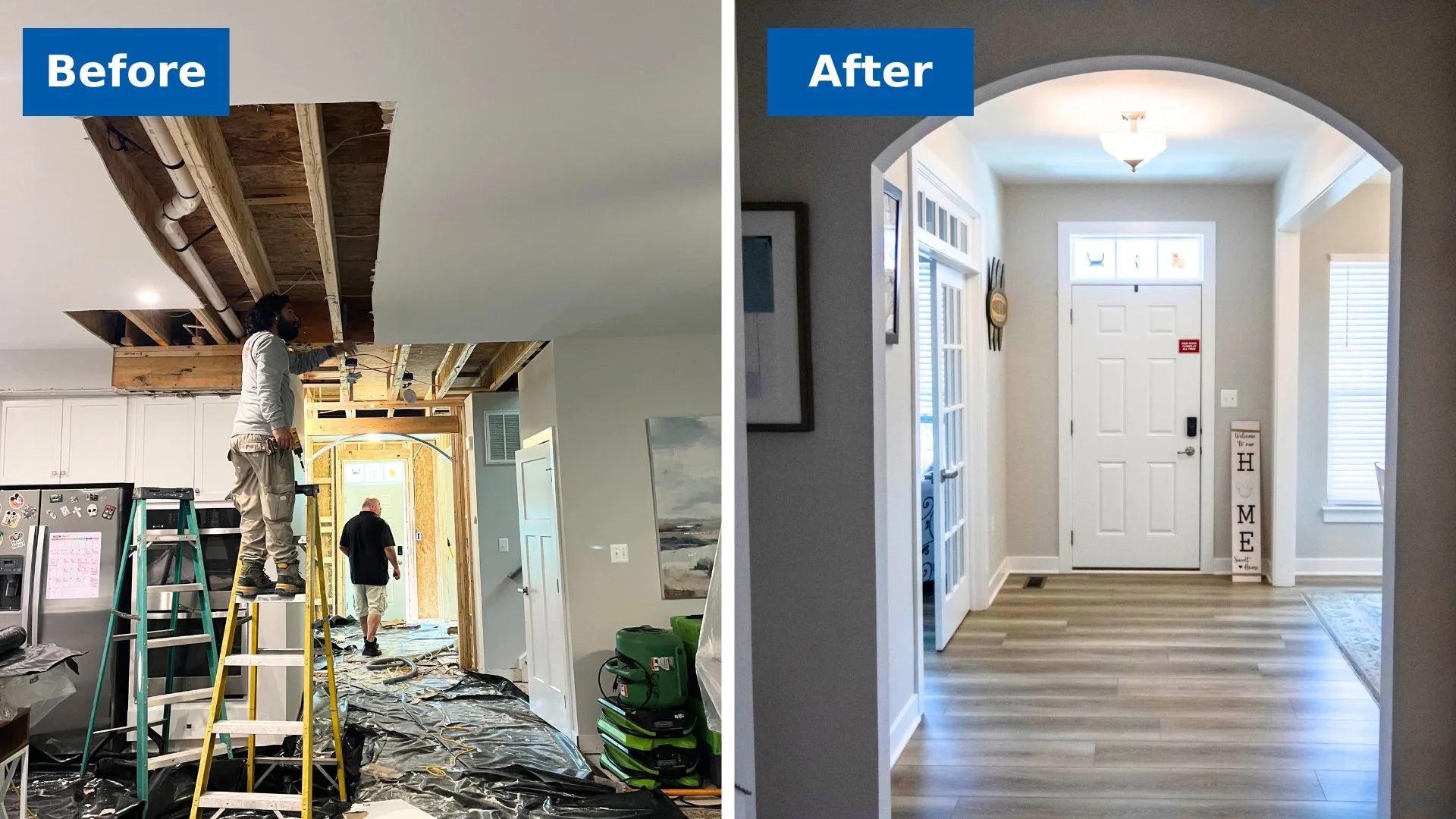
Flood restoration follows a structured process designed to stop damage and restore the home. The first step is a detailed assessment to identify all affected areas, including hidden moisture.
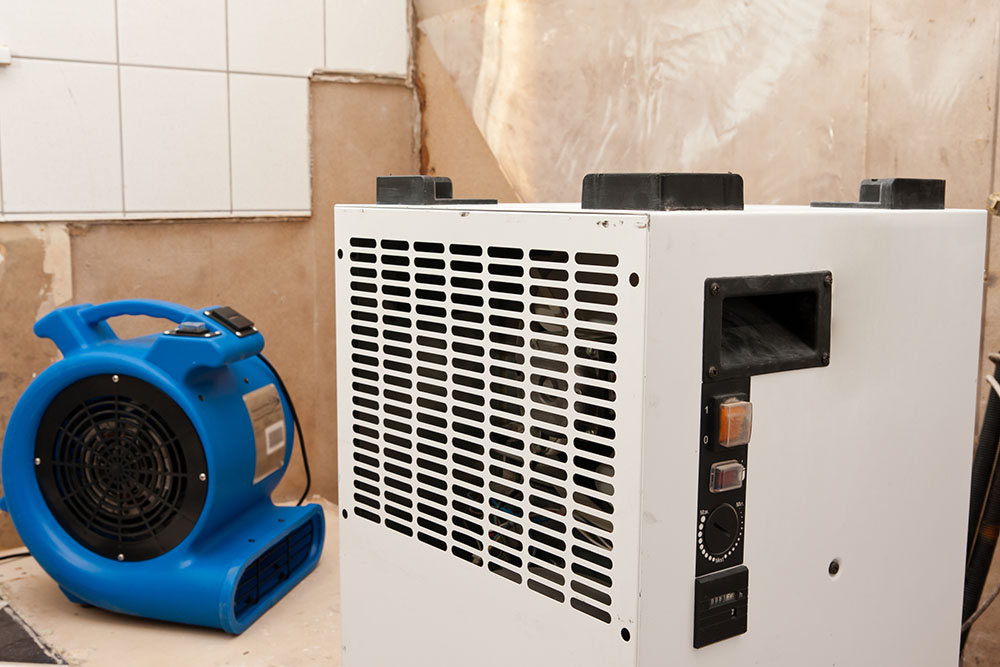
Standing water is removed using professional extraction equipment. This step prevents further spread and damage. After water removal, industrial air movers and dehumidifiers are placed strategically to dry materials and reduce indoor humidity.
Moisture levels are monitored throughout the process to confirm drying is complete. Materials that cannot be safely dried are removed and replaced. This approach ensures the home is restored to a safe and dry condition.
Mold Risks Following Flooding
Mold growth is a common secondary issue after flooding in Fort Lauderdale homes. Mold can begin developing within 24 to 48 hours if moisture remains.
Flooded materials such as drywall, carpet padding, and insulation create ideal conditions for mold growth. Mold often develops in hidden areas, making early detection difficult.
Professional mold inspection and cleaning may be required after flood restoration, especially if water remained for an extended period. Addressing mold promptly helps prevent long-term indoor air quality issues.
How Flooding Affects HVAC and Air Duct Systems
HVAC systems are often impacted during flooding events. Water entering ductwork, air handlers, or mechanical closets can spread moisture throughout the home.
Wet ducts and insulation reduce system efficiency and contribute to persistent odors. In some cases, professional air duct inspection and cleaning are necessary as part of flood restoration.
Ensuring HVAC systems are clean and dry helps restore comfort and prevents ongoing humidity problems.
Preventing Flood Damage in Fort Lauderdale Homes
Flood prevention starts with managing water around the home. Keeping gutters and downspouts clear ensures rainwater is directed away from the foundation. Proper grading prevents water from pooling near walls.
Sealing doors, windows, and foundation penetrations reduces the risk of water intrusion during storms. Regular roof inspections help identify vulnerabilities before heavy rain exposes them.
Maintaining drainage systems, AC condensation lines, and sump pumps if present also reduces flood risk. After heavy rainfall, checking for early signs of moisture allows homeowners to respond quickly.
The Importance of Proper Water Damage Repair
Flood restoration does not end once surfaces appear dry. Proper water damage repair ensures affected materials are restored correctly and moisture does not remain trapped.
This may include repairing drywall, replacing flooring, reinstalling insulation, and addressing structural components. Skipping repair steps increases the likelihood of future issues such as mold growth and material failure.
Complete repair is essential for long-term protection.
Why Local Experience Matters
Flood restoration in Fort Lauderdale requires local knowledge. Understanding coastal weather patterns, drainage behavior, and regional construction styles allows professionals to identify risks others may miss.
Pompano Mold Inspection and Testing brings experience working throughout Fort Lauderdale, Pompano Beach, Lauderdale-by-the-Sea, and surrounding Broward County communities. Local insight helps ensure flood restoration addresses both visible damage and hidden moisture.
A Practical, Prevention-Focused Approach for Homeowners
Flooding can feel overwhelming, but early action and proper restoration make a significant difference. Recognizing warning signs, responding quickly, and focusing on prevention reduce long-term damage and repair costs.
For Fort Lauderdale homeowners, understanding flood restoration solutions provides clarity and confidence. With a proactive approach, homes can remain safe, dry, and resilient despite South Florida’s challenging weather conditions.