Water Testing in Margate: Practical Tips That Work
Water issues are a quiet but common problem in Margate homes. Many property owners don’t realize there’s a concern until stains appear, odors develop, or building materials begin to deteriorate. By the time these signs show up, moisture has often been present for weeks or even months.
Water testing is one of the most reliable ways to understand what’s happening inside a property. It helps confirm the source of moisture, evaluate water quality, and identify conditions that can lead to mold growth or structural damage. For homeowners, landlords, and property managers in Margate and nearby communities, understanding how water testing works can make a big difference in preventing long-term problems.
What Water Testing Is and Why It Matters
Water testing is the process of analyzing water or moisture found in a property to determine its source, composition, and potential risks. This can include testing for contaminants, identifying whether water intrusion is clean or contaminated, and measuring moisture levels in building materials.
In homes across Margate, water testing is commonly used after:
- Plumbing leaks
- Roof leaks
- AC condensation issues
- Flooding or heavy storms
- Slab or foundation moisture
Knowing exactly what type of water is present helps guide the next steps, whether that involves drying, repairs, or further inspection.
Why Water Problems Are So Common in Margate
South Florida’s climate plays a major role. Margate experiences high humidity for most of the year, along with seasonal storms that can bring sudden and intense rainfall. When the ground becomes saturated, moisture can move into foundations and walls more easily.
Air conditioning systems also contribute to the issue. AC units run frequently in this region, and condensation lines or drain pans can sometimes clog or overflow. Over time, even a small amount of unnoticed moisture can lead to larger concerns.
Older homes in Margate may have aging plumbing or roofing materials, while newer construction can still face problems related to ventilation or installation errors. Water intrusion doesn’t discriminate by age or style of home.
Common Signs Homeowners Notice
Water problems rarely begin with dramatic damage. More often, the signs are subtle.
Homeowners often report:
- Musty or damp odors
- Small stains on ceilings or walls
- Warped baseboards or flooring
- Peeling paint
- Increased indoor humidity
- Unexplained allergy-like symptoms related to indoor air quality
These signs don’t always mean severe damage, but they do indicate moisture somewhere in the structure.
Hidden or Overlooked Sources of Water
Some of the most common water issues in Margate come from places people rarely check.
Hidden sources can include:
- AC drain lines inside walls
- Air ducts accumulating condensation
- Slow plumbing leaks under sinks
- Roof flashing gaps
- Window seals
- Water intrusion behind tile or cabinets
Because these areas are not visible, moisture can build up for a long time before anyone notices.
Practical Tips That Work for Homeowners
Water testing is most effective when homeowners take a few practical steps early.
Act quickly after any leak or flood.
Even minor water intrusion should be evaluated. Moisture can spread through drywall and flooring rapidly in humid conditions.
Pay attention to humidity levels.
Indoor humidity above 60% can encourage mold growth and moisture problems.
Check AC systems regularly.
Condensation lines and drain pans should be inspected periodically to ensure proper drainage.
Inspect areas after heavy rain.
Roofs, ceilings, and windows should be checked for early signs of intrusion.
Schedule periodic inspections in high-risk homes.
Rental properties, older homes, and coastal structures often benefit from routine moisture checks.
These small steps often prevent much larger repairs later.
Why DIY Testing Often Falls Short
Hardware stores sell moisture meters and simple test kits, and these tools can be helpful for basic checks. However, they rarely provide the full picture.
DIY methods often miss:
- Hidden moisture inside walls
- Sources of water intrusion
- Airborne moisture levels
- Contaminant identification
Professional equipment can detect moisture patterns and water pathways that are not visible on the surface.
Professional Water Testing Explained
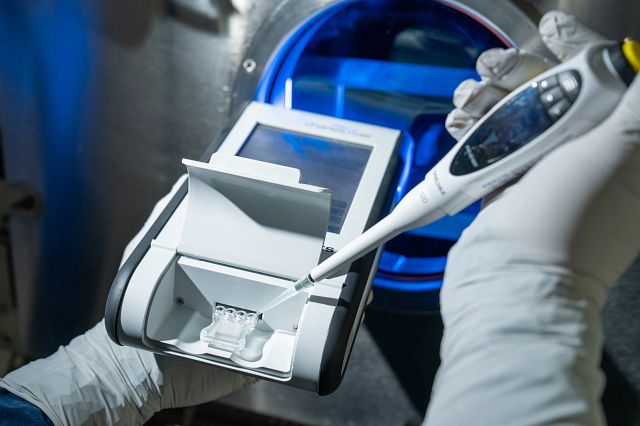
Professional water testing involves several steps designed to identify both the presence and the cause of moisture.
These steps may include:
- Visual inspection of affected areas
- Moisture meter readings
- Thermal imaging to detect hidden moisture
- Sampling water or damp materials when necessary
- Evaluating HVAC systems and ducts
Technicians interpret the results to determine whether the moisture is recent, ongoing, or historical.
Companies such as Pompano Mold Inspection and Testing often combine water testing with moisture detection and inspection services to provide a complete assessment of the property.
Proper Water Removal and Drying Process
If testing confirms water intrusion, the next step is drying and restoration.
Professional drying typically includes:
- Water extraction if standing water is present
- Industrial air movers and dehumidifiers
- Monitoring moisture levels during drying
- Removing damaged materials when necessary
Proper drying is essential. If moisture remains trapped in materials, mold can develop within days.
Flood Restoration and Water Damage Repair
In Margate, heavy storms sometimes lead to localized flooding. Floodwater often contains contaminants, which makes proper cleanup especially important.
Flood restoration may involve:
- Sanitizing affected areas
- Removing saturated materials
- Repairing drywall, flooring, or insulation
- Restoring structural elements
Prompt restoration helps preserve both property value and indoor air quality.
Air Ducts, AC Systems, and Water Issues
Many homeowners are surprised to learn how often moisture problems begin in HVAC systems.
Air ducts can accumulate condensation when shows airflow is restricted or insulation is damaged. Over time, this moisture can spread into ceilings or walls.
Regular duct cleaning, proper insulation, and AC maintenance reduce these risks significantly.
How to Prevent Water Problems in Margate Homes
Prevention is always easier than repair.
Effective prevention includes:
- Cleaning gutters and roof drains
- Inspecting roofs annually
- Maintaining plumbing fixtures
- Keeping AC systems serviced
- Using dehumidifiers when needed
- Ensuring proper ventilation in bathrooms and kitchens
Small maintenance routines often prevent major water damage.
Why Local Experience Matters
Water issues in Margate are different from those in drier regions. The combination of humidity, storms, and constant air conditioning creates unique challenges.
Professionals familiar with Broward County homes understand:
- Local building materials
- Common moisture patterns
- Seasonal risks
- Coastal weather effects
Local experience helps identify problems faster and recommend solutions that work in this climate.
A Calm, Practical Next Step
If you notice persistent moisture, odors, or stains, it’s wise to investigate sooner rather than later. Water testing provides clarity, and clarity allows property owners to make informed decisions.
Homes in Margate, Coconut Creek, Deerfield Beach, Lighthouse Point, Lauderdale-by-the-Sea, North Lauderdale, and Fort Lauderdale all face similar environmental conditions. Staying proactive with inspections, maintenance, and testing is one of the most effective ways to protect a property over the long term.