
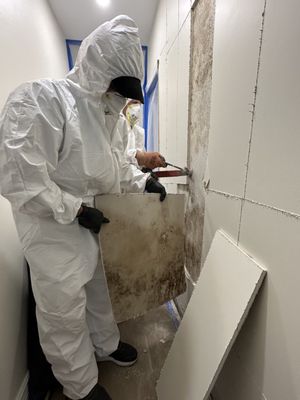
Why Mold Inspection and Testing Matters in Margate After Storm Damage
Storm damage in Margate doesn’t always look dramatic. Sometimes it’s obvious—roof shingles missing, water on the floor, soaked drywall. Other times, the damage is quiet. A little water sneaks in through the roof, a window seal fails under wind-driven rain, or humidity sits inside the home for days after the power goes out. That’s when mold problems tend to start.
After a storm, many homeowners focus on visible repairs and cleanup. What often gets missed is what’s happening behind the walls, above the ceilings, and inside the HVAC system. This is where mold inspection and testing becomes critical. It helps identify hidden moisture and mold risks early, before small storm-related issues turn into long-term problems.
What Storm Damage Really Means for Homes
Storm damage isn’t just flooding. In Margate, storms commonly cause:
- Roof leaks that drip slowly into attics and ceilings
- Wind-driven rain entering through windows or exterior walls
- AC shutdowns that allow humidity to spike
- Minor plumbing or drain issues from pressure changes
- Water intrusion that dries slowly due to high humidity
Even when water exposure seems brief, materials like drywall, insulation, and wood framing can hold moisture long enough for mold to develop.
Why Margate Homes Are Especially Vulnerable After Storms
Margate’s climate makes post-storm moisture problems harder to detect and resolve. Several local factors increase mold risk:
- High humidity before and after storms
- Warm temperatures that speed up mold growth
- Frequent summer storms with wind-driven rain
- Homes sealed tightly for energy efficiency
- Attics and wall cavities with limited airflow
After a storm, moisture often doesn’t evaporate on its own. Instead, it lingers in enclosed spaces, creating ideal conditions for mold.
Common Signs Homeowners Notice After Storm Damage
Many homeowners don’t suspect mold right away. The signs are often subtle and appear days or weeks after the storm.
Common warning signs include:
- Musty or damp odors that weren’t there before
- Stains on ceilings or walls
- Peeling paint or bubbling drywall
- Increased indoor humidity
- Condensation around vents or windows
- Allergy-like irritation that seems worse indoors
These signs usually point to moisture problems that should be investigated, even if visible mold isn’t present.
Hidden Mold Risks After Storms
One of the biggest dangers after storm damage is hidden mold growth. Mold often develops in areas homeowners rarely see, such as:
- Attic insulation and roof decking
- The backside of drywall
- Inside wall cavities below roof leaks
- Around recessed lights and ceiling fixtures
- Inside air ducts exposed to humid attic air
- Beneath flooring after minor water intrusion
Because these areas aren’t visible, mold can grow undetected for months.
Why Visual Checks Aren’t Enough
After a storm, it’s common to walk the house, check for stains, and assume everything is fine if nothing looks wet. Unfortunately, visual checks don’t tell the full story.
Moisture can remain trapped inside materials long after surfaces feel dry. Without proper moisture detection and testing, homeowners are left guessing. Mold inspection and testing replaces guesswork with measurable information.
How Mold Inspection and Testing Works After Storm Damage
Professional mold inspection and testing focuses on both mold and moisture.
Inspection and Moisture Detection
The process starts with a detailed inspection of areas most affected by storms, including roofs, attics, ceilings, walls, and HVAC systems. Moisture detection tools help locate damp materials that aren’t visible.
Identifying Conditions for Mold Growth
Even if mold isn’t visible, inspectors look for conditions that allow mold to grow, such as elevated moisture levels, poor ventilation, or condensation issues.
Mold Testing When Needed
Testing may be recommended when:
- Mold is suspected but not visible
- Odors persist after storm cleanup
- Documentation is needed for insurance or property records
- Indoor air quality concerns arise after storms
Testing helps determine whether mold is present and whether levels are elevated compared to normal outdoor conditions.
Clear, Practical Findings
Results are explained clearly, outlining what was found, why it’s happening, and what steps are needed—whether that’s drying, targeted mold cleaning, or full mold remediation.
The Link Between Storm Damage, Water Removal, and Mold
Storm damage and mold are closely connected. When water intrusion isn’t dried properly, mold risk increases dramatically.
Water removal and proper drying help by:
- Extracting trapped moisture
- Drying walls, ceilings, and structural materials
- Reducing humidity inside the home
- Preventing mold growth after storms
Mold inspection and testing confirms whether drying was effective or if moisture remains hidden.
HVAC Systems and Post-Storm Mold Concerns
In Margate homes, HVAC systems often run through attics where storm-related moisture collects. After storms, common HVAC-related mold risks include:
- Condensation on ductwork
- Wet duct insulation
- Clogged condensate drain lines
- Musty odors when the AC runs
If ducts or air handlers are affected, mold inspection may lead to recommendations for air duct cleaning or AC moisture repairs to prevent ongoing contamination.
Why DIY Testing and Waiting Can Backfire
Some homeowners try store-bought mold tests or decide to “wait and see” after storm damage. This approach often leads to bigger issues later.
DIY and delays fail because:
- Hidden moisture isn’t addressed
- Test results are hard to interpret
- Mold continues growing unnoticed
- Repairs become more extensive and costly
Professional inspection provides clarity early, when solutions are simpler.
Preventing Mold Problems After Storm Damage
Homeowners in Margate can reduce mold risk after storms by acting quickly and methodically.
Helpful steps include:
- Inspecting attics and ceilings after storms
- Addressing roof or window leaks immediately
- Running dehumidifiers when humidity spikes
- Scheduling AC inspections after power outages
- Avoiding cosmetic repairs until moisture is ruled out
Prevention is most effective when moisture is addressed before mold has time to develop.
Why Local Experience Matters
Storm-related mold issues in Margate aren’t the same as in other regions. Local experience matters because professionals familiar with Margate understand how humidity, storm patterns, and home construction affect moisture behavior.
Teams serving Margate, Pompano Beach, Lighthouse Point, Deerfield Beach, Coconut Creek, North Lauderdale, Lauderdale-by-the-Sea, and Fort Lauderdale recognize where storm damage typically leads to hidden moisture and mold. Pompano Mold Inspection and Testing applies that local knowledge to inspections, focusing on accurate detection and practical prevention.
A Calm, Smart Next Step
After storm damage, mold inspection and testing isn’t about assuming the worst. It’s about making sure moisture didn’t leave behind a problem you can’t see yet.
A professional inspection provides peace of mind, confirms whether your home truly dried out, and helps prevent mold from becoming a long-term issue. In Margate’s humid environment, that clarity can make all the difference between a quick recovery and ongoing repairs.