

What Property Owners Should Know: Moisture Detection in Lighthouse Point in Coastal Homes
Moisture problems are one of the most common and misunderstood issues affecting coastal homes in Lighthouse Point. Because water does not always enter a home in obvious ways, moisture can build up slowly behind walls, under flooring, or inside ceilings without immediate signs. For property owners, this hidden moisture often becomes the root cause of mold growth, material damage, and ongoing indoor comfort problems.
In Lighthouse Point and nearby coastal communities like Pompano Beach, Lauderdale-by-the-Sea, and Deerfield Beach, moisture detection is not a luxury or an optional service. It is a practical tool that helps homeowners identify problems early, before they turn into costly repairs. Understanding how moisture behaves in coastal homes and how detection works allows property owners to protect their investment and maintain a healthy living environment.
What Moisture Detection Really Means
Moisture detection is the process of identifying unwanted or excessive moisture inside a home, including areas that cannot be seen with the naked eye. It goes beyond finding visible water stains or damp spots. The goal is to locate hidden moisture, determine how far it has spread, and understand what is causing it.
In coastal homes, moisture often travels through wall cavities, insulation, flooring systems, and ductwork before showing visible signs. Professional moisture detection uses specialized tools to measure moisture levels in building materials and map affected areas accurately.
This process allows property owners to address the source of the problem rather than reacting to surface symptoms.
Why Coastal Homes in Lighthouse Point Are More Vulnerable
Lighthouse Point’s coastal location creates constant moisture pressure on homes. High humidity levels are present year-round, and salt air accelerates wear on building materials, seals, and fasteners. Even well-maintained homes are exposed to moisture intrusion simply due to their environment.
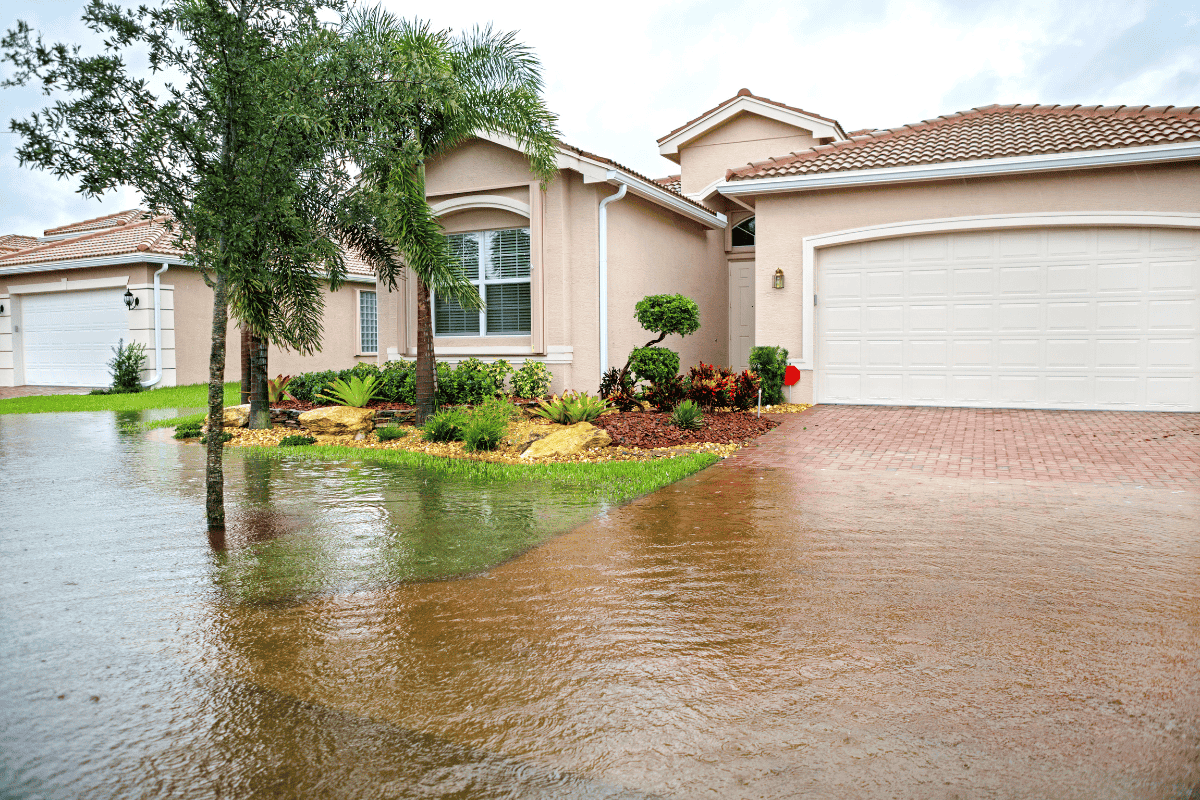
Wind-driven rain during storms can force water through small gaps around windows, doors, and roof penetrations. Slab foundations common in South Florida allow moisture to migrate upward from saturated soil during prolonged rainfall.
Air conditioning systems also contribute. Coastal humidity increases condensation, and when AC drain lines clog or insulation deteriorates, moisture can be released into walls and ceilings without being noticed.
Common Moisture Problems Property Owners Encounter
Property owners in Lighthouse Point often encounter moisture-related issues that seem unrelated at first. Musty odors in specific rooms, peeling paint, or recurring stains are common complaints. Flooring may feel slightly soft, or baseboards may swell or separate from walls.
Other signs include persistent indoor humidity, condensation forming on windows, or AC systems that struggle to keep the home comfortable. In some cases, homeowners notice increased dust or air quality issues caused by damp ductwork.
These symptoms usually indicate moisture buildup that requires proper detection rather than surface repairs.
Hidden Sources of Moisture in Coastal Homes
Some of the most damaging moisture sources are hidden from view. Slow plumbing leaks behind walls or under sinks can feed moisture into framing and insulation for months. Roof flashing failures may only allow water in during specific storm conditions.
Window and door seals degrade faster in coastal environments, allowing rain to enter wall cavities. Poorly insulated ductwork can sweat in humid attics, dripping moisture onto ceilings or insulation.
Past water damage that was never properly dried is another common source. Even if surfaces look dry, trapped moisture can remain active and cause long-term damage.
Why Moisture Often Goes Undetected
Moisture problems are often missed because water does not stay where it enters. It follows gravity, airflow, and building materials, appearing far from the original source.
Property owners may repair visible damage repeatedly without realizing moisture is still present behind walls or under floors. Painting over stains, replacing small sections of drywall, or resealing surfaces without moisture detection allows problems to continue.
In Lighthouse Point’s climate, humidity can mask moisture issues by making everything feel slightly damp, delaying recognition of a real problem.
Professional Moisture Detection Tools and Methods
Professional moisture detection relies on specialized equipment and experience. Moisture meters measure water content inside materials such as drywall, wood, and concrete. These readings help identify abnormal moisture levels even when surfaces appear dry.
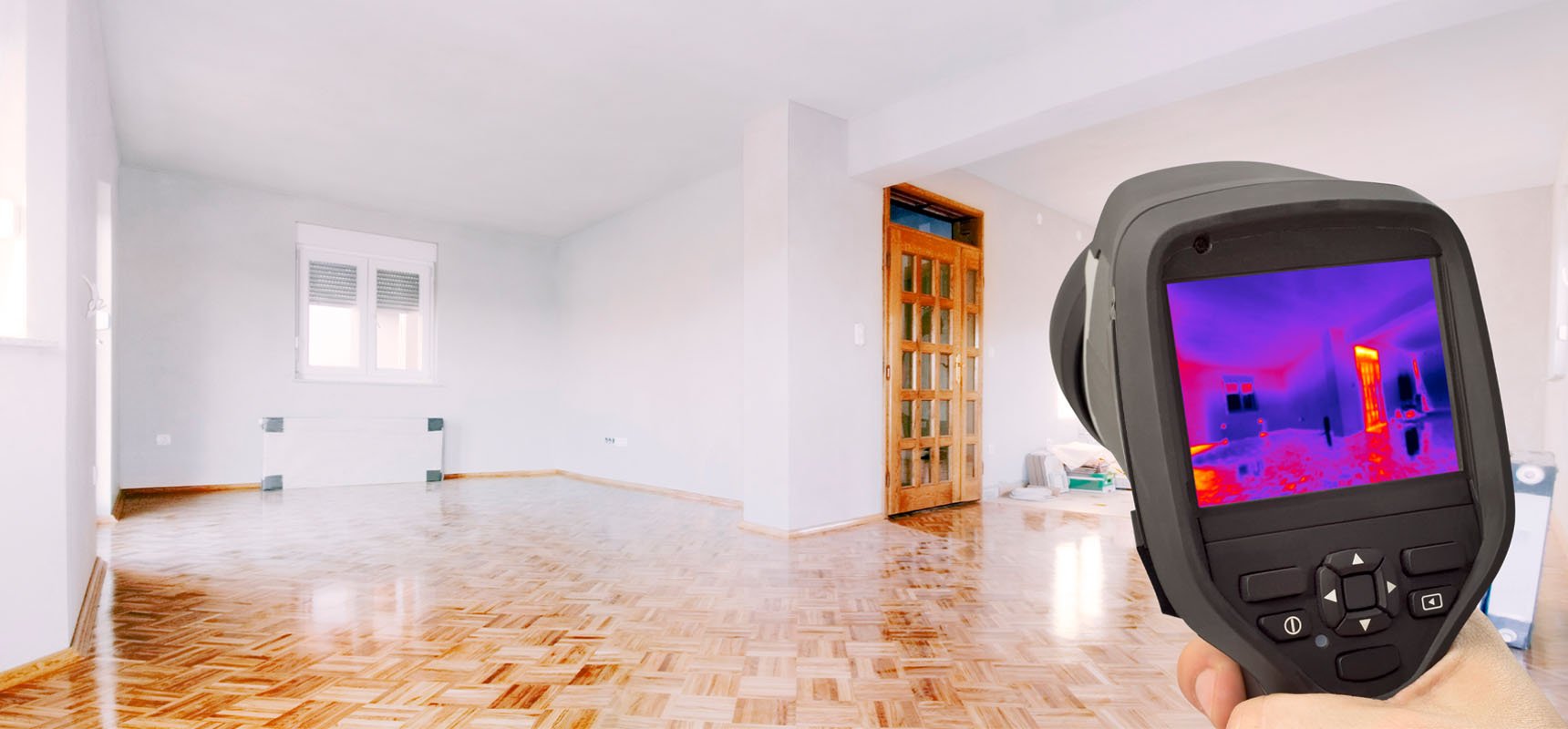
Thermal imaging cameras detect temperature differences caused by damp materials. Because wet areas often hold heat or cool differently, thermal imaging helps locate moisture behind walls, ceilings, and floors.
Visual inspection is also important. Experienced professionals look for patterns in staining, material damage, and airflow that indicate moisture movement. Combining tools with experience produces accurate results.
Step-by-Step Moisture Detection Process Explained
The moisture detection process typically begins with a detailed conversation about the property. Timing matters. Professionals ask when issues appear, whether they worsen during rain, and if there have been previous leaks or repairs.
Next comes a visual inspection to map symptoms such as stains, odors, or damaged materials. Moisture meter readings are taken across affected and surrounding areas to determine how far moisture has spread.
Thermal imaging scans help confirm hidden damp areas and guide targeted testing. When necessary, plumbing or AC components are checked to rule out leaks or condensation issues. The result is a clear understanding of where moisture is coming from and what areas are affected.
How Moisture Detection Supports Mold Prevention
Moisture is the primary condition mold needs to grow. Detecting and correcting moisture early is one of the most effective ways to prevent mold problems in coastal homes.
Without moisture detection, mold may continue developing behind walls or under floors even after surface cleaning. Proper detection allows property owners to dry affected areas fully and correct the source of moisture before mold becomes established.
In Lighthouse Point homes, moisture detection is often paired with mold inspection to ensure indoor environments remain safe and stable.
Moisture Detection After Storms and Water Events
After heavy rain or storm events, moisture detection plays a critical role. Even if there is no visible flooding, wind-driven rain and saturated soil can introduce moisture into homes.
Checking moisture levels after storms helps identify issues early, before odors, mold, or material damage appear. This is especially important for coastal homes exposed to repeated weather events.
Early detection reduces repair costs and limits disruption.
Preventing Moisture Problems in Lighthouse Point Homes
Prevention starts with awareness. Regular inspections of roofs, windows, doors, and plumbing help catch issues early. Maintaining AC systems and keeping condensation lines clear reduces indoor moisture release.
Proper ventilation in bathrooms, kitchens, and laundry areas helps control humidity. Monitoring indoor humidity levels and addressing rooms that feel persistently damp also reduces risk.
After any water intrusion, professional drying and moisture detection should be completed to ensure materials are fully dry.
Why Local Experience Matters
Moisture detection in Lighthouse Point requires an understanding of coastal construction, weather patterns, and humidity behavior. Local professionals recognize how salt air, wind-driven rain, and slab foundations affect moisture movement.
Pompano Mold Inspection and Testing brings experience working throughout Lighthouse Point, Pompano Beach, Lauderdale-by-the-Sea, and surrounding Broward County communities. This local knowledge helps ensure moisture detection focuses on real risks rather than guesswork.
A Practical Perspective for Property Owners
Moisture problems do not fix themselves, and they rarely stay small. Early detection gives property owners clarity and control before damage spreads.
For Lighthouse Point property owners, understanding moisture detection is about protecting the home, preventing mold, and avoiding unnecessary repairs. With the right approach, coastal homes can remain dry, stable, and comfortable despite South Florida’s challenging environment.