
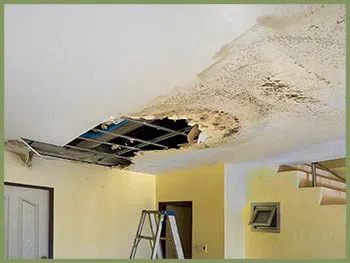
How Mold Inspection and Testing Helps Homes in Deerfield Beach During the Rainy Season
The rainy season in Deerfield Beach doesn’t usually arrive quietly. Heavy downpours, afternoon storms, rising humidity, and saturated ground conditions put constant pressure on homes for months at a time. While some damage is easy to spot, much of the real risk happens out of sight—inside walls, above ceilings, and within HVAC systems.
This is where mold inspection and testing becomes especially important. During the rainy season, moisture problems don’t always show immediate signs, but they create ideal conditions for mold to develop. Mold inspection and testing helps homeowners identify hidden moisture, confirm whether mold is present, and take action before small seasonal issues turn into expensive repairs.
What the Rainy Season Really Does to Homes
Rainy season problems go far beyond visible leaks. In Deerfield Beach, repeated storms expose homes to:
- Wind-driven rain entering roof edges and wall penetrations
- Prolonged high humidity that prevents natural drying
- Saturated soil increasing moisture under slabs
- AC systems running constantly to control heat and humidity
- Temporary power outages that allow moisture to build up
Even when there’s no obvious flooding, these conditions allow moisture to accumulate in building materials that are slow to dry.
Why Deerfield Beach Homes Are at Higher Risk During Rainy Months
Deerfield Beach homes face a unique combination of coastal and seasonal challenges. Several factors increase mold risk during the rainy season:
- High humidity before, during, and after storms
- Frequent rain events that reintroduce moisture
- Warm temperatures that accelerate mold growth
- Attic spaces with limited airflow
- Older roofs, windows, and seals vulnerable to leaks
Moisture doesn’t need to be constant to cause problems. Repeated wet-dry cycles during rainy season are often enough to keep materials damp long enough for mold to develop.
Early Warning Signs Homeowners Notice During Rainy Season
Many homeowners assume rainy-season discomfort is “normal” for South Florida. But certain signs suggest moisture problems that shouldn’t be ignored:
- Musty or earthy odors after rain
- Stains forming on ceilings or walls
- Peeling paint or bubbling drywall
- Condensation around vents and windows
- Rooms that feel damp despite AC use
- Increased indoor humidity readings
These signs often appear days or weeks after storms, once moisture has had time to spread internally.
Hidden Mold Risks That Develop Quietly
One of the biggest dangers during rainy season is hidden mold growth. Mold commonly develops in places homeowners rarely inspect, such as:
- Attic insulation affected by minor roof leaks
- The backside of drywall where moisture enters
- Inside wall cavities near windows or plumbing
- Around recessed lights in ceilings
- Inside air ducts exposed to humid attic air
- Beneath flooring after small leaks or seepage
Because these areas are hidden, mold can grow undetected throughout the rainy season.
Why Visual Checks Aren’t Enough During Rainy Season
After storms, many homeowners do a quick walkthrough and assume everything is fine if there’s no visible water. Unfortunately, visual checks don’t reveal moisture trapped inside materials.
During the rainy season, surfaces can dry while moisture remains locked inside walls, ceilings, and insulation. Mold inspection and testing replaces guesswork with measurable data, confirming whether moisture is still present and whether mold conditions exist.
How Mold Inspection and Testing Works in Rainy Season Conditions
Professional mold inspection and testing during the rainy season focuses on both moisture and mold potential.
Moisture-Focused Inspection
Inspectors evaluate roofs, attics, ceilings, walls, and HVAC systems—areas most affected by rain and humidity. Moisture detection tools identify damp materials even when surfaces feel dry.
Identifying Mold-Friendly Conditions
Even if mold isn’t visible, inspectors look for conditions that support growth, such as elevated moisture levels, poor ventilation, or condensation issues.
Mold Testing When Appropriate
Testing may be recommended when:
- Mold is suspected but not visible
- Musty odors persist during rainy months
- There’s a history of leaks or water intrusion
- Indoor air quality concerns increase during storms
Testing helps determine whether mold is present and whether indoor levels are elevated compared to normal outdoor conditions.
Clear Results and Practical Guidance
Findings are explained clearly, outlining what was found, why it’s happening, and what steps help resolve the issue—whether that’s drying, moisture control, or targeted mold remediation.
The Link Between Rainy Season Moisture and Mold Growth
Mold doesn’t require flooding. It only needs moisture that stays long enough. During Deerfield Beach’s rainy season, moisture can remain trapped because:
- Humidity slows evaporation
- Frequent rain re-wets materials
- AC systems cool air but don’t always remove enough moisture
- Attics and wall cavities lack airflow
Mold inspection and testing helps confirm whether moisture levels have crossed the threshold where mold becomes likely.
How Mold Inspection Supports Water and Moisture Control
Mold inspection and testing often works alongside other moisture-related services during the rainy season.
These may include:
- Moisture detection to locate hidden dampness
- Water removal after leaks or minor flooding
- Identifying areas that need improved ventilation
- Recommending AC or duct-related moisture corrections
Together, these steps help homes recover fully after storms instead of carrying hidden moisture forward into drier months.
HVAC Systems and Rainy Season Mold Concerns
In Deerfield Beach homes, HVAC systems often play a major role in rainy-season mold issues. Common problems include:
- Condensation forming on ductwork
- Clogged condensate drain lines
- Overflowing drain pans
- Musty odors when the AC turns on
If moisture enters the air system, mold can spread throughout the home. Mold inspection often includes evaluating HVAC components and may lead to recommendations for air duct cleaning or AC moisture repairs.
Why Waiting Until “Dry Season” Can Backfire
Some homeowners delay inspections, hoping problems will resolve once the weather improves. Unfortunately, moisture that lingers through rainy season often becomes mold by the time drier months arrive.
Delaying inspection can lead to:
- Hidden mold growth spreading further
- Higher remediation costs later
- Persistent odors that don’t go away
- Reduced indoor air quality
Early inspection during rainy season helps stop problems before they escalate.
Why Local Experience Matters During Rainy Season
Rainy-season mold issues in Deerfield Beach aren’t the same as in other climates. Local experience matters because professionals familiar with South Florida understand how humidity, storms, and building styles interact.
Teams serving Deerfield Beach, Pompano Beach, Lighthouse Point, Margate, Coconut Creek, North Lauderdale, Lauderdale-by-the-Sea, and Fort Lauderdale recognize where rainy-season moisture typically hides. Pompano Mold Inspection and Testing applies this local knowledge to inspections, focusing on accurate detection and realistic prevention.
A Smart, Preventive Step for Homeowners
Mold inspection and testing during the rainy season isn’t about assuming the worst. It’s about confirming whether your home is truly dry inside—not just on the surface.
For Deerfield Beach homeowners, early inspection provides clarity, supports healthier indoor conditions, and helps prevent rainy-season moisture from becoming a year-round problem.