
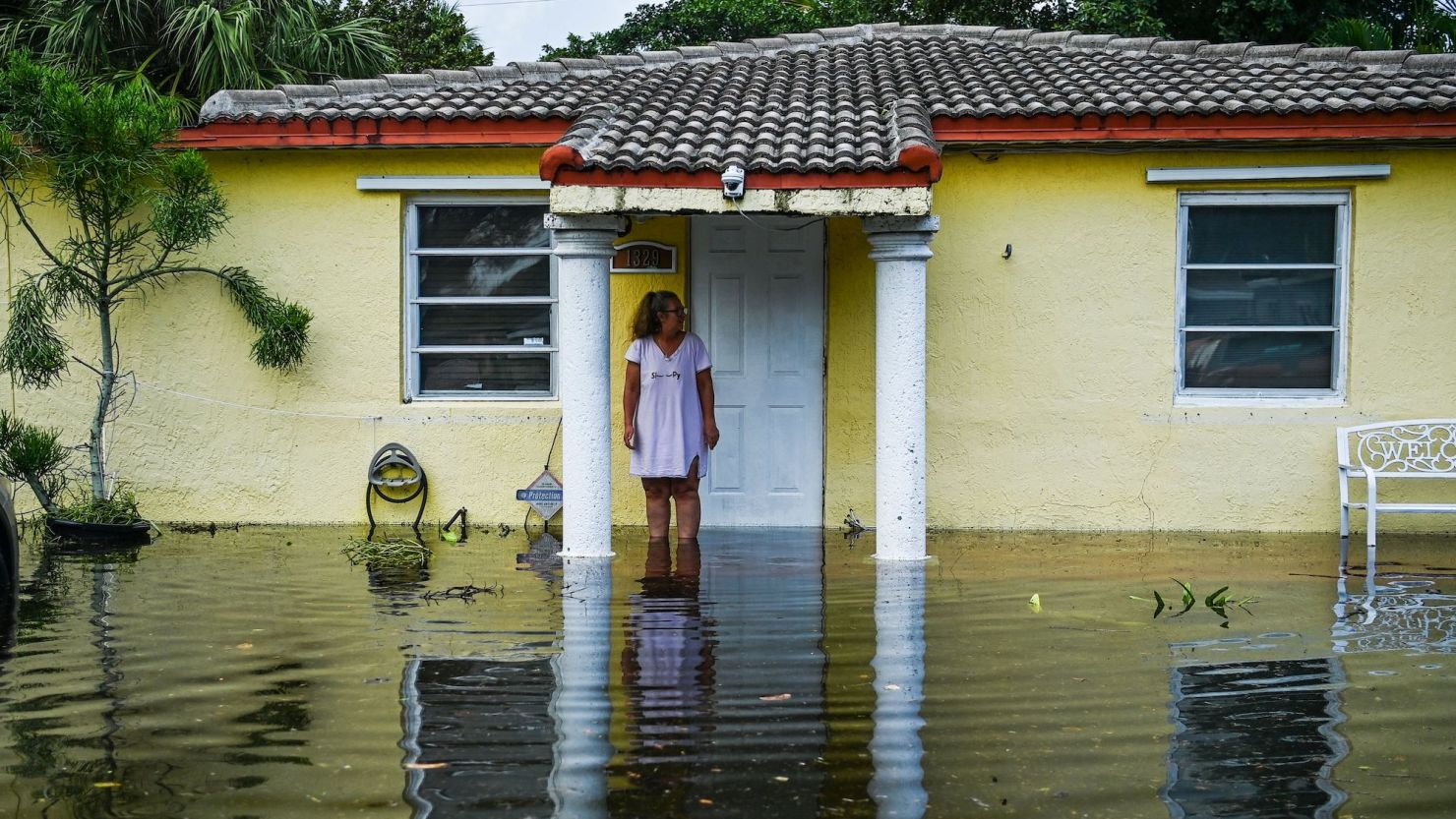
Flood Restoration in Lauderdale-by-the-Sea: Professional Insights
Flooding in Lauderdale-by-the-Sea is rarely just a one-time event. Being a coastal community, homes here face repeated exposure to heavy rain, storm surge, high water tables, and wind-driven moisture. Even when floodwater appears shallow or short-lived, the damage it leaves behind can quietly spread through walls, floors, and structural materials long after the visible water is gone.
Flood restoration in Lauderdale-by-the-Sea isn’t simply about removing water from the floor. It’s a carefully structured process focused on moisture removal, controlled drying, and long-term protection. Understanding how flooding affects coastal homes—and why professional restoration matters—can help homeowners avoid hidden damage, mold growth, and costly repairs down the road.
Why Flooding Is a Serious Risk in Lauderdale-by-the-Sea
Coastal homes experience flooding differently than inland properties. In Lauderdale-by-the-Sea, several local factors increase flood vulnerability:
- Low elevation and flat terrain
- High water tables that slow drainage
- Heavy seasonal rainfall
- Storm surge from coastal weather systems
- Wind-driven rain entering through small openings
- Saturated soil holding moisture near foundations
Because water doesn’t drain quickly, moisture lingers longer inside building materials. That lingering moisture is what turns a short flood into a long-term problem.
What Floodwater Really Does to a Home
Floodwater spreads fast and absorbs deep. Even a few inches of water can affect multiple layers of a home’s structure.
Commonly impacted areas include:
- Flooring and subfloors
- Baseboards and drywall
- Wall insulation
- Cabinets and built-ins
- Electrical outlets near floor level
- HVAC systems and ductwork
What homeowners often don’t realize is that floodwater rarely stays in one place. It travels laterally under flooring, wicks upward into drywall, and settles into insulation where it remains hidden.
Early Warning Signs Flood Damage Is Worse Than It Looks
Many homeowners assume the damage ends once standing water is removed. In reality, deeper issues often appear days or weeks later.
Warning signs include:
- Musty or damp odors developing after cleanup
- Warped or buckling floors
- Bubbling or peeling paint
- Soft or crumbling baseboards
- Persistent indoor humidity
- AC systems struggling to maintain comfort
These signs usually indicate moisture trapped inside materials—not just surface wetness.
Hidden Moisture: The Biggest Flood Restoration Challenge
One of the most dangerous aspects of flood damage is hidden moisture. In coastal homes, water often settles in places that aren’t visible or easily accessible.
Hidden moisture is commonly found:
- Inside wall cavities
- Beneath tile, laminate, or vinyl flooring
- Under cabinets and vanities
- Inside insulation and wood framing
- Around air handlers and duct insulation
Without professional moisture detection and drying, these areas can remain wet for weeks, creating the perfect environment for mold growth and material breakdown.
Why Flood Restoration Is More Than Just Drying
Basic cleanup—mopping, fans, or household dehumidifiers—only addresses surface moisture. Flood restoration goes far beyond that.
Professional flood restoration focuses on:
- Removing trapped water, not just visible water
- Drying structural materials thoroughly
- Controlling humidity levels during drying
- Preventing secondary damage like mold
- Verifying dryness with moisture measurements
In Lauderdale-by-the-Sea’s humid climate, skipping these steps almost guarantees lingering problems.
The Professional Flood Restoration Process Explained
Flood restoration follows a step-by-step process designed to restore the home safely and completely.
Inspection and Moisture Mapping
Restoration begins with a detailed inspection. Moisture detection tools identify where water has traveled, even in areas that look dry. This creates a moisture map that guides the drying process.
Water Removal and Extraction
Standing water and absorbed moisture are removed using professional extraction equipment. This may include removing water from flooring, padding, insulation, and structural components.
Structural Drying and Dehumidification
Commercial-grade air movers and dehumidifiers are placed strategically to dry affected areas. Controlled drying is critical in coastal environments to prevent moisture from lingering in the air.
Selective Material Removal
Materials that cannot be dried safely—such as heavily saturated drywall or insulation—are removed to eliminate moisture sources and prevent future damage.
Monitoring and Verification
Moisture levels are monitored throughout the process until they return to safe ranges. Restoration is not complete until dryness is confirmed, not assumed.
Flood Restoration and Mold Prevention
Flooding and mold are closely linked. Mold does not require standing water—only moisture that stays long enough.
Flood restoration helps prevent mold by:
- Removing moisture before mold can grow
- Drying hidden areas thoroughly
- Reducing indoor humidity
- Supporting mold inspection and testing when needed
Early restoration significantly reduces the likelihood of mold remediation later.
HVAC Systems and Flood Damage in Coastal Homes
HVAC systems are often overlooked during flood recovery, yet they play a major role in post-flood problems.
Common HVAC-related flood issues include:
- Wet duct insulation
- Contaminated air handlers
- Clogged condensate drain lines
- Musty odors when the AC runs
Flood restoration often includes inspecting HVAC components and recommending air duct cleaning or AC moisture repairs to prevent ongoing contamination.
Why Delaying Flood Restoration Makes Damage Worse
Waiting to address flood damage rarely saves money. In fact, delays often increase repair costs.
Delaying restoration can lead to:
- Mold growth in hidden areas
- Structural weakening of materials
- Persistent odors that are hard to eliminate
- More extensive demolition later
- Reduced indoor air quality
In a coastal climate, moisture problems escalate quickly when left untreated.
Common Mistakes Homeowners Make After Flooding
Even well-intentioned actions can make flood damage worse.
Common mistakes include:
- Assuming surfaces drying means the home is dry
- Covering damage before moisture testing
- Running the AC too early, spreading moisture
- Removing materials without proper drying
- Ignoring attic or wall moisture
Professional guidance helps avoid these costly errors.
Prevention Strategies After Flood Restoration
Flood restoration doesn’t end when the home is dry. Long-term protection involves addressing why flooding occurred.
Helpful prevention steps include:
- Improving drainage around the home
- Sealing exterior openings
- Maintaining roofs, windows, and doors
- Monitoring indoor humidity
- Scheduling periodic moisture inspections
These steps help reduce the risk of repeat flood damage.
Why Local Experience Matters in Lauderdale-by-the-Sea
Flood restoration in Lauderdale-by-the-Sea is not the same as restoration inland. Coastal humidity, building styles, and drainage challenges require specialized knowledge.
Professionals familiar with Lauderdale-by-the-Sea understand:
- How coastal flooding spreads
- Where moisture typically hides
- How humidity affects drying timelines
- Which materials are most vulnerable
Teams serving Lauderdale-by-the-Sea, Pompano Beach, Lighthouse Point, Deerfield Beach, Margate, Coconut Creek, North Lauderdale, and Fort Lauderdale recognize these patterns quickly. Pompano Mold Inspection and Testing applies this local expertise to flood restoration projects, focusing on thorough drying and long-term protection rather than quick cosmetic fixes.
A Calm, Professional Path Forward
Flooding is overwhelming, especially in a coastal community where water issues feel unavoidable. Proper flood restoration brings structure and clarity to the recovery process.
For homeowners in Lauderdale-by-the-Sea, professional flood restoration ensures moisture is fully addressed, hidden damage is uncovered, and the home is restored safely. When done correctly, it doesn’t just repair flood damage—it helps protect the home from future moisture problems and restores confidence in the space you live in.