
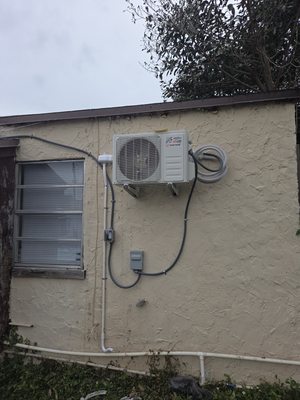

In Coconut Creek, air conditioning systems work hard almost year-round. Between high humidity, warm temperatures, and long cooling cycles, AC units produce a significant amount of condensation every single day. Under normal conditions, that moisture drains away safely. When something goes wrong, however, condensation can quietly leak into walls, ceilings, floors, and insulation—often without homeowners noticing until damage has already started.
This is where water testing becomes incredibly valuable. Water testing helps identify hidden moisture caused by AC condensation, confirms whether water exposure is ongoing, and prevents small HVAC issues from turning into mold growth, structural damage, or indoor air quality problems. For Coconut Creek homeowners, understanding how water testing works—and why it matters—can make a major difference in protecting the home.
Why AC Condensation Is a Common Problem in Coconut Creek Homes
Air conditioners naturally remove humidity from indoor air. That moisture collects on the evaporator coil and drains through a condensate line. In Coconut Creek homes, several local factors make condensation issues more likely:
- High humidity levels most of the year
- Long AC run times with few breaks
- Aging HVAC systems and components
- Air handlers located in closets, garages, or attics
- Ductwork running through hot attic spaces
Even a minor issue—such as a partially clogged drain line or poorly insulated duct—can release water slowly and continuously. Over time, that moisture spreads into surrounding materials.
How AC Condensation Turns into a Water Problem
Unlike plumbing leaks or flooding, AC condensation problems develop gradually. Water often seeps instead of spills, making it harder to detect early.
Common AC-related water issues include:
- Clogged or slow condensate drain lines
- Cracked or rusted drain pans
- Frozen coils that thaw and overflow
- Poor insulation around air handlers or ducts
- Improper installation or slope of the drain line
When condensation escapes the system, it doesn’t always create a visible puddle. Instead, it absorbs into drywall, flooring, baseboards, and insulation—creating hidden water damage.
Early Warning Signs Homeowners Often Miss
Because AC condensation damage builds slowly, many homeowners dismiss early signs or assume they’re temporary.
Common warning signs include:
- Musty or damp odors near AC units or vents
- Staining on walls, ceilings, or floors near air handlers
- Peeling paint or bubbling drywall
- Increased indoor humidity despite normal AC operation
- Soft or warped flooring near AC closets
- Mold appearing without a clear source
These signs often indicate moisture is present inside materials—even if surfaces feel dry.
Why Visual Inspections Aren’t Enough
One of the biggest challenges with AC condensation damage is that it hides well. Moisture can remain trapped behind walls or beneath flooring long after visible signs fade.
Visual inspections fall short because:
- Surfaces can dry while internal materials stay wet
- Condensation spreads beyond the visible area
- Odors may come and go with AC cycles
- Moisture levels can fluctuate throughout the day
Water testing provides measurable confirmation instead of guesswork.
What Water Testing Really Does in AC Condensation Cases
Water testing in homes goes beyond checking drinking water. In AC condensation situations, water testing focuses on identifying moisture presence, movement, and persistence.
Water testing helps by:
- Confirming whether water exposure is active or residual
- Identifying hidden moisture inside walls, floors, and ceilings
- Distinguishing condensation issues from plumbing leaks
- Supporting decisions about drying, repairs, or further inspection
In Coconut Creek homes, water testing is often paired with moisture detection to build a complete picture of the problem.
How Professional Water Testing Works
Water testing for AC condensation issues follows a structured process designed to uncover hidden problems.
Inspection and Assessment
The process begins with a detailed inspection of HVAC systems, surrounding walls, ceilings, and flooring. Areas near air handlers, vents, and drain lines receive special attention.
Moisture Detection and Testing
Specialized tools measure moisture levels inside building materials. These tools help locate damp areas that appear dry on the surface.
Source Identification
Testing helps determine whether moisture is coming from AC condensation, plumbing, humidity buildup, or another source. This step is critical for effective repairs.
Clear Results and Guidance
Findings are explained clearly, outlining what was detected, why it matters, and what steps should be taken next—whether that involves drying, HVAC repairs, or monitoring.
Hidden Damage Water Testing Can Reveal
Water testing often uncovers problems homeowners never suspected.
Common hidden issues include:
- Moist drywall behind AC closets
- Wet insulation around air handlers
- Condensation inside duct insulation
- Water damage beneath flooring near HVAC systems
- Moisture trapped in wall cavities
Without testing, these problems can continue unnoticed, increasing repair costs and mold risk.
The Link Between Water Testing and Mold Prevention
Mold does not require flooding—only moisture that stays long enough. AC condensation provides a steady moisture source when left unaddressed.
Water testing helps prevent mold by:
- Identifying moisture early
- Supporting mold inspection and testing decisions
- Confirming whether drying was effective
- Preventing recurring mold after cleanup
In many Coconut Creek homes, water testing is the step that stops condensation issues before mold remediation becomes necessary.
HVAC Systems and Ongoing Water Issues
If the HVAC issue causing condensation is not corrected, water problems will return—even after drying or repairs.
Common HVAC contributors include:
- Clogged condensate drain lines
- Improper airflow balance
- Poor duct insulation
- Oversized or undersized systems
Water testing helps confirm whether moisture has truly stopped after HVAC adjustments.
Why DIY Checks Often Miss the Problem
Homeowners often try to diagnose condensation issues themselves by touching surfaces or running fans. Unfortunately, these methods rarely tell the full story.
DIY checks fail because:
- Hidden moisture isn’t detected
- Fans don’t remove absorbed water
- Outdoor humidity can worsen the issue
- There’s no verification that materials are dry
Professional water testing relies on measurement, not assumptions.
Preventing AC Condensation Water Problems
Homeowners in Coconut Creek can reduce the risk of AC-related water damage with proactive steps:
- Schedule regular AC maintenance
- Keep condensate drain lines clear
- Inspect air handler areas periodically
- Monitor indoor humidity levels
- Address musty odors promptly
- Avoid ignoring small stains or discoloration
Early action significantly reduces the need for extensive water removal or restoration.
Why Local Experience Matters in Coconut Creek
AC condensation issues in Coconut Creek are shaped by local humidity, building styles, and HVAC usage patterns. Professionals familiar with the area understand where condensation problems typically appear and how moisture spreads in South Florida homes.
Teams serving Coconut Creek, Pompano Beach, Lighthouse Point, Deerfield Beach, Margate, North Lauderdale, Lauderdale-by-the-Sea, and Fort Lauderdale recognize these patterns quickly. Pompano Mold Inspection and Testing applies this local knowledge to water testing services, focusing on accurate detection and long-term prevention.
A Smart, Preventive Step for Homeowners
If your Coconut Creek home shows signs of moisture near AC systems—whether through odors, stains, or unexplained humidity—water testing is not an overreaction. It’s a practical way to confirm what’s happening before damage spreads.
Professional water testing helps identify hidden moisture, guide effective repairs, and prevent condensation-related problems from escalating. In a climate where AC systems run constantly, early water testing is one of the most effective tools homeowners have to protect their homes and maintain peace of mind.