
Early Signs You Should Not Ignore: Mold Inspection in Deerfield Beach During the Rainy Season
The rainy season in Deerfield Beach brings more than afternoon storms and higher humidity. It also creates ideal conditions for mold growth inside residential homes. Prolonged rain, saturated soil, roof stress, and nonstop air conditioning all contribute to moisture problems that often go unnoticed until damage has already spread. For homeowners, understanding the early signs that point to a mold inspection can make the difference between a manageable issue and a long-term problem.
In Deerfield Beach and nearby communities like Pompano Beach, Lighthouse Point, Margate, and Lauderdale-by-the-Sea, mold problems tend to increase during the rainy season. Moisture enters homes in subtle ways, and mold often develops out of sight. Knowing what warning signs to look for helps homeowners take action early, protect their property, and avoid repeated moisture-related damage.
Why the Rainy Season Increases Mold Risk in Deerfield Beach
Deerfield Beach experiences heavy rainfall over short periods during the rainy season. This consistent exposure places pressure on roofs, windows, doors, and foundations. Even minor weaknesses can allow water to enter the structure.
Saturated soil around slab foundations increases moisture migration into flooring systems and walls. High outdoor humidity makes it harder for indoor spaces to dry naturally, especially when windows remain closed and air conditioning runs constantly.
Air conditioning systems work overtime during the rainy season, producing large amounts of condensation. When drain lines clog or insulation deteriorates, moisture is released into walls, ceilings, and air handler closets. These combined factors create the perfect environment for mold growth.
What Mold Inspection Really Involves
Mold inspection is a professional evaluation designed to determine whether mold is present and whether conditions exist that support its growth. It is not limited to visible mold spots.
A proper inspection focuses on moisture sources, hidden areas, and airflow patterns throughout the home. Since mold cannot grow without moisture, identifying damp materials is just as important as identifying mold itself.
For Deerfield Beach homeowners, mold inspection provides clear answers instead of assumptions, especially during the rainy season when moisture problems are more common.
Musty Odors That Appear or Worsen After Rain
One of the earliest and most overlooked signs of mold is a persistent musty odor. During the rainy season, homeowners may notice smells that become stronger after storms or when the AC runs.
These odors often come from hidden mold growth inside wall cavities, under flooring, or within ductwork. Even if no visible mold is present, musty smells indicate moisture and microbial activity.
Ignoring odors allows mold conditions to continue developing behind the scenes.
Recurring Stains on Ceilings or Walls
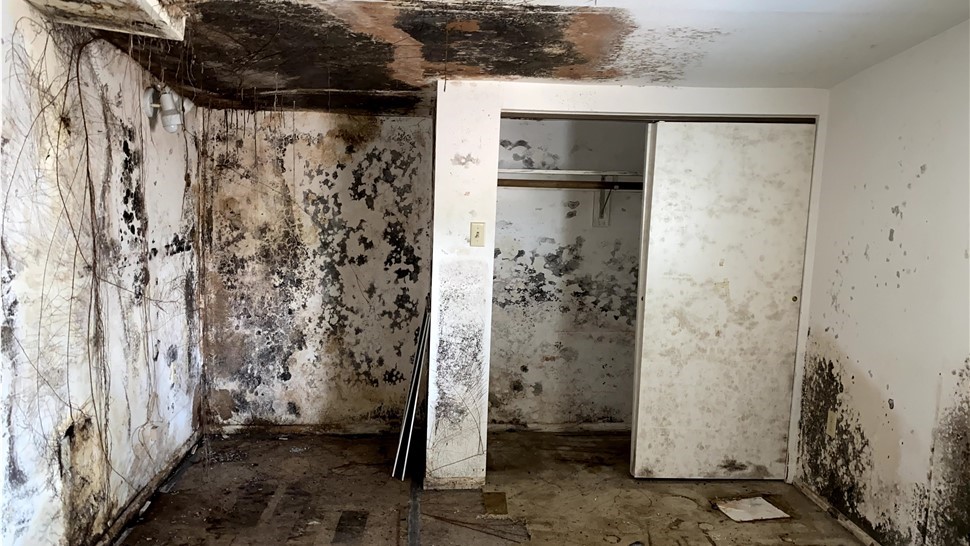
Stains that appear or reappear during the rainy season should never be ignored. Yellow, brown, or gray discoloration on ceilings or walls often indicates water intrusion from roof leaks or exterior moisture.
Homeowners sometimes repaint stained areas, only to see the stains return after the next storm. This is a strong sign that moisture remains trapped inside the structure and may be supporting mold growth.
Mold inspection helps determine whether moisture has spread beyond the visible stain.
Peeling Paint and Bubbling Drywall
Paint and drywall react quickly to moisture. During the rainy season, homeowners may notice paint peeling, bubbling, or separating from walls. Drywall may feel soft or appear swollen.
These symptoms often indicate moisture inside wall cavities rather than surface humidity alone. When drywall remains damp, it creates an ideal environment for mold growth behind walls.
Professional inspection identifies whether mold is present and how far moisture has spread.
Increased Indoor Humidity and Condensation
If indoor spaces feel more humid during the rainy season despite the AC running, moisture may be entering the home. Condensation forming on windows, vents, or walls is another warning sign.
Persistent humidity suggests that moisture is being introduced faster than it can be removed. This imbalance often leads to mold growth in hidden areas such as closets, behind furniture, or inside duct systems.
Mold inspection during the rainy season helps pinpoint the source of excess humidity.
Allergic-Like Symptoms That Appear Indoors
While mold inspection does not involve medical diagnosis, many homeowners report increased discomfort indoors during the rainy season. This may include irritation, headaches, or general discomfort that improves when leaving the home.
These reports often coincide with musty odors, humidity issues, or visible moisture damage. While symptoms alone do not confirm mold, they are often associated with poor indoor conditions linked to moisture.
Inspection helps determine whether mold or moisture issues are contributing factors.
Hidden Areas Where Mold Commonly Develops
During the rainy season, mold often grows in areas homeowners rarely inspect. Wall cavities behind bathrooms and kitchens are common due to plumbing and frequent moisture use. Attics can trap humid air and roof leaks, creating ideal conditions for mold.
Air conditioning systems and ductwork are also high-risk areas. Condensation inside ducts or air handlers can support mold growth that spreads through airflow.
Carpet padding, insulation, and areas beneath flooring may also harbor mold after prolonged moisture exposure.
Why Visual Checks Are Not Enough
Many mold problems remain hidden until they become severe. Visual inspection alone cannot detect mold inside walls, ceilings, or insulation.
Home test kits and surface cleaning provide limited information and often miss the true source of the problem. Without moisture detection and professional evaluation, mold conditions may continue even after visible areas appear clean.
Mold inspection during the rainy season focuses on identifying hidden risks before they escalate.
How Mold Inspection Is Performed
A professional mold inspection begins with a discussion about recent rain events, leaks, odors, and changes noticed during the rainy season. Patterns help identify likely moisture sources.
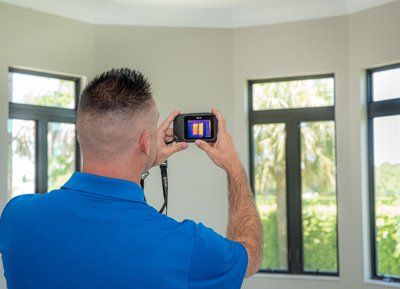
The inspection includes visual evaluation of moisture-prone areas, followed by moisture meter readings to detect damp materials. Thermal imaging may be used to locate hidden moisture behind walls or ceilings.
When appropriate, air or surface sampling may be performed to support findings. The goal is to understand both current mold conditions and future risk.
The Connection Between Mold Inspection and Moisture Control
Mold inspection and moisture control work together. Identifying mold without correcting moisture leads to recurring problems.
Inspection findings often highlight issues such as roof leaks, condensation problems, poor ventilation, or past water damage that was never fully dried. Addressing these issues is essential for long-term prevention.
During the rainy season, this combined approach is especially important.
Preventing Mold Problems During the Rainy Season
Prevention starts with awareness. Monitoring for early signs after storms helps catch problems quickly. Keeping gutters clear, maintaining roofs, and ensuring proper drainage reduce water intrusion risk.
Regular AC maintenance, including clearing condensate lines and checking insulation, helps manage indoor moisture. Using dehumidification when needed also supports moisture control.
Follow-up inspections after leaks or flooding ensure materials are fully dry.
Why Local Experience Matters
Mold inspection in Deerfield Beach during the rainy season requires understanding local weather patterns, construction styles, and moisture behavior. Coastal humidity, slab foundations, and storm-driven rain all influence how mold develops.
Pompano Mold Inspection and Testing brings experience working throughout Deerfield Beach, Pompano Beach, Lighthouse Point, Margate, and surrounding Broward County communities. Local knowledge ensures inspections focus on real seasonal risks rather than generic assumptions.
A Practical Takeaway for Homeowners
The rainy season increases mold risk, but problems do not have to escalate. Early signs such as odors, stains, and humidity changes should never be ignored.
For Deerfield Beach homeowners, mold inspection during the rainy season provides clarity and protection. By identifying moisture issues early and addressing hidden risks, homes remain safe, comfortable, and resilient throughout Florida’s most challenging months.