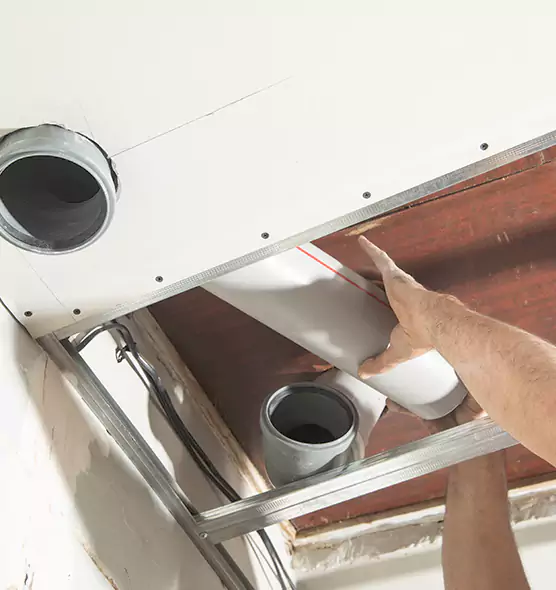
Property Owner Guide to Flood Restoration in Coconut Creek
Flooding can be one of the most disruptive events for a homeowner or property manager. In Coconut Creek, heavy seasonal rains, tropical storms, plumbing failures, and drainage problems can quickly lead to water entering homes. Even when water appears to recede quickly, moisture often remains in walls, flooring, insulation, and duct systems, where it can continue causing damage.
Understanding how flood restoration works helps property owners respond quickly, protect their investment, and restore a safe indoor environment.
What Flood Restoration Means
Flood restoration is the process of returning a property to a clean, dry, and stable condition after water intrusion. It involves more than simply removing visible water. Moisture can spread into structural materials, and without proper drying and monitoring, it can lead to long-term damage.
Flood restoration usually includes:
- Water extraction
- Structural drying and dehumidification
- Cleaning and sanitation
- Repairing damaged materials
- Moisture monitoring
Each step is important for preventing secondary damage and restoring the home safely.
Why Flooding Happens So Often in Coconut Creek
Coconut Creek, like many Broward County communities, experiences environmental conditions that increase flood risk.
Heavy seasonal rainfall
Storm systems can produce large amounts of rain in short periods, overwhelming drainage systems.
Flat terrain
Water drains more slowly in flat areas, increasing the chance of pooling near foundations.
High humidity
Moisture in the air slows drying and allows water damage to persist longer.
Roof and plumbing issues
Leaks that may go unnoticed in dry weather can worsen during storms.
Because these conditions are common in South Florida, flood restoration is an important service for both homeowners and landlords.
Common Signs of Flood and Water Damage
Some flood damage is obvious, but other signs develop gradually as moisture spreads.
Property owners often notice:
- Warped or buckling floors
- Damp carpets or rugs
- Peeling paint or swollen drywall
- Musty odors
- Water stains on ceilings or walls
- Increased indoor humidity
These signs often indicate that moisture remains inside the structure, even if surfaces appear dry.
Hidden Areas Where Flood Damage Can Spread
Water travels easily through porous materials and small gaps, so flood damage often extends beyond the areas that were visibly wet.
Hidden moisture is commonly found in:
- Insulation behind walls
- Subflooring beneath tile or laminate
- Baseboards and wall cavities
- Cabinets and storage spaces
- Air ducts and HVAC components
Without proper inspection, moisture in these areas can remain for weeks and lead to further problems.
Why DIY Flood Cleanup Is Often Not Enough
Many property owners begin cleanup using towels, fans, or household wet vacuums. While these methods can remove surface water, they rarely address moisture trapped in structural materials.
DIY cleanup often misses:
- Moisture inside walls and flooring
- Elevated humidity levels
- Contaminants carried by floodwater
- Slow drying in enclosed spaces
Professional drying equipment and moisture monitoring help ensure that all affected materials are properly dried.
Professional Flood Inspection and Assessment
The first step in flood restoration is determining how far water has spread. This assessment helps guide the drying and repair process.
A professional inspection often includes:
- Visual inspection of affected areas
- Moisture meter readings in walls and floors
- Thermal imaging to detect hidden moisture
- Checking HVAC systems and ducts
- Evaluating humidity levels
A thorough assessment ensures that restoration addresses all affected materials, not just visible damage.
Local companies such as Pompano Mold Inspection and Testing often combine flood inspections with moisture detection and mold assessments to provide a complete evaluation.
Water Extraction and Drying Process
After inspection, the next step is removing water and drying the structure.
The drying process typically involves:
- Pumping or extracting standing water
- Using high-powered air movers
- Operating industrial dehumidifiers
- Monitoring moisture levels regularly
Drying may take several days depending on the extent of the damage and the materials affected. Careful monitoring ensures that moisture levels return to safe ranges.
Cleaning and Sanitizing After Flooding
Floodwater may contain dirt, bacteria, and other contaminants. Cleaning and sanitation are essential steps in restoring the home safely.
This stage may include:
- Cleaning and disinfecting affected surfaces
- Removing materials that cannot be safely cleaned
- Treating areas to control odors and microbial growth
Proper cleaning helps restore indoor air quality and reduce long-term issues.
Repairing Flood-Damaged Materials
Once drying is complete, repairs may be necessary to restore the property.
Repairs often include:
- Replacing damaged drywall or insulation
- Repairing or replacing flooring
- Restoring cabinets or trim
- Repainting or refinishing surfaces
Addressing repairs promptly helps maintain the structure and appearance of the home.
Air Ducts, AC Systems, and Flood Moisture
HVAC systems can be affected during flooding, especially when humidity rises or water reaches ductwork. Moisture inside ducts may lead to odors or reduced airflow.
During restoration, technicians often:
- Inspect ducts for moisture
- Dry or clean affected sections
- Check AC components and drain systems
Maintaining the HVAC system after flooding helps prevent long-term air quality problems.
How Property Owners Can Reduce Future Flood Risks
While storms cannot be prevented, several practical steps can reduce the impact of future flooding.
Helpful measures include:
- Keeping gutters and drainage systems clear
- Inspecting roofs and plumbing regularly
- Sealing windows and exterior openings
- Ensuring proper grading around foundations
- Installing moisture alarms in vulnerable areas
Routine maintenance and seasonal inspections are among the most effective ways to reduce water damage risks.
Why Local Experience Matters
Flood restoration in Coconut Creek requires an understanding of local building methods, weather patterns, and humidity levels. Homes in nearby areas such as Margate, North Lauderdale, Deerfield Beach, Lighthouse Point, Lauderdale-by-the-Sea, Pompano Beach, and Fort Lauderdale face similar challenges.
Professionals familiar with Broward County conditions understand:
- Seasonal storm patterns
- Common moisture entry points
- Drying methods that work in humid climates
- Structural materials commonly used in local homes
This local knowledge helps ensure restoration is thorough and effective.
A Practical Next Step for Property Owners
Flooding can feel overwhelming, but restoration becomes manageable when handled step by step. Early inspection, proper drying, and timely repairs help protect the structure and reduce the chance of long-term problems.
If a property in Coconut Creek experiences flooding or water intrusion, acting quickly and focusing on thorough restoration is the best way to return the home to a safe, dry condition and prevent future complications.