Why Carpet Cleaning After Water Damage Matters in Pompano Beach from AC Condensation
In Pompano Beach, air conditioning systems run for much of the year. While AC units keep homes cool and comfortable, they also produce condensation. When drainage lines clog, drip pans overflow, or humidity levels rise, this moisture can reach flooring and carpets. What may begin as a small damp area can quickly turn into a larger issue if not addressed properly.
Carpet cleaning after water damage is more than a cosmetic step—it plays an important role in protecting indoor air quality, preventing mold growth, and preserving the condition of the home.
How AC Condensation Leads to Carpet Damage
Air conditioners remove moisture from indoor air, and that moisture collects as condensation. Normally, it drains safely outside. Problems occur when:
- Condensate drain lines become clogged
- Drain pans overflow
- Air handlers leak
- High humidity slows evaporation
When water reaches carpets, it spreads quickly through fibers and padding. Because carpet materials are absorbent, moisture often remains trapped even after the surface feels dry.
Why This Is Common in Pompano Beach Homes
Several local factors increase the likelihood of carpet damage from AC condensation.
High humidity levels
Moist air slows drying and allows carpets to stay damp longer.
Continuous AC operation
Systems run for extended periods, increasing condensation production.
Storm-related humidity spikes
Summer storms and heavy rain raise indoor humidity, making condensation problems more likely.
Duct and attic conditions
Condensation may form in ducts and drip into ceilings or walls, eventually reaching flooring.
These conditions make prompt carpet cleaning and drying essential in Broward County homes.
Early Signs Carpet Has Been Affected
Carpet water damage does not always appear obvious at first. Property owners often notice small warning signs before visible staining or deterioration develops.
Common signs include:
- Damp or cool spots on carpet
- Musty or damp odors
- Carpet fibers flattening or matting
- Slight discoloration
- Increased indoor humidity
These signs usually indicate moisture trapped beneath the surface.
Hidden Moisture Beneath Carpets
One of the biggest concerns after water exposure is what cannot be seen. Carpet padding and subfloor materials absorb water easily, and moisture can remain trapped long after the top layer dries.
Hidden moisture may be found in:
- Carpet padding
- Wooden or concrete subfloors
- Baseboards and wall cavities
- Insulation near HVAC closets
If these areas are not dried properly, odors and mold growth may develop.
Why Carpet Cleaning After Water Damage Matters
Cleaning carpets after water damage is important for several reasons.
Prevents mold growth
Warm, humid conditions allow mold to develop quickly in damp carpet fibers and padding.
Protects indoor air quality
Damp carpets often produce musty odors and airborne particles.
Preserves carpet lifespan
Proper cleaning and drying can prevent fibers from deteriorating or separating.
Reduces structural damage
Drying carpets also helps protect subfloors and nearby materials.
Taking action early often prevents more extensive restoration later.
Why DIY Drying Often Falls Short
Homeowners sometimes attempt to dry carpets using fans, towels, or household dehumidifiers. While these methods may remove some surface moisture, they often do not reach deeper layers.
DIY drying may miss:
- Moisture trapped in padding
- Humidity remaining in the room
- Uneven drying that leads to odors
- Hidden dampness near walls and baseboards
Professional drying equipment is designed to remove moisture more thoroughly and monitor progress.
How Professional Carpet Cleaning and Drying Works
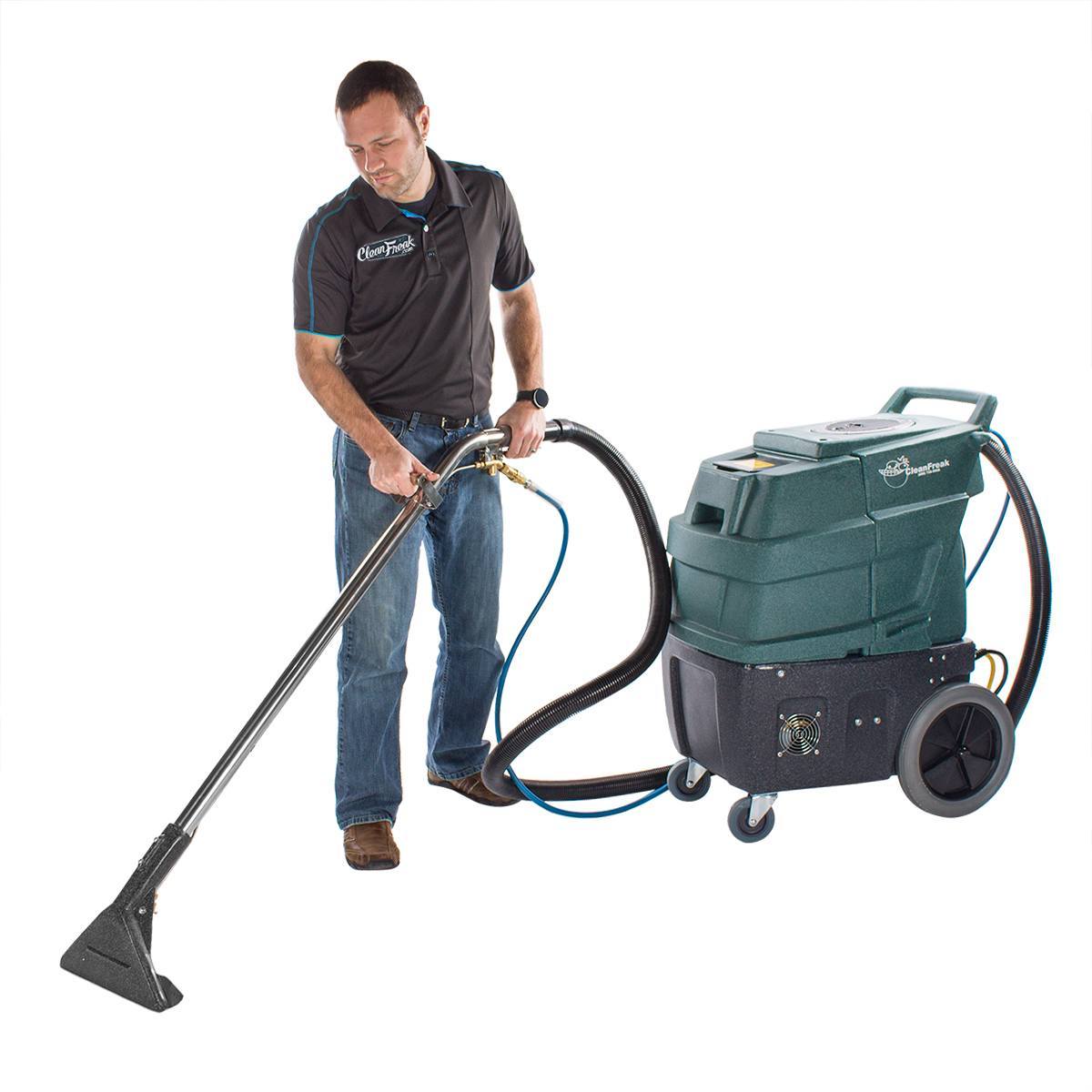
A professional carpet restoration process focuses on both cleaning and drying.
Typical steps include:
- Inspecting the affected area to determine the extent of moisture
- Extracting water from carpet and padding
- Using high-powered air movers and dehumidifiers
- Cleaning and sanitizing carpet fibers
- Monitoring moisture levels until drying is complete
Local specialists such as Pompano Mold Inspection and Testing often combine moisture detection and drying to ensure no hidden dampness remains.
The Role of HVAC Systems in Moisture Control
Air conditioning systems play a major role in drying indoor spaces. When functioning properly, AC units help remove humidity from the air. However, clogged drain lines, dirty coils, or restricted airflow can increase humidity and slow drying.
Routine HVAC maintenance helps:
- Prevent condensation leaks
- Improve airflow
- Maintain proper humidity levels
Regular inspections help reduce the risk of carpet water damage in the future.
When Carpet Replacement May Be Necessary
In some cases, carpets cannot be fully restored. Replacement may be recommended when:
- Water damage has been present for an extended time
- Padding has deteriorated or developed persistent odors
- Mold growth has affected underlying materials
- Contaminated water has soaked the carpet
A professional inspection helps determine whether cleaning or replacement is the better option.
Practical Prevention Tips for Homeowners
Property owners in Pompano Beach can reduce the risk of carpet water damage by following a few simple steps.
Maintain AC systems regularly
Check condensate drain lines and drip pans periodically.
Monitor indoor humidity
Keeping humidity between 40% and 55% helps carpets dry more effectively.
Inspect HVAC closets and ceilings
Look for early signs of condensation or leaks.
Respond quickly to damp areas
Early drying prevents moisture from spreading.
Schedule periodic moisture inspections
Routine checks help detect hidden issues before damage occurs.
These preventive steps often make a noticeable difference.
Why Local Experience Matters
Carpet drying and water damage restoration in Pompano Beach require an understanding of coastal humidity and building conditions. Homes in nearby areas such as Lighthouse Point, Deerfield Beach, Margate, Coconut Creek, North Lauderdale, Lauderdale-by-the-Sea, and Fort Lauderdale face similar environmental challenges.
Professionals familiar with Broward County homes understand:
- Seasonal humidity patterns
- Common moisture entry points
- Effective drying methods in humid climates
- Typical flooring and subfloor materials
This local knowledge helps ensure carpet cleaning and drying are thorough and effective.
A Practical Next Step for Homeowners
Carpet water damage from AC condensation can seem minor at first, but moisture left untreated often leads to larger problems. Early cleaning and proper drying help protect flooring, improve indoor air quality, and prevent mold growth.
If carpets feel damp, odors develop, or humidity levels rise, investigating the cause and drying the area promptly is one of the best ways to keep homes in Pompano Beach comfortable and well maintained.