Understanding Mold Inspection in Coconut Creek: Professional Insights
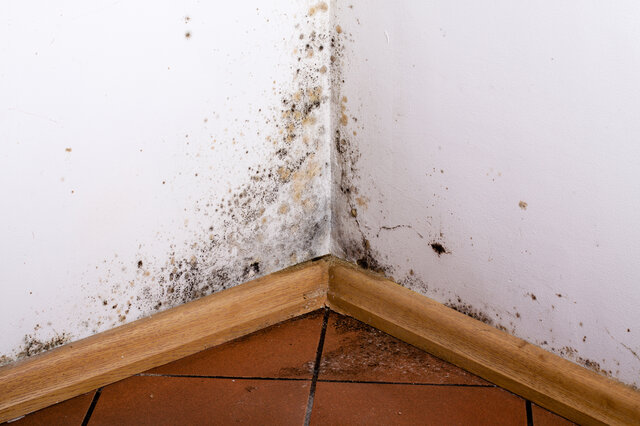
Mold is a common concern for homeowners in Coconut Creek, where warm temperatures, high humidity, and seasonal storms create conditions that allow moisture to accumulate indoors. Mold problems often begin quietly, developing in hidden areas long before visible growth appears. By the time odors or stains become noticeable, moisture may already be affecting structural materials.
Mold inspection helps property owners identify potential problems early, understand the extent of moisture issues, and take the right steps to prevent further damage. Knowing how the inspection process works can make it easier to protect a home and maintain healthy indoor conditions.
What Mold Inspection Involves
A mold inspection is a detailed evaluation of a property to determine whether mold is present and what conditions may be supporting its growth. Inspections focus not only on visible mold but also on identifying hidden moisture that can lead to future problems.
A typical mold inspection may include:
- Visual examination of walls, ceilings, and flooring
- Checking areas with past water damage
- Measuring moisture levels in building materials
- Inspecting HVAC systems and air ducts
- Evaluating indoor humidity levels
In some cases, air or surface samples may be collected when additional information is needed.
Why Mold Problems Are Common in Coconut Creek
Environmental conditions in South Florida make mold growth more likely than in many other regions.
High humidity year-round
Moist air slows evaporation and allows damp materials to remain wet longer.
Frequent rain and storms
Heavy rainfall can introduce water through roofs, windows, or plumbing systems.
Air-conditioning systems
AC units remove humidity but also produce condensation, which can cause leaks if drain lines clog.
Limited ventilation in certain areas
Closets, bathrooms, and attics may trap moisture when airflow is insufficient.
Because these conditions are part of everyday life in Broward County, periodic mold inspections are often recommended after leaks or flooding.
Early Signs That May Indicate Mold
Mold often develops gradually, and the first signs may be subtle. Property owners frequently notice:
- Musty or damp odors
- Small discoloration on walls or ceilings
- Peeling paint or bubbling drywall
- Persistent humidity in certain rooms
- Increased allergy-like irritation related to indoor air quality
These signs do not always confirm mold, but they often indicate excess moisture that should be investigated.
Hidden Areas Where Mold Often Develops
One of the most important parts of a mold inspection is identifying areas that are not easily visible. Mold frequently grows in enclosed spaces where moisture remains trapped.
Common hidden locations include:
- Behind drywall after plumbing leaks
- Under carpets or flooring
- Inside air ducts
- Around AC air handlers
- Behind cabinets or appliances
Because these areas are difficult to access, professional inspection tools are often needed to locate moisture accurately.
How Professional Mold Inspections Work
A professional inspection follows a structured process designed to provide a complete understanding of conditions inside the home.
The inspection process often includes:
- A detailed visual survey of the property
- Moisture meter readings in walls, ceilings, and floors
- Thermal imaging to detect hidden moisture
- Inspection of HVAC systems and ductwork
- Air or surface sampling when necessary
These steps help determine whether mold is present and what factors are contributing to moisture buildup.
Local specialists such as Pompano Mold Inspection and Testing often combine mold inspections with moisture detection and indoor air quality evaluations to ensure a thorough assessment.
The Role of Moisture Detection in Mold Inspections
Moisture detection is one of the most important parts of a mold inspection. Mold cannot grow without moisture, so identifying the source of water is essential.
Moisture detection helps locate:
- Slow plumbing leaks
- Roof or window intrusion
- Condensation from HVAC systems
- Damp insulation or flooring
Correcting these moisture sources is the key to preventing mold from returning.
Why DIY Mold Checks Can Be Misleading
Homeowners sometimes rely on visual inspections or basic test kits to check for mold. While these methods may identify obvious growth, they often miss hidden problems.
DIY checks often cannot determine:
- The full extent of mold growth
- Hidden moisture behind walls
- Whether mold levels are elevated indoors
- The source of moisture
Professional inspections provide a more complete evaluation and help avoid unnecessary repairs or overlooked issues.
Mold Removal and Remediation After Inspection
If mold is confirmed, remediation may be recommended to remove contaminated materials and correct moisture conditions.
Remediation may involve:
- Isolating affected areas
- Removing damaged drywall or insulation
- Cleaning and treating surfaces
- Drying and dehumidifying the space
- Repairing the source of moisture
Proper remediation focuses on long-term prevention rather than temporary fixes.
HVAC Systems and Mold Risk
HVAC systems play a major role in indoor air quality. Moisture inside ducts or air handlers can contribute to mold growth if not addressed.
During inspections, technicians often:
- Check condensate drain lines
- Inspect ducts for moisture
- Evaluate airflow and humidity levels
Routine HVAC maintenance helps reduce the risk of moisture buildup and mold development.
Practical Prevention Tips for Homeowners
Preventing mold begins with controlling moisture. Property owners in Coconut Creek can reduce risk by following a few simple steps.
Maintain indoor humidity levels
Keeping humidity between 40% and 55% helps limit mold growth.
Repair leaks quickly
Small plumbing or roof leaks should be addressed promptly.
Ensure proper ventilation
Bathrooms, kitchens, and laundry areas should have working exhaust fans.
Inspect AC systems regularly
Condensate drain lines and drip pans should be checked periodically.
Schedule periodic inspections
Routine moisture and mold inspections help detect issues early.
These preventive measures often make a significant difference.
Why Local Experience Matters
Mold inspections in Coconut Creek require an understanding of coastal climate conditions and local construction methods. Homes in nearby communities such as Margate, North Lauderdale, Deerfield Beach, Lighthouse Point, Lauderdale-by-the-Sea, Pompano Beach, and Fort Lauderdale face similar environmental challenges.
Professionals familiar with Broward County homes understand:
- Seasonal humidity patterns
- Typical moisture entry points
- Effective drying and inspection methods
- Construction styles common in the region
This local knowledge helps ensure inspections are accurate and effective.
A Practical Next Step for Property Owners
Mold problems often begin with moisture that goes unnoticed. If you notice odors, stains, or persistent humidity, a professional inspection can help identify the cause and prevent larger repairs.
Understanding the mold inspection process gives property owners confidence in taking the right steps to protect their homes. Early detection, proper drying, and routine maintenance remain the most effective ways to maintain healthy indoor conditions in Coconut Creek’s humid climate.