
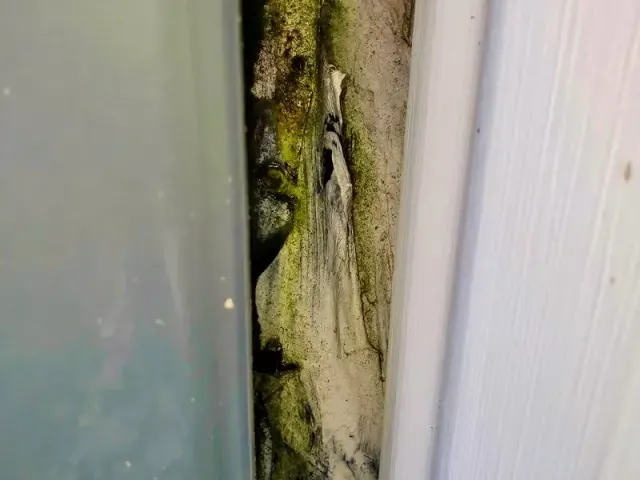
How Mold Inspection and Testing Helps Homes in Pompano Beach Coastal Areas
Living near the coast comes with undeniable benefits—but it also brings a higher risk of moisture-related problems inside the home. For homeowners in Pompano Beach, mold inspection and testing play a critical role in protecting indoor air quality, structural integrity, and long-term property value.
In coastal environments, mold issues often develop quietly and spread quickly. By the time visible mold appears, the problem is usually more advanced than expected. Mold inspection and testing help identify problems early, uncover hidden risks, and guide effective prevention and remediation strategies.
Why Coastal Homes in Pompano Beach Are More Vulnerable to Mold
Pompano Beach’s coastal climate creates near-perfect conditions for mold growth. Warm temperatures, persistent humidity, salt air, and frequent storms all contribute to elevated moisture levels inside homes.
Unlike dry climates, coastal homes dry slowly after water exposure. Moisture can linger in walls, ceilings, attics, and flooring long after a leak or storm has passed. Mold spores—already present in the air—only need moisture to activate, and growth can begin within 24 to 48 hours under the right conditions.
This makes early detection through inspection and testing especially important in coastal homes.
What Mold Inspection and Testing Really Involve
Many homeowners assume mold inspection simply means looking for visible mold. In reality, professional inspection and testing are much more comprehensive.
Mold Inspection Focuses On
- Visible mold growth
- Hidden mold in wall cavities, ceilings, and attics
- Moisture sources feeding mold
- Ventilation and humidity conditions
- Areas at high risk for future growth
Mold Testing Helps Determine
- Whether mold spores are present in the air
- The concentration of mold indoors compared to outdoors
- Whether hidden mold may exist even without visible signs
Together, inspection and testing provide a clearer picture of a home’s overall mold risk.
Common Mold Triggers in Pompano Beach Coastal Homes
Understanding what causes mold helps explain why inspections are so valuable.
Storm Damage and Wind-Driven Rain
Coastal storms often force water into homes through:
- Roof damage or loose flashing
- Windows and door frames
- Exterior wall cracks
Even small leaks can lead to hidden moisture buildup.
High Indoor Humidity
In coastal areas, indoor humidity often exceeds safe levels, especially when HVAC systems are undersized or poorly maintained. High humidity alone—without a visible leak—can support mold growth.
Plumbing and HVAC Issues
Slow plumbing leaks and AC condensation problems commonly go unnoticed. Moisture from these sources often accumulates behind walls or inside ductwork.
Flooding and Groundwater Intrusion
Coastal flooding or heavy rainfall can introduce moisture through foundations and ground-level walls, saturating materials that take weeks to dry naturally.
Warning Signs Mold Inspection and Testing Are Needed
Mold doesn’t always make itself obvious. In many cases, homeowners notice symptoms before they see growth.
Common Warning Signs
- Musty or earthy odors
- Water stains on ceilings or walls
- Bubbling or peeling paint
- Warped flooring or baseboards
- Persistent indoor humidity
- Increased allergy or respiratory symptoms
In coastal homes, even subtle signs should be taken seriously.
How Mold Inspection Helps Coastal Homeowners
Mold inspection is the first step in identifying problems before they become expensive repairs.
Identifies Hidden Mold
Inspections help locate mold in:
- Wall cavities
- Attics
- Crawl spaces
- Behind cabinetry or baseboards
- HVAC systems
Hidden mold is especially common in coastal homes where moisture migrates easily.
Finds the Moisture Source
Mold cannot exist without moisture. Inspections focus on identifying:
- Roof leaks
- Plumbing failures
- Condensation problems
- Ventilation issues
Fixing the source is essential for long-term success.
Prevents Unnecessary Repairs
By pinpointing the exact areas affected, inspections prevent guesswork and reduce unnecessary demolition or over-remediation.
The Role of Mold Testing in Coastal Homes
Mold testing is often misunderstood, but it serves an important purpose when used correctly.
When Mold Testing Is Helpful
- When mold is suspected but not visible
- When odors persist without an obvious source
- During real estate transactions
- After water damage or flooding
- To establish baseline indoor air quality
Testing does not replace inspection—it supports it by providing measurable data.
What Mold Testing Can Reveal
- Elevated mold spore levels indoors
- Differences between indoor and outdoor air
- Indicators of hidden mold growth
This information helps homeowners make informed decisions about next steps.
Health Benefits of Mold Inspection and Testing
One of the most important reasons to inspect for mold is health protection.
Potential Health Effects of Mold Exposure
- Nasal and throat irritation
- Chronic coughing or sneezing
- Headaches and fatigue
- Worsened asthma or allergies
Children, elderly residents, and individuals with respiratory conditions are especially sensitive.
Early inspection and testing help reduce prolonged exposure and improve indoor air quality.
Structural Benefits for Coastal Homes
Mold doesn’t just affect air quality—it damages building materials over time.
Materials Commonly Affected
- Drywall and ceilings
- Wood framing
- Insulation
- Flooring and subfloors
If mold growth continues unchecked, it can weaken materials and increase repair costs significantly. Inspections catch issues before structural damage becomes extensive.
Mold Inspection and Real Estate in Pompano Beach
In coastal markets, buyers are increasingly cautious about mold and moisture issues.
Mold inspection and testing:
- Reduce surprises during transactions
- Support disclosure transparency
- Protect sellers from post-sale disputes
- Give buyers confidence in the property
Homes with documented inspections often perform better during sales.
Why Visual Checks Alone Are Not Enough
Many homeowners assume they would see mold if it were present. In coastal homes, that assumption often leads to delayed action.
Limitations of Visual Inspection
- Mold often grows behind walls or above ceilings
- Surfaces may appear dry while materials inside remain wet
- HVAC systems can distribute spores without visible signs
Professional inspections rely on moisture detection tools—not just sight.
Prevention Tips After Mold Inspection and Testing
Once risks are identified, prevention becomes the priority.
1. Control Indoor Humidity
- Keep humidity below 55 percent
- Use dehumidifiers when needed
- Maintain HVAC systems properly
2. Address Water Intrusion Quickly
- Dry wet areas within 24–48 hours
- Repair leaks immediately
- Inspect surrounding materials for hidden moisture
3. Maintain Roofs and Exteriors
- Inspect after storms
- Repair damaged shingles or flashing
- Seal windows and doors
4. Improve Ventilation
- Use exhaust fans in bathrooms and kitchens
- Ensure attic ventilation is balanced
- Prevent attic air from entering living spaces
5. Monitor High-Risk Areas
- Attics
- Crawl spaces
- HVAC closets
- Laundry rooms
Regular checks reduce surprise mold issues.
Mold Inspection vs. Mold Removal
It’s important to understand the difference:
- Mold inspection and testing identify the problem and its cause
- Mold removal eliminates the contamination
Skipping inspection often leads to incomplete removal and recurring mold problems.
Long-Term Value of Mold Inspection and Testing
For coastal homeowners in Pompano Beach, mold inspection and testing are proactive tools—not just reactive services.
Long-Term Benefits Include
- Early detection of hidden problems
- Reduced remediation costs
- Improved indoor air quality
- Lower mold recurrence risk
- Protection of property value
In coastal environments, prevention is always more affordable than repair.
Final Thoughts
Mold inspection and testing are essential for homes in Pompano Beach’s coastal environment. High humidity, frequent storms, and slow drying conditions create constant mold risk—often in places homeowners never see.
By investing in professional inspection and testing, homeowners gain clarity, protect their health, and prevent small moisture issues from becoming major mold problems. In coastal homes, mold inspection isn’t just a precaution—it’s a smart, proactive step toward long-term protection and peace of mind.