
Understanding the Process: Mold Inspection and Testing in Deerfield Beach After Flooding
Flooding is one of the most common triggers for mold problems in South Florida homes. Even when floodwater is removed quickly, moisture often remains trapped inside walls, floors, and structural materials. In a warm, humid environment like Deerfield Beach, that lingering moisture creates ideal conditions for mold growth.
Mold inspection and testing after flooding is not about panic or assumptions. It’s a systematic process designed to confirm whether mold is present, identify problem areas, and guide the next steps for protecting your home and health. This article walks homeowners through the full process—what happens, why it matters, and what to expect after flooding.
Why Flooding Dramatically Increases Mold Risk
Floodwater doesn’t just wet surfaces you can see. It penetrates porous materials and spreads through building cavities. Drywall, insulation, wood framing, carpet padding, and subfloors can all absorb water and hold it long after surfaces appear dry.
After flooding, mold risk increases because:
- Moisture becomes trapped behind walls and under flooring
- Indoor humidity stays elevated for extended periods
- Organic building materials provide food for mold
- Airflow inside wall cavities is limited
In South Florida, mold can begin developing within 24 to 48 hours if moisture is not properly addressed.
What Mold Inspection and Testing Really Means
Mold inspection and mold testing are related but not identical. Understanding the difference helps homeowners know what information they’re getting.
- Mold inspection focuses on identifying visible and hidden signs of mold growth and moisture conditions that support it.
- Mold testing involves sampling air or surfaces to analyze mold spores and determine concentrations or types.
After flooding, inspection always comes first. Testing is used strategically, not automatically.
Step 1: Initial Assessment and Home History
The process starts with gathering information. Inspectors don’t rely only on what they see—they consider what happened.
This stage typically includes:
- When the flooding occurred
- How long water was present
- What areas were affected
- Whether drying or repairs have already taken place
- Any musty odors or health concerns reported by occupants
Flood history helps inspectors focus on the most likely problem zones.
Step 2: Visual Inspection of Flood-Affected Areas
A thorough visual inspection follows. This isn’t a quick walk-through—it’s a room-by-room evaluation of areas exposed to water or humidity.
Inspectors look for:
- Visible mold growth on walls, ceilings, or baseboards
- Water staining or discoloration
- Peeling paint or bubbling drywall
- Warped materials or deteriorated surfaces
- Evidence of past moisture intrusion
Special attention is given to low-lying areas, bathrooms, kitchens, and rooms adjacent to flood zones.
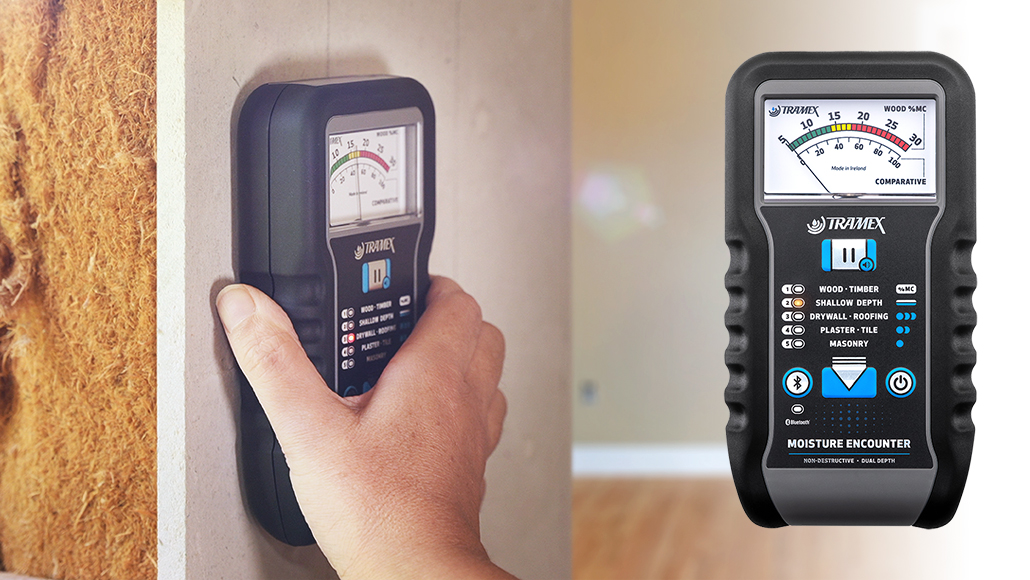
Step 3: Moisture Detection and Mapping
Mold needs moisture to survive. That’s why moisture detection is one of the most important parts of the process after flooding.
Professionals use specialized tools such as:
- Pin and pinless moisture meters
- Infrared thermal imaging cameras
- Hygrometers to measure humidity levels
These tools allow inspectors to locate moisture inside walls, under flooring, and in ceilings—areas that are impossible to assess visually. Moisture mapping helps define the full extent of the problem.
Step 4: Identifying Hidden Mold Risks
Not all mold is visible. In fact, some of the most serious post-flood mold problems develop completely out of sight.
Common hidden mold locations include:
- Behind drywall and paneling
- Inside wall insulation
- Under tile, laminate, or vinyl flooring
- Inside cabinets and vanities
- Beneath carpet padding
An experienced inspector knows where to look based on flood patterns, building design, and moisture readings.
Step 5: Deciding Whether Mold Testing Is Needed
Mold testing is not always required, but after flooding it can be extremely valuable in certain situations.
Testing is often recommended when:
- Mold is suspected but not visible
- Occupants are experiencing unexplained symptoms
- Confirmation is needed for insurance or real estate purposes
- There is disagreement about whether mold is present
- The scope of contamination is unclear
A professional inspector determines whether testing will provide meaningful, actionable information.
Step 6: Types of Mold Testing Used After Flooding
When testing is performed, it is done strategically. The goal is not to collect random samples, but to answer specific questions.
Common testing methods include:
Air Sampling
Air samples measure the concentration of mold spores in indoor air and compare them to outdoor levels. Elevated indoor counts may indicate hidden mold growth.
Surface Sampling
Surface samples confirm whether visible or suspected growth is actually mold and can help identify the category of mold present.
Targeted Sampling
Samples are taken from specific flood-affected zones where moisture levels were highest.
Testing results are interpreted alongside inspection findings, not in isolation.
Step 7: Interpreting Results and Findings
Mold test results are only useful when properly explained. Numbers alone don’t tell the full story.
A professional report should explain:
- Whether mold levels are elevated
- How results compare to normal background levels
- Which areas are affected
- Whether growth is likely active or dormant
- What conditions allowed mold to develop
Clear interpretation helps homeowners understand the real risk—not just the data.
Step 8: Post-Inspection Recommendations
The inspection and testing process does not end with findings. The final step is guidance.
Recommendations may include:
- Targeted mold remediation
- Additional drying or dehumidification
- Removal of affected materials
- Preventive measures to reduce future moisture
- Follow-up inspections after remediation
A good inspection provides a roadmap, not just a diagnosis.
Why Mold Inspection After Flooding Is So Important in Deerfield Beach
Local climate conditions play a major role in mold behavior. High humidity and warm temperatures mean moisture evaporates slowly, especially indoors.
In Deerfield Beach, mold inspection after flooding is critical because:
- Homes stay humid longer after water events
- Flooding often affects slab foundations and lower walls
- Mold growth can accelerate rapidly
- Delayed detection leads to larger remediation projects
Early inspection often means smaller, more controlled solutions.
Health and Indoor Air Quality Considerations
Mold doesn’t just affect buildings—it affects people. After flooding, mold spores can circulate through HVAC systems and indoor air.
Potential concerns include:
- Respiratory irritation
- Allergic reactions
- Persistent musty odors
- Reduced indoor air quality
Mold inspection and testing help identify risks before they impact occupants long-term.
Common Mistakes Homeowners Make After Flooding
Many mold problems become worse because of well-intentioned but incomplete actions.
Common mistakes include:
- Assuming drying fans solved the problem
- Covering up damaged materials too quickly
- Skipping moisture checks
- Waiting until mold becomes visible
- Relying on smell alone
Professional inspection fills the gaps that DIY efforts often miss.
Final Thoughts for Homeowners
Flooding is stressful, but ignoring what comes after is where real damage begins. Mold inspection and testing in Deerfield Beach after flooding provides clarity when homeowners need it most. It identifies hidden risks, confirms whether mold is present, and guides the next steps with confidence.
Understanding the process helps homeowners make informed decisions, avoid unnecessary repairs, and protect both their property and indoor air quality. After flooding, mold inspection isn’t about overreacting—it’s about being smart, thorough, and proactive.