
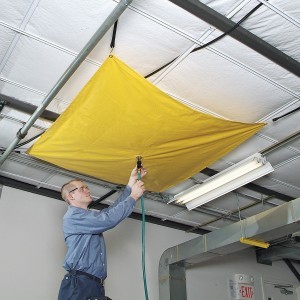
Lighthouse Point Water Removal After Roof Leaks: Expert Advice for Homeowners
Roof leaks have a way of showing up at the worst possible time—usually during or right after heavy rain. For homeowners in Lighthouse Point, roof-related water damage is especially common due to aging roofing materials, intense storms, and constant exposure to heat and humidity. What starts as a small stain on the ceiling can quickly turn into widespread moisture damage if water removal isn’t handled properly.
This guide explains how professional water removal helps after roof leaks, what homeowners should expect, and why acting quickly makes a real difference in preventing long-term damage.
Why Roof Leaks Are So Problematic in South Florida
Roof leaks don’t behave like plumbing leaks or flooding. Water enters from above, then travels downward through multiple layers of the home before it becomes visible. By the time you notice the problem, water may already be inside insulation, walls, and ceilings.
Common reasons roof leaks cause extensive damage include:
- Water spreading across attic insulation
- Gravity pulling moisture into wall cavities
- Slow, repeated leaks instead of one-time events
- High humidity slowing natural drying
- Warm temperatures accelerating material deterioration
In Lighthouse Point, even a short rainstorm can cause significant hidden damage if the roof is compromised.
Signs You May Need Water Removal After a Roof Leak
Some roof leaks are obvious. Others are subtle and easy to ignore—at least at first.
Warning signs include:
- Water stains on ceilings or walls
- Bubbling or peeling paint
- Sagging drywall
- Musty or damp odors indoors
- Wet insulation in the attic
- Dripping water during or after rain
If any of these appear, water removal should be addressed immediately, even if the leak seems minor.
Why Simply Fixing the Roof Isn’t Enough
Repairing the roof stops new water from entering, but it doesn’t remove the moisture already inside the home. This is where many homeowners run into trouble.
Without proper water removal:
- Insulation stays wet and loses effectiveness
- Drywall continues absorbing moisture
- Mold-friendly conditions remain
- Structural wood can begin to weaken
Water removal focuses on what happened after the leak—not just preventing the next one.
What Professional Water Removal Involves
Water removal after a roof leak is a controlled, step-by-step process designed to eliminate both visible and hidden moisture.
A professional service typically includes:
- Inspection of affected ceilings, walls, and attic areas
- Moisture detection to locate trapped water
- Removal of standing water if present
- Strategic drying using air movers and dehumidifiers
- Monitoring moisture levels until materials return to normal
This process ensures the home is actually dry, not just dry on the surface.
The Importance of Moisture Detection After Roof Leaks
Roof leaks rarely soak just one spot. Water often travels along beams, drywall seams, and insulation before settling elsewhere.
Moisture detection tools allow professionals to:
- Find water behind ceilings and walls
- Identify wet insulation in attics
- Track how far moisture has spread
- Avoid unnecessary demolition
Without moisture detection, it’s easy to miss problem areas that later develop mold or odors.
Attic Damage: The Hidden Trouble Spot
After roof leaks, the attic is often the most affected—and least inspected—area of the home.
Common attic-related issues include:
- Saturated insulation holding moisture for weeks
- Mold growth on roof decking
- Condensation buildup after drying attempts
- Reduced energy efficiency
Water removal services address attic moisture directly, which is critical for preventing recurring problems.
How Water Removal Helps Prevent Mold Growth
Mold doesn’t require flooding. It only needs moisture and time. Roof leaks provide both, especially when water sits inside porous materials.
Water removal helps prevent mold by:
- Drying materials quickly and evenly
- Lowering indoor humidity levels
- Eliminating moisture sources mold depends on
- Reducing the need for future mold remediation
In South Florida’s climate, fast and thorough drying is one of the most effective mold prevention steps.
Why DIY Drying Often Fails After Roof Leaks
Many homeowners try to handle roof leak cleanup themselves using fans or household dehumidifiers. While this may help surface drying, it rarely solves the full problem.
DIY drying limitations include:
- Inability to dry inside walls and ceilings
- No way to measure actual moisture levels
- Uneven drying that traps moisture
- Missed attic or insulation saturation
Professional water removal focuses on the moisture you can’t see—which is usually where the real damage is.
Water Removal and Insurance Considerations
If roof leaks lead to an insurance claim, documentation becomes important. Water removal professionals often provide records that support the claims process.
This documentation may include:
- Moisture readings before and after drying
- Photos of affected areas
- Drying equipment usage logs
- Timeline of the water event
Accurate documentation helps avoid disputes and delays.
What Happens After Water Removal Is Complete
Once drying is finished, the home may still require repairs, depending on the extent of damage.
Common post-removal repairs include:
- Replacing damaged drywall or insulation
- Repainting ceilings and walls
- Sealing affected areas
- Addressing ventilation or insulation issues
Water removal ensures repairs are done on dry, stable materials—not on moisture that could cause future failure.
Why Timing Is Critical After a Roof Leak
Delaying water removal is one of the most expensive mistakes homeowners make.
Waiting can result in:
- Mold growth behind ceilings
- Structural wood deterioration
- Persistent odors
- Larger repair scopes
- Higher overall restoration costs
The sooner water removal begins, the less damage water can cause.
Roof Leaks vs Other Water Damage Events
Roof leaks are unique because water enters from above and spreads unpredictably. Unlike flooding or plumbing leaks, damage may not align with the visible source.
That’s why roof-leak water removal requires:
- Attic inspections
- Ceiling and wall moisture mapping
- Vertical drying strategies
- Ongoing monitoring
A general cleanup approach often misses key areas.
Final Thoughts for Lighthouse Point Homeowners
Roof leaks are never just a roofing issue. In Lighthouse Point homes, they often lead to hidden moisture problems that worsen quickly in a humid climate. Professional water removal after roof leaks protects your home by addressing moisture at every level—ceilings, walls, insulation, and indoor air.
Fixing the roof stops the rain, but proper water removal stops the damage. Acting early, using the right tools, and ensuring thorough drying can save homeowners from mold problems, costly repairs, and long-term headaches.