
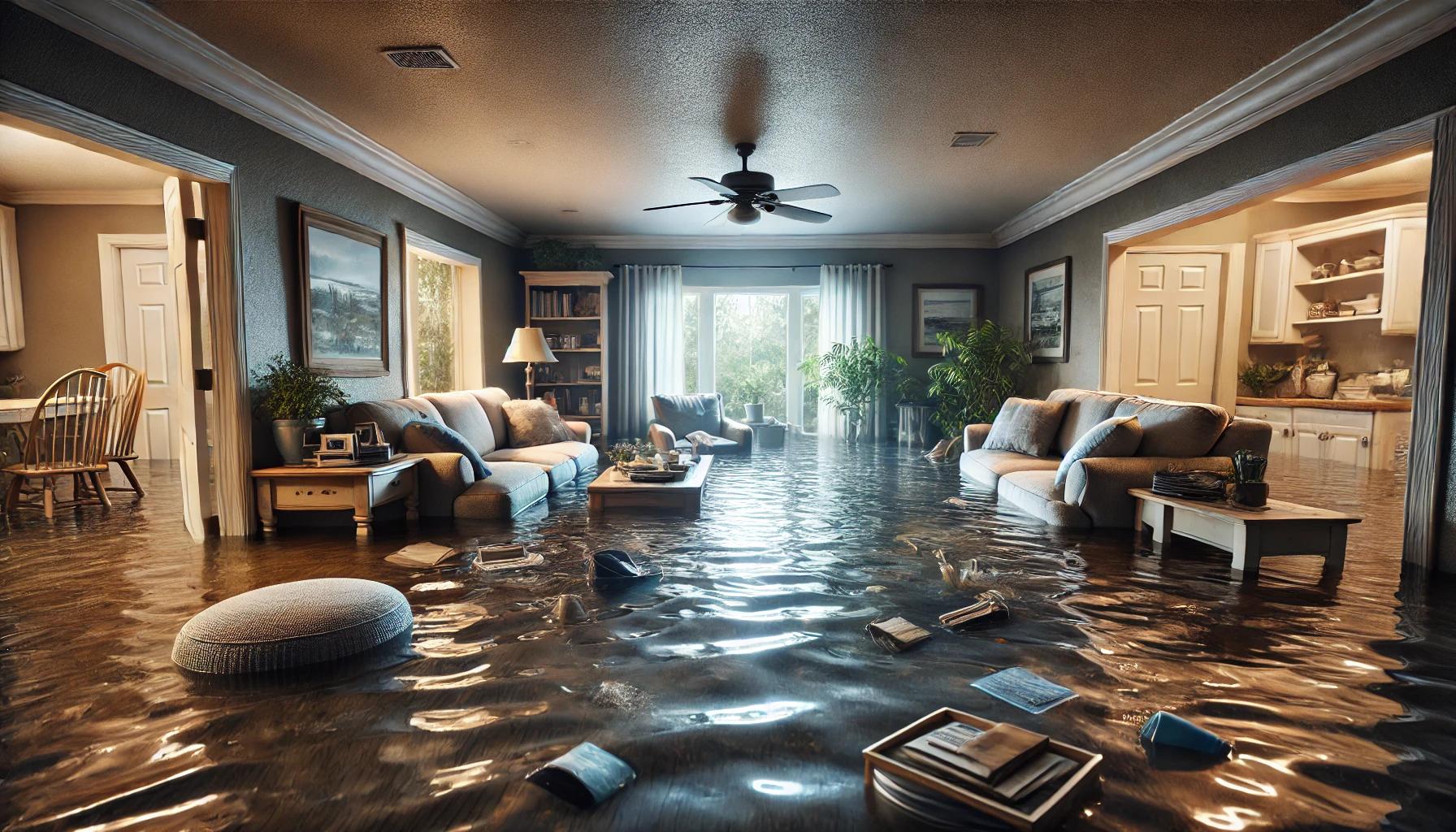
Why Flood Restoration Matters in Lauderdale-by-the-Sea After Flooding
Flooding is never just a temporary inconvenience—especially in coastal communities. In Lauderdale-by-the-Sea, even a single flooding event can trigger long-term problems if restoration isn’t handled correctly. High humidity, a shallow water table, and salt air all work against natural drying, making professional flood restoration not optional, but essential.
This article explains why flood restoration truly matters after flooding, what risks homeowners face when it’s delayed or skipped, and how proper restoration protects homes, health, and long-term property value.
Flooding in Coastal Homes Is Different
Flooding in Lauderdale-by-the-Sea doesn’t always look dramatic. It can come from heavy rain, storm surge, overwhelmed drainage systems, or groundwater intrusion. What makes it more dangerous than inland flooding is how moisture behaves afterward.
Key coastal factors include:
- Slow evaporation due to high humidity
- Moisture rising from saturated ground
- Saltwater accelerating material deterioration
- Wind-driven rain forcing water into wall systems
- Homes built close to grade with limited drainage margins
Because of these conditions, water rarely leaves on its own.
Flood Damage Doesn’t End When the Water Is Gone
One of the most damaging misconceptions homeowners have is that once standing water is removed, the problem is solved. In reality, visible water is only part of the issue.
After flooding, moisture often remains in:
- Drywall and wall cavities
- Flooring and subfloors
- Baseboards and trim
- Insulation
- Structural wood framing
Flood restoration addresses what you can’t see, which is where most long-term damage begins.
Why Immediate Flood Restoration Is Critical
Time is the biggest factor in flood damage outcomes. The longer moisture remains, the more damage spreads—and the more expensive repairs become.
Delays can lead to:
- Mold growth within 24–48 hours
- Structural weakening of wood materials
- Permanent flooring damage
- Persistent musty odors
- Increased repair scope and cost
Flood restoration interrupts this chain reaction early, before damage compounds.
What Flood Restoration Actually Involves
Flood restoration is not just water removal. It’s a structured process designed to stabilize the home and return moisture levels to safe conditions.
A proper restoration process typically includes:
- Water extraction using professional-grade equipment
- Moisture detection to locate hidden water
- Controlled structural drying
- Dehumidification to manage indoor humidity
- Monitoring moisture levels until drying is complete
- Cleaning and sanitization where needed
Each step ensures that water damage doesn’t resurface later.
Moisture Detection: The Most Overlooked Step
In coastal homes, water rarely stays where it enters. It travels under floors, behind walls, and into building cavities.
Moisture detection allows professionals to:
- Identify hidden water intrusion
- Map the spread of moisture
- Avoid unnecessary demolition
- Ensure no wet materials are left behind
Without detection, restoration is guesswork—and guesswork fails in humid environments.
Mold Risk Is Significantly Higher After Flooding
Lauderdale-by-the-Sea’s warm, humid climate creates ideal conditions for mold growth. Flooding provides the moisture mold needs to thrive.
Flood restoration helps prevent mold by:
- Removing moisture quickly
- Drying porous materials thoroughly
- Lowering indoor humidity
- Eliminating conditions that support microbial growth
Skipping restoration dramatically increases the likelihood of mold remediation later.
Structural Protection Depends on Proper Drying
Water weakens materials over time. Even if damage isn’t visible immediately, prolonged moisture exposure compromises the home’s structure.
Flood restoration protects:
- Wall framing from rot
- Subfloors from delamination
- Drywall from crumbling
- Insulation from permanent saturation
Drying isn’t about speed—it’s about reaching safe moisture levels throughout the structure.
Flood Restoration and Indoor Air Quality
Flooding doesn’t just affect surfaces—it affects the air inside the home. As moisture evaporates, humidity rises, odors develop, and contaminants can circulate.
Flood restoration improves indoor conditions by:
- Reducing musty smells
- Preventing airborne mold spores
- Stabilizing humidity levels
- Restoring comfortable living conditions
This is especially important for families with respiratory sensitivities.
Why DIY Flood Cleanup Often Fails
Many homeowners attempt to handle flooding with fans, shop vacs, or household dehumidifiers. While well-intentioned, these efforts rarely solve the full problem.
DIY limitations include:
- Inability to dry inside walls and floors
- No way to measure moisture levels accurately
- Uneven drying that traps moisture
- Missed secondary damage areas
Professional restoration uses tools and monitoring methods homeowners simply don’t have access to.
Flooring and Subfloor Damage: A Common Failure Point
Flooring often looks fine immediately after flooding—until it doesn’t.
Common delayed failures include:
- Warping or buckling hardwood
- Tile loosening due to saturated thinset
- Subfloor swelling and breakdown
- Mold growth beneath flooring materials
Flood restoration addresses moisture below the surface before permanent damage occurs.
Insurance and Documentation Benefits
Flood restoration professionals often provide detailed documentation that supports insurance claims.
This may include:
- Moisture readings before and after drying
- Photos of affected areas
- Drying timelines and equipment logs
- Documentation of restoration steps
Clear records help homeowners avoid disputes and delays.
Long-Term Cost Savings of Proper Restoration
Skipping or rushing flood restoration often leads to repeat damage and higher costs later.
Proper restoration helps avoid:
- Future mold remediation
- Structural repairs
- Flooring replacement months later
- Persistent odor problems
- Reduced property value
Early restoration almost always costs less than delayed repair.
Why Coastal Homes Need a Higher Standard of Restoration
Flood restoration in Lauderdale-by-the-Sea must account for environmental realities that don’t exist inland.
Higher standards are needed because:
- Moisture dries more slowly
- Groundwater remains elevated
- Salt air accelerates corrosion
- Homes experience repeated exposure
What works elsewhere may not be enough here.
Flood Restoration vs Simple Water Removal
Removing water is only the first step. Flood restoration ensures the home is truly dry and stable.
Key differences:
- Water removal focuses on visible water
- Restoration addresses hidden moisture
- Restoration includes monitoring and verification
- Restoration prevents future damage
Stopping at water removal often leads to recurring problems.
Final Thoughts for Homeowners
Flooding in Lauderdale-by-the-Sea is not just a cleanup issue—it’s a structural, environmental, and health concern. Flood restoration matters because it addresses everything flooding leaves behind, not just what’s visible on day one.
By acting quickly and choosing thorough restoration, homeowners protect their property, indoor air quality, and long-term investment. In a coastal environment where moisture never fully goes away on its own, proper flood restoration isn’t optional—it’s essential.