
Why Water Testing Matters in North Lauderdale After Roof Leaks
Roof leaks have a reputation for looking smaller than they really are. A stain on the ceiling, a damp corner, or peeling paint might seem like a simple roofing issue—but in North Lauderdale, roof leaks often lead to hidden moisture problems that linger long after the rain stops. That’s where water testing becomes critical.
Water testing isn’t about overreacting. It’s about understanding where the water went, how far it spread, and what risks it created after a roof leak. This article explains why water testing matters, what it reveals that visual checks can’t, and how it helps homeowners avoid repeat damage and costly repairs.
Roof Leaks Rarely Stay Where You See Them
One of the biggest misconceptions homeowners have is assuming the visible stain marks the full extent of the problem. In reality, roof leaks behave unpredictably.
After entering the roof, water often:
- Travels along rafters and trusses
- Spreads across attic insulation
- Runs down wall cavities
- Pools on top of ceilings before soaking through
- Migrates far from the original entry point
By the time water becomes visible indoors, it may already be affecting multiple areas. Water testing helps trace that hidden path.
What Water Testing Means After a Roof Leak
Water testing after roof leaks focuses on identifying moisture presence, source, and impact—not just surface damage.
Depending on the situation, water testing may involve:
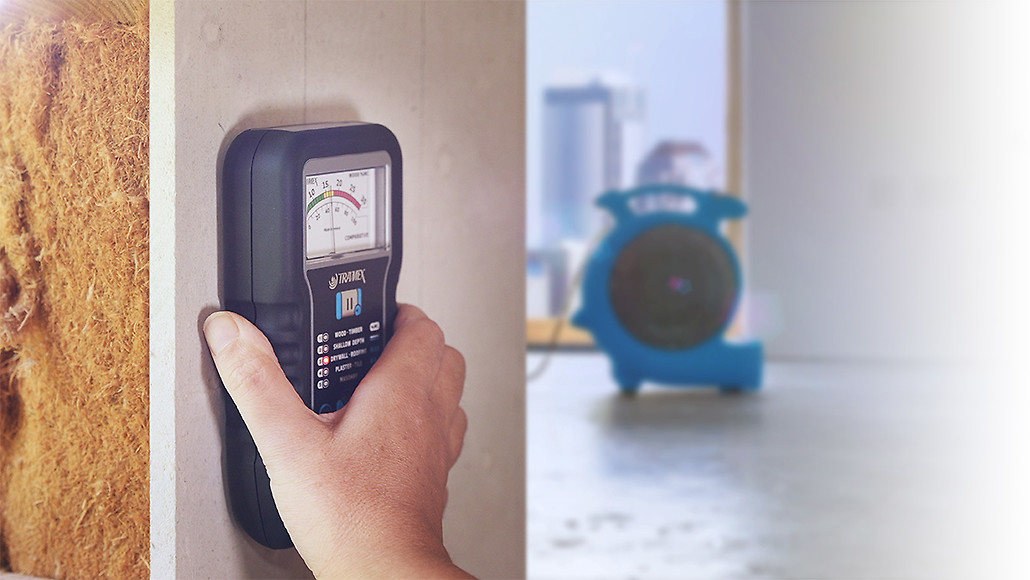
- Moisture readings in ceilings, walls, and floors
- Testing damp materials to determine saturation levels
- Identifying whether moisture is active or residual
- Differentiating rainwater intrusion from plumbing or AC-related moisture
This information guides proper drying and repair decisions.
Why North Lauderdale Homes Are at Higher Risk
North Lauderdale’s climate makes roof-leak moisture harder to manage than many homeowners expect.
Local risk factors include:
- High humidity that slows natural drying
- Warm temperatures that accelerate material breakdown
- Frequent storms that reintroduce moisture
- Attics that trap heat and humidity
- Homes with aging roofing systems
Because moisture dries slowly, undetected water can stay trapped long enough to cause mold or structural damage.
Water Testing Helps Prevent Mold Growth
Mold doesn’t need a flood. It only needs moisture and time—both of which roof leaks provide.
Water testing helps prevent mold by:
- Identifying damp materials before mold becomes visible
- Confirming whether drying is complete
- Highlighting hidden wet zones behind ceilings or walls
- Preventing premature repairs that trap moisture
In many cases, early water testing eliminates the need for mold remediation later.
Distinguishing Roof Leaks From Other Moisture Sources
After storms, homeowners often assume all moisture is roof-related—but that’s not always true.
Water testing helps differentiate between:
- Roof leak intrusion
- AC condensation or drain line overflows
- Plumbing leaks in upper walls
- Humidity-related condensation
This distinction matters because each source requires a different solution. Fixing the roof won’t solve an AC moisture problem—and vice versa.
Why Visual Inspections Alone Are Not Enough
Dry ceilings and walls can still contain moisture. In fact, materials often dry on the surface while remaining wet inside.
Visual inspections fail because:
- Drywall hides moisture behind paint
- Insulation stays wet long after surfaces dry
- Water spreads vertically inside walls
- Odors may not appear until mold develops
Water testing provides measurable data instead of assumptions.
Supporting Proper Drying After Roof Leaks
Drying is only effective when it’s targeted. Water testing tells you where drying is actually needed.
Testing supports drying by:
- Identifying which materials are wet
- Preventing unnecessary demolition
- Ensuring equipment is placed correctly
- Verifying when drying is complete
Without testing, drying efforts often miss critical areas.
Preventing Repeat Repairs and Recurring Damage
One of the most frustrating outcomes for homeowners is seeing the same stain or damage return months later.
This usually happens because:
- Moisture was never fully removed
- Repairs were done too soon
- Hidden damp materials were left in place
Water testing reduces repeat repairs by confirming dryness before reconstruction.
Water Testing and Insurance Claims
When roof leaks lead to insurance claims, documentation matters.
Water testing can help by:
- Establishing the extent of water damage
- Supporting the need for drying or material removal
- Providing evidence that moisture was present
- Reducing disputes over scope of repairs
Clear data strengthens claims and speeds decisions.
Common Areas Water Testing Focuses On After Roof Leaks
After roof leaks in North Lauderdale homes, water testing commonly targets:
- Ceilings below the leak area
- Attic insulation and decking
- Wall cavities beneath rooflines
- Upper-level floors
- Areas around vents and light fixtures
These are zones where moisture often hides the longest.
The Cost of Skipping Water Testing
Homeowners sometimes skip water testing to save money—but it often costs more later.
Skipping testing can lead to:
- Mold growth behind ceilings
- Structural wood damage
- Flooring failure weeks or months later
- Persistent odors
- More extensive repairs
Early testing is almost always cheaper than late restoration.
When Homeowners Should Schedule Water Testing
Water testing is especially important when:
- Roof leaks lasted more than a few hours
- Water stains continue to spread
- Repairs are planned soon after the leak
- Musty odors appear
- Storms were intense or prolonged
Even “minor” roof leaks can justify testing in humid climates.
Long-Term Protection for North Lauderdale Homes
Roof leaks may be unavoidable over the life of a home—but long-term damage isn’t.
Water testing helps protect homes by:
- Ensuring moisture is fully addressed
- Preventing mold and material deterioration
- Supporting durable repairs
- Preserving property value
It turns reactive cleanup into informed decision-making.
Final Thoughts
In North Lauderdale, roof leaks are rarely just roofing problems. They’re moisture problems—and moisture behaves differently in a warm, humid climate. Water testing matters because it reveals what the eye can’t see, helping homeowners understand the real impact of a leak before damage spreads.
By identifying hidden moisture, guiding proper drying, and confirming when it’s safe to repair, water testing protects homes from repeat damage, mold growth, and unnecessary expense. After roof leaks, it’s one of the smartest steps a homeowner can take to ensure the problem is truly solved—not just covered up.