
Property Owner Guide to AC Moisture Repair in Margate
Air conditioning systems in South Florida don’t just cool homes—they manage moisture. When that balance fails, AC systems become one of the most common sources of water damage in residential and rental properties. In Margate, high humidity, long cooling seasons, and aging HVAC systems make AC-related moisture problems a frequent issue for property owners.
This guide is written specifically for property owners and explains how AC moisture problems develop, how proper repair works, and how to prevent repeat damage that leads to tenant complaints, mold issues, and costly repairs.
Why AC Moisture Problems Are So Common in Margate
Air conditioners naturally remove moisture from the air. That moisture must drain properly and stay contained. When any part of the system fails, water ends up where it doesn’t belong.
Margate properties are especially vulnerable due to:
- High year-round humidity
- AC systems running most of the year
- Older ductwork and drain components
- Attic installations exposed to extreme heat
- Inconsistent maintenance in rental properties
Even a minor issue can create steady moisture exposure that quietly damages ceilings, walls, and insulation.
What “AC Moisture Repair” Actually Means
AC moisture repair is not just fixing a leak. It’s a process that identifies why moisture escaped the system, corrects it, and ensures the surrounding structure is dry before repairs are made.
Proper AC moisture repair typically involves:
- Identifying the moisture source
- Stopping active water release
- Detecting how far moisture spread
- Drying affected materials
- Repairing damaged finishes
- Preventing recurrence
Skipping steps is how stains come back and tenants call again.
Common Sources of AC Moisture Damage
Property owners often assume there’s “one” AC moisture issue. In reality, there are several—and the fix depends on the cause.
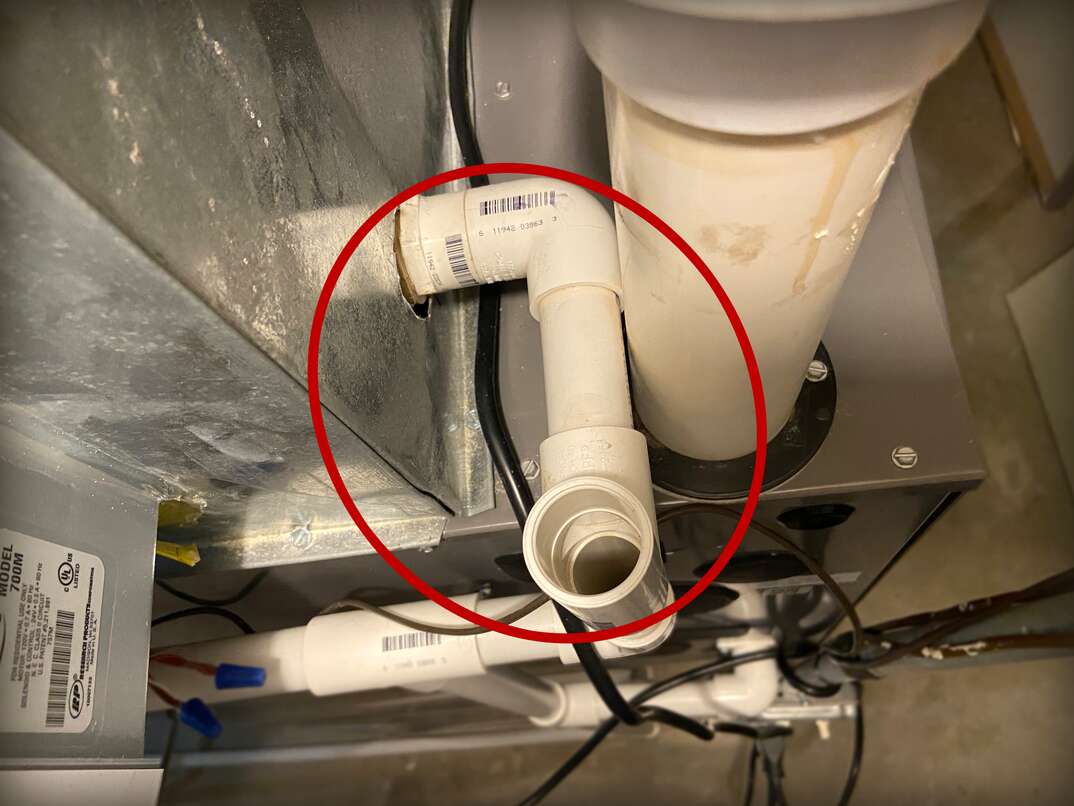
Clogged Condensate Drain Lines
The most common issue. When the drain line clogs, water backs up and overflows into ceilings or closets.
Rusted or Cracked Drain Pans
Older systems often have deteriorated pans that leak even when the drain line is clear.
Missing or Failed Float Switches
Float switches are safety devices that shut the system off when water backs up. When missing or broken, overflow continues unnoticed.
Frozen Evaporator Coils
Airflow or refrigerant problems cause coils to freeze and later thaw—dumping excess water into the system.
Sweating or Uninsulated Ductwork
Cold ducts in hot attics attract condensation that drips onto ceilings and insulation.
Oversized AC Units
Systems that cool too quickly don’t run long enough to remove humidity, increasing condensation problems.
Why AC Moisture Damage Is Often Misdiagnosed
AC moisture damage is commonly mistaken for:
- Roof leaks
- Plumbing leaks
- Storm intrusion
Property owners often repair the wrong system first. Correct diagnosis looks at timing (when damage appears), AC runtime, and location relative to HVAC components.
Fixing the wrong cause delays real repairs and increases damage.
Step-by-Step: How Proper AC Moisture Repair Works
Step 1: Confirm the Moisture Source
Inspection focuses on the air handler, drain line, drain pan, ducts, and surrounding materials. Moisture meters help confirm active moisture versus old damage.
Step 2: Stop the Water Immediately
The AC issue must be corrected first—clearing drains, replacing pans, repairing airflow issues, or insulating ducts.
Step 3: Map Moisture Spread
Water rarely stays in one spot. Moisture detection identifies wet drywall, insulation, and framing beyond visible stains.
Step 4: Controlled Drying
Professional drying stabilizes humidity and dries materials evenly. Surface drying alone is not enough.
Step 5: Evaluate Materials
Saturated insulation and damaged drywall are removed. Structural materials may be saved if dried properly.
Step 6: Verify Dryness
Repairs should only begin after moisture readings return to normal levels.
Step 7: Repair and Restore
Drywall, paint, trim, and finishes are restored once the area is confirmed dry.
Why Property Owners Should Never Skip Moisture Detection
AC moisture damage often spreads silently. Without detection:
- Wet insulation stays hidden
- Mold risk increases
- Repairs fail weeks later
- Odors develop after repainting
Moisture detection protects property owners from repeat damage and disputes.
Mold Risk and AC Moisture
In Margate’s climate, mold can begin developing within 24–48 hours of sustained moisture.
AC moisture repair helps reduce mold risk by:
- Eliminating ongoing water sources
- Drying materials thoroughly
- Preventing moisture from being sealed behind repairs
Early repair often prevents the need for mold remediation altogether.
AC Moisture Repair in Rental Properties
For landlords and property managers, AC moisture problems are both a maintenance and liability issue.
Proper repair helps by:
- Preventing habitability complaints
- Reducing tenant health concerns
- Documenting due diligence
- Avoiding repeated emergency calls
Many disputes begin because moisture damage was “patched,” not fixed.
Common Property Owner Mistakes to Avoid
These mistakes turn small AC issues into expensive ones:
- Painting over ceiling stains
- Replacing drywall before drying
- Clearing a drain line without checking insulation
- Ignoring sweating ducts
- Running the AC colder to “dry things out”
Cold air without dehumidification often makes condensation worse.
Long-Term Prevention Strategies That Work
Property owners in Margate benefit from consistent prevention, not reactive repairs.
Effective strategies include:
- Regular condensate drain maintenance
- Installing and testing float switches
- Insulating ductwork properly
- Monitoring indoor humidity
- Scheduling routine HVAC inspections
- Addressing stains immediately, not later
Preventive maintenance costs far less than repeated repairs.
AC Moisture Repair and Property Value
Water and mold history affects resale, insurance, and tenant confidence.
Proper AC moisture repair:
- Protects structural materials
- Reduces future mold risk
- Preserves interior finishes
- Supports property value
- Demonstrates responsible ownership
In South Florida, documented repairs matter.
Final Thoughts
In Margate properties, AC systems are one of the most common sources of hidden moisture damage. AC moisture repair is not just an HVAC issue—it’s a property protection issue.
When handled correctly—by identifying the source, stopping the moisture, drying properly, and preventing recurrence—AC moisture problems become manageable instead of recurring. For property owners, the smartest move is not reacting to stains, but fixing the system behind them.