
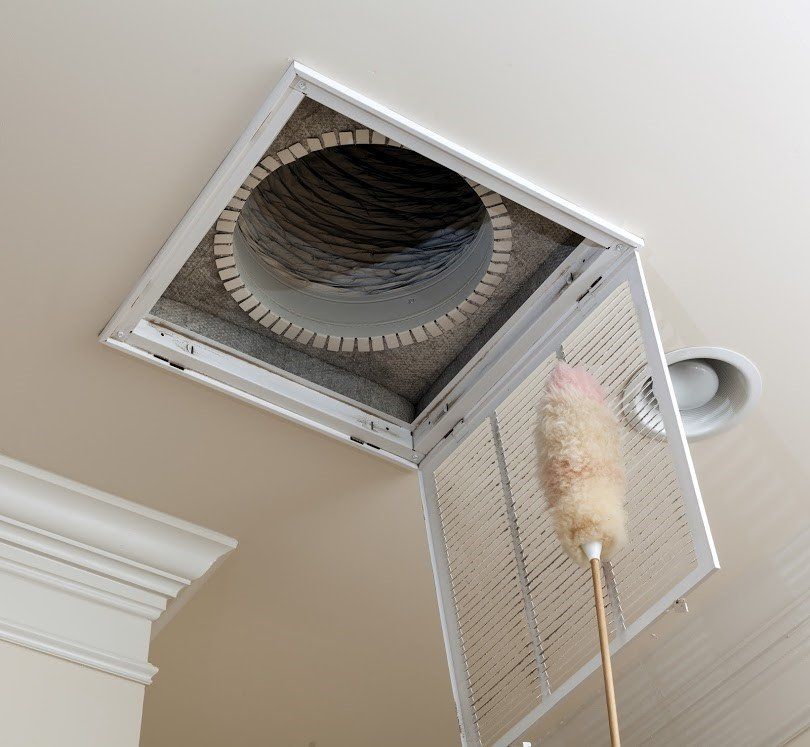

Duct Cleaning in Lauderdale-by-the-Sea: Professional Insights
Air ducts are out of sight and easy to overlook — until the HVAC system starts circulating dust, odors, or makes rooms feel unevenly cooled. In Lauderdale‑by‑the‑Sea, coastal humidity and year-round cooling demand make ductwork particularly vulnerable to moisture-related buildup. That combination turns routine duct cleaning into a practical maintenance task rather than a cosmetic service.
This guide provides professional insight for homeowners who want to understand when duct cleaning is beneficial, what it actually does, and how to make informed decisions about HVAC maintenance in a South Florida climate.
What Duct Cleaning Is — and What It Is Not
Residential duct cleaning is often misunderstood. It is not simply vacuuming visible vents or dusting grilles. Professional duct cleaning is a system-level process designed to remove contaminants from the entire HVAC airflow path, including supply and return ducts, registers, and accessible components of the air handler.
A complete residential duct cleaning service typically involves:
- Inspection of ductwork and accessible HVAC components
- Mechanical agitation to loosen dust, debris, and biological buildup
- Negative-pressure HEPA vacuuming of ducts
- Cleaning registers and grilles
- Optional cleaning of the air handler cabinet if accessible
If a service only wipes vents or promises a “whole house” cleaning in under an hour, it likely does not address the full system.
Why Duct Cleaning Matters in South Florida
Lauderdale-by-the-Sea homes face environmental conditions that increase ductwork challenges:
High humidity increases the likelihood of condensation forming inside cold ducts, which causes dust and debris to stick to internal surfaces.
Year-round cooling means HVAC systems run frequently, pulling humid air through the system continuously.
Salt-laden coastal air accelerates corrosion and can carry fine particles deeper into ductwork.
These factors don’t guarantee that every home needs frequent cleaning — but they do mean duct cleanliness is more than a cosmetic matter here.
Signs That Duct Cleaning May Be Beneficial
Every home is different, but certain signs often point to ductwork issues:
Persistent Dust After Cleaning
If dust settles quickly on furniture after routine cleaning, the HVAC system could be redistributing it.
Musty, Stale, or Humid Smells When the AC Runs
Odors during HVAC operation often indicate buildup or moisture-related conditions inside the ducts.
Visible Debris in Registers
If you can see dust or debris inside vents, it’s usually deeper in the system as well.
Reduced Airflow or Uneven Cooling
Restricted airflow from dust buildup can make some rooms cool slower or stay warmer than others.
Recent Renovation or Water Damage
Construction dust or past water intrusion can settle in ducts and require professional removal.
These signs do not guarantee that duct cleaning will solve every issue, but they are common triggers for inspection.
How Humidity Influences Duct Conditions
Humidity is the variable that changes everything in South Florida. Dry dust stays loose; moist dust sticks to internal surfaces. When moist air passes through cold ducts, condensate can form. That condensate acts like glue, holding dust and particulates against the metal until enough buildup accumulates to affect airflow and indoor air quality.
Moisture-affected duct buildup is harder to remove than dry dust and usually requires mechanical agitation paired with HEPA vacuuming — not just surface dusting.
Duct Cleaning vs HVAC Repair — Know the Distinction
Duct cleaning is focused on air quality and airflow conditions. It does not fix mechanical problems in the HVAC system.
Duct cleaning can assist when:
- Dust and debris are circulated through the home
- Odors are tied to buildup inside the system
- Airflow feels restricted due to internal contamination
Duct cleaning does not fix:
- Refrigerant issues
- Electrical or component failure
- Broken blowers or motors
- Improper AC sizing
- Duct leaks or disconnected duct runs
If the HVAC system is malfunctioning mechanically, cleaning alone won’t restore proper performance.
What to Expect During Professional Duct Cleaning
An experienced duct cleaning provider should begin with a system inspection. This determines the conditions of the ducts and whether additional services (like dryer vent cleaning or coil cleaning) might be recommended.
A typical process includes:
- Sealing registers and setting up negative-pressure HEPA vacuum equipment
- Agitating the duct interior with brushes or compressed air tools
- Vacuuming loosened debris from trunk lines and branch ducts
- Cleaning supply and return grilles thoroughly
- Inspecting the air handler area for accessible buildup
Proper containment prevents dust from spreading into living spaces during the cleaning.
Red Flags to Watch for When Hiring a Provider
Not all duct cleaning services are equal. Be cautious if a provider:
- Promises whole-house cleaning in under an hour
- Focuses only on visible vents and registers
- Uses chemical sprays without explaining purpose and safety
- Charges very low flat rates with no inspection first
- Avoids discussing moisture or HVAC conditions
A professional service should explain why the work is recommended, what it will include, and any limitations (for example, if portions of ductwork are inaccessible).
How Often Should Ducts Be Cleaned?
There is no one-size-fits-all schedule. In Lauderdale-by-the-Sea, homes may consider inspection every 3–5 years, or sooner if conditions warrant. Factors that influence frequency include:
- Presence of pets with heavy shedding
- Recent water damage or flooding
- Signs of mold or biological growth
- Home renovations or construction dust
- Allergies or respiratory concerns among occupants
Regular inspection matters more than calendar-based cleaning. An inspection can determine whether cleaning is necessary at a given time.
Can Homeowners Do Their Own Duct Cleaning?
Homeowners can clean vent covers and perform basic dusting of visible registers, but that does not replace professional duct cleaning. Without proper tools and containment:
- Debris can be pushed deeper into the system
- Dust becomes airborne in living areas
- Moisture-affected buildup remains untouched
- Airflow and indoor air quality issues persist
Professional cleaning targets the entire system, not just what’s visible.
Duct Cleaning and Indoor Air Quality
While duct cleaning alone does not guarantee perfect indoor air quality, it contributes when combined with:
- Proper HVAC maintenance
- Regular filter changes
- Control of indoor humidity
- Inspection after water intrusion or high humidity events
In coastal climates, clean ducts support the overall strategy for maintaining healthier air inside the home — especially for occupants with allergies or respiratory concerns.
Long-Term Tips to Keep Ducts Cleaner
Once ducts are cleaned, maintenance steps help prolong the benefit:
- Change HVAC filters regularly with the correct rating
- Inspect for signs of moisture inside vents
- Maintain proper AC condensate drainage
- Seal duct leaks and insulate cold-air ducts
- Schedule routine HVAC performance checks
Clean ducts perform best when the system as a whole is functioning well.
Final Thoughts
Duct cleaning in Lauderdale-by-the-Sea is not a cosmetic luxury — it’s a practical maintenance service that supports airflow, indoor air quality, and HVAC efficiency in a climate where humidity and dust combine to create buildup. Homeowners benefit most when they understand what duct cleaning does and does not do, choose qualified professionals, and integrate cleaning into a broader approach to HVAC care and moisture control.
The most effective strategy is proactive: inspect early, clean when needed, maintain HVAC systems, and address moisture before it affects the ducts. That’s how duct cleaning actually contributes to a healthier, more comfortable home.