
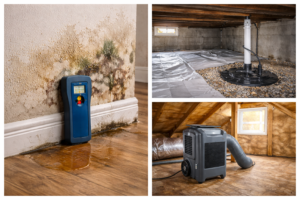
Mold Remediation Services in Lighthouse Point in Humid Florida Summers: Common Causes and Solutions
Lighthouse Point homeowners know that Florida’s humid summers can create ideal conditions for mold growth. High humidity, heavy rains, and AC condensation combine to produce moisture-prone environments where mold thrives. Whether it’s behind walls, under flooring, or inside ductwork, mold can damage homes and impact indoor air quality. Understanding the causes of mold and the proper remediation process is essential for protecting your property and maintaining a healthy living space.
What the Mold Issue Is
Mold is a type of fungus that grows in damp, warm conditions. In Lighthouse Point homes, mold can appear in:
- Bathrooms, kitchens, and laundry areas
- Attics and crawl spaces
- AC units and ductwork
- Behind walls, flooring, or cabinetry
Even small amounts of moisture can allow mold spores to flourish, often going unnoticed until the problem spreads.
Why This Happens So Often in Lighthouse Point
Several factors make Lighthouse Point homes especially susceptible to mold:
- Florida’s high humidity year-round keeps surfaces damp
- Seasonal storms and heavy rains lead to water intrusion
- AC units and ductwork produce condensation that can accumulate
- Older construction or poorly ventilated spaces trap moisture
- Slab foundations and tight building envelopes slow drying
These conditions create hidden pockets of moisture that promote mold growth if not addressed promptly.
Common Signs Homeowners Notice
Homeowners may detect mold issues through visible or sensory cues:
- Musty or earthy odors
- Water stains on walls, ceilings, or floors
- Discoloration, dark spots, or visible mold
- Warping or bubbling paint or wallpaper
- Allergic reactions or respiratory irritation
Early detection is key to preventing mold from spreading throughout the home.
Hidden or Overlooked Sources
Mold can develop in areas that are easily overlooked:
- AC drip pans, evaporator coils, and ductwork
- Plumbing leaks behind walls or under sinks
- Roof leaks or poorly sealed windows and doors
- Crawl spaces and attics with insufficient ventilation
- Insulation or wall cavities that absorb condensation
These hidden sources often go unnoticed until mold becomes visible or odors become apparent.
Why DIY Mold Removal Usually Fails
Homeowners sometimes try to remove mold with surface cleaners, bleach, or scrubbing. While these methods may remove visible mold, they rarely address hidden moisture, spores in ductwork, or structural mold inside walls and insulation. Without professional remediation, mold often returns, sometimes spreading further and causing structural damage or air quality issues.
Professional Mold Inspection & Testing Explained
Mold remediation begins with a thorough inspection and testing process:
- Moisture meters measure dampness in walls, floors, and ceilings
- Thermal imaging identifies hidden water behind surfaces
- Air sampling detects airborne spores
- AC and duct inspections evaluate potential moisture sources
Accurate detection ensures that both visible and hidden mold is identified, allowing for a comprehensive remediation plan.
Proper Mold Removal & Remediation Process
Effective remediation in Lighthouse Point follows a structured approach:
- Containment of affected areas to prevent spore spread
- Removal of contaminated materials, including drywall, insulation, and flooring when necessary
- Cleaning and treatment of non-porous surfaces
- Drying and dehumidification using professional-grade equipment
- Follow-up testing to confirm the environment is mold-free
This process ensures that mold is fully removed and the home is safe and healthy.
Flood Restoration & Water Damage Repair
Heavy rains or minor flooding can exacerbate mold issues. Professional remediation may involve:
- Drying and dehumidifying affected areas
- Repairing water-damaged flooring, walls, or cabinetry
- Addressing hidden leaks or AC condensation issues
- Implementing preventive measures to reduce future moisture problems
Prompt restoration protects the home’s structure and reduces the risk of recurring mold.
Air Ducts, AC Systems & Mold
AC systems and ductwork are common yet often overlooked contributors to mold growth. Condensation in ducts or drip pans can allow spores to circulate throughout the home. Regular AC maintenance and duct cleaning help maintain airflow, control indoor humidity, and prevent mold proliferation during humid Florida summers.
How to Prevent Mold in Lighthouse Point Homes
- Schedule routine AC maintenance and duct inspections
- Monitor indoor humidity and use dehumidifiers if needed
- Inspect plumbing and repair leaks promptly
- Ensure proper ventilation in attics, crawl spaces, and bathrooms
- Seal roof leaks, windows, and doors
- Regularly check for condensation on pipes or ductwork
Proactive maintenance reduces the risk of mold growth and maintains healthy indoor air quality.
Why Local Experience Matters
Lighthouse Point homes have unique challenges due to Florida’s climate and construction styles. Local professionals bring:
- Knowledge of moisture-prone areas specific to Broward County homes
- Expertise in AC, plumbing, and structural systems common in the region
- Effective, long-term solutions for humid summers and storm-prone conditions
Local experience ensures inspections, remediation, and preventive measures are both accurate and lasting.
Calm, Trust-Based Call to Action
Mold growth in Lighthouse Point during Florida’s humid summers can be managed effectively with professional inspection, testing, and remediation. Early detection and proper remediation protect your home’s structure, preserve indoor air quality, and provide peace of mind. Proactive maintenance and local expertise ensure your home stays safe, dry, and comfortable all year round.
Lighthouse Point homeowners know that Florida’s humid summers can create ideal conditions for mold growth. High humidity, heavy rains, and AC condensation combine to produce moisture-prone environments where mold thrives. Whether it’s behind walls, under flooring, or inside ductwork, mold can damage homes and impact indoor air quality. Understanding the causes of mold and the proper remediation process is essential for protecting your property and maintaining a healthy living space.
Effective remediation in Lighthouse Point follows a structured approach:
-
Containment of affected areas to prevent spore spread
-
Removal of contaminated materials, including drywall, insulation, and flooring when necessary
-
Cleaning and treatment of non-porous surfaces
-
Drying and dehumidification using professional-grade equipment
-
Follow-up testing to confirm the environment is mold-free
This process ensures that mold is fully removed and the home is safe and healthy.
AC systems and ductwork are common yet often overlooked contributors to mold growth. Condensation in ducts or drip pans can allow spores to circulate throughout the home. Regular AC maintenance and duct cleaning help maintain airflow, control indoor humidity, and prevent mold proliferation during humid Florida summers.High humidity, heavy rains, and AC condensation combine to produce moisture-prone environments where mold thrives.