
Water Leak Detection in North Lauderdale: Inspection and Repair Guide
Water leaks are one of the most common—and costly—problems for homeowners in North Lauderdale. With aging plumbing systems, slab foundations, and South Florida’s humidity, even a small hidden leak can quickly lead to mold growth, structural damage, and higher utility bills. Knowing how leaks are detected and repaired helps you act fast and avoid long-term damage.
Why water leak detection is critical in North Lauderdale
North Lauderdale homes are especially vulnerable due to:
- Older plumbing lines prone to corrosion or pinhole leaks
- Concrete slab foundations that hide pipe failures
- High humidity, which worsens moisture damage
- Seasonal storms and heavy rain that stress pipes and roofs
Undetected leaks often spread behind walls, under floors, and into insulation before visible signs appear.
Common signs of hidden water leaks
Homeowners should watch for:
- Unexplained spikes in water bills
- Musty odors or damp smells
- Water stains on walls or ceilings
- Warped floors or bubbling paint
- Mold growth with no obvious source
- Reduced water pressure
- The sound of running water when fixtures are off
If you notice one or more of these signs, professional leak detection is recommended.
Step-by-step water leak inspection process
1. Visual assessment
Technicians inspect visible plumbing, fixtures, ceilings, baseboards, and exterior areas for moisture damage or staining.
2. Moisture measurement
Specialized meters identify elevated moisture levels behind walls, under flooring, and in ceilings without causing damage.
3. Thermal imaging
Infrared cameras detect temperature differences caused by leaking water, helping locate hidden leaks quickly and accurately.
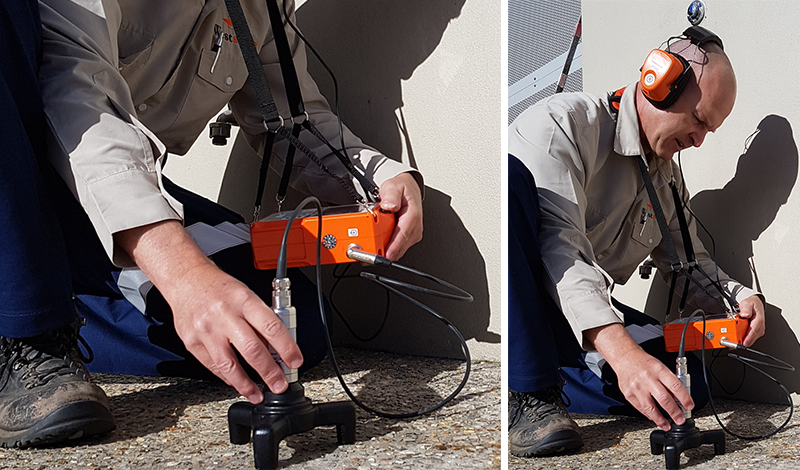
4. Acoustic leak detection
Sensitive listening equipment pinpoints leaks inside pipes by detecting sound vibrations from escaping water—especially useful for slab leaks.
5. Pressure testing
Plumbing systems may be pressure-tested to confirm leaks and narrow down affected sections.
Common causes of water leaks in North Lauderdale homes
- Aging or corroded pipes
- Slab foundation pipe failures
- Loose or damaged pipe joints
- AC condensation line clogs
- Roof or window seal failures
- Plumbing leaks behind bathrooms and kitchens
Early detection prevents these issues from escalating into major repairs.
Repair options after leak detection
The repair approach depends on the leak type and location:
- Pipe repairs or replacements for damaged plumbing
- Spot slab repairs for localized foundation leaks
- Sealant or flashing repairs for roof or window leaks
- AC drain line cleaning to prevent overflow
- Drying and dehumidification to remove residual moisture
Professional repairs focus not only on fixing the leak but also on preventing mold and secondary water damage.
Why professional leak detection beats DIY methods
- Finds hidden leaks without tearing into walls
- Prevents unnecessary demolition
- Reduces repair time and costs
- Protects indoor air quality
- Helps document damage for insurance claims
DIY methods often miss concealed moisture, allowing damage to continue unnoticed.
Preventing future water leaks
- Schedule annual plumbing inspections
- Replace aging pipes proactively
- Maintain AC drain lines regularly
- Monitor water bills monthly
- Install water leak detection sensors
- Address small leaks immediately
When to call a professional
You should seek expert leak detection if:
- Water damage appears without a clear source
- Mold keeps returning
- Moisture persists after repairs
- You suspect a slab or hidden pipe leak
Water leaks are a serious concern for homeowners in North Lauderdale, especially with South Florida’s high humidity, aging plumbing systems, and frequent heavy rain. Hidden leaks can go undetected for weeks or even months, quietly causing structural damage, mold growth, and rising water bills. Understanding how professional water leak detection works—and what repairs may be needed—can help you protect your home and avoid costly damage.
This guide breaks down the inspection process, common causes, repair options, and prevention tips specifically for North Lauderdale homes.
Why Water Leak Detection Is So Important in North Lauderdale
Many homes in North Lauderdale were built with plumbing systems that are now decades old. Combined with slab foundations and constant moisture in the air, small leaks can quickly turn into major problems.
Undetected leaks can lead to:
- Mold and mildew growth
- Damage to drywall, flooring, and insulation
- Structural weakening of walls and foundations
- Higher water and utility bills
- Ongoing moisture and indoor air quality issues
Early detection is the key to minimizing repairs and preventing long-term damage.
Common Signs of a Hidden Water Leak
Not all leaks are obvious. Watch for these warning signs:
- Sudden or unexplained increases in water bills
- Musty or damp odors
- Water stains on ceilings or walls
- Peeling, bubbling, or cracking paint
- Warped flooring or soft spots
- Mold growth with no visible source
- Reduced water pressure
- Sounds of running water when fixtures are off
If you notice any of these, professional leak detection is strongly recommended.
Step-by-Step Water Leak Inspection Process
Professional leak detection focuses on finding the source without unnecessary damage to your home.
1. Visual Inspection
Technicians examine plumbing fixtures, ceilings, baseboards, walls, and exterior areas for visible signs of moisture or damage.
2. Moisture Detection
Moisture meters are used to identify elevated moisture levels inside walls, floors, and ceilings—areas where leaks often hide.
3. Thermal Imaging
Infrared cameras detect temperature differences caused by water intrusion, making it easier to locate hidden leaks without cutting into surfaces.
4. Acoustic Leak Detection
Specialized listening equipment detects the sound of water escaping from pipes, which is especially effective for slab and underground leaks.
5. Pressure Testing
In some cases, plumbing systems are pressure-tested to confirm leaks and isolate affected lines.
Most Common Causes of Water Leaks in North Lauderdale Homes
- Aging or corroded plumbing pipes
- Slab foundation leaks
- Loose pipe connections
- Leaking toilets, sinks, or appliances
- AC condensate line clogs or overflows
- Roof or window seal failures
- Storm-related water intrusion
Understanding the cause helps ensure repairs address the root problem—not just the symptoms.
Water Leak Repair Options
Once the leak is located, the repair approach depends on its source and severity:
- Pipe repair or replacement for damaged plumbing
- Spot slab repairs for foundation leaks
- Roof or flashing repairs for storm-related leaks
- AC drain line cleaning and repair
- Drying and dehumidification to remove trapped moisture
- Minor structural repairs to drywall or flooring
Professional services also focus on preventing mold and secondary water damage after repairs are complete.
Why Professional Leak Detection Beats DIY Methods
DIY leak detection often misses hidden moisture and can lead to unnecessary demolition. Professional services offer:
- Accurate detection without damaging walls or floors
- Faster identification of slab and hidden pipe leaks
- Reduced repair costs by targeting the exact source
- Protection against mold growth
- Documentation useful for insurance claims
In North Lauderdale homes, where leaks often hide behind walls or under slabs, professional detection is especially valuable.
How to Prevent Future Water Leaks
Homeowners can reduce leak risks by:
- Scheduling routine plumbing inspections
- Replacing aging pipes proactively
- Maintaining AC systems and condensate lines
- Monitoring monthly water bills
- Installing water leak detection sensors
- Addressing minor leaks immediately
Preventive maintenance goes a long way in avoiding major repairs.
When to Call a Professional
You should seek professional water leak detection if:
- Water damage appears without a clear source
- Mold keeps returning after cleanup
- Moisture persists despite repairs
- You suspect a slab or hidden pipe leak
Final Thoughts
Water leak detection in North Lauderdale is not just about finding water—it’s about protecting your home’s structure, indoor air quality, and long-term value. A professional inspection and targeted repair plan can stop damage early, prevent mold, and save thousands in future restoration costs.