
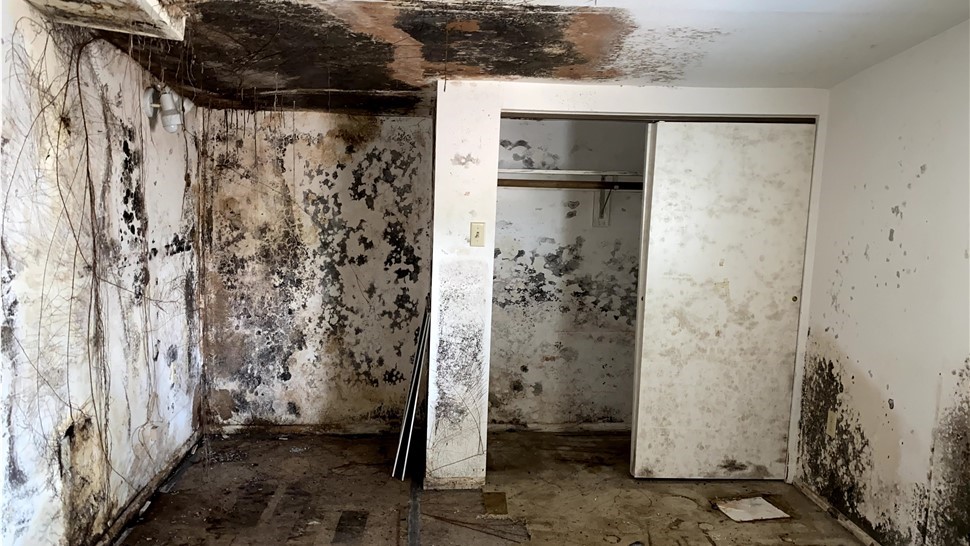
How Mold Inspection and Testing Helps Homes in Deerfield Beach from Poor Ventilation
Poor ventilation is a major contributor to mold problems in Deerfield Beach homes. With South Florida’s high humidity and warm temperatures, air that isn’t circulating properly allows moisture to build up indoors—especially in bathrooms, kitchens, attics, closets, and around HVAC systems. Over time, that trapped moisture creates the perfect environment for mold growth, often hidden from plain sight.
Professional mold inspection and testing play a critical role in identifying these issues early, protecting indoor air quality, and preventing long-term damage caused by ventilation-related moisture.
Why Poor Ventilation Is a Common Issue in Deerfield Beach Homes
Many homes in Deerfield Beach struggle with airflow due to:
- High outdoor humidity year-round
- Tightly sealed homes with limited natural airflow
- Inadequate bathroom, kitchen, or attic ventilation
- Oversized or poorly maintained AC systems
- Blocked or dirty air ducts
When moist air can’t escape, condensation forms on walls, ceilings, ducts, and insulation—fueling mold growth even without an obvious water leak.
How Mold Develops from Ventilation Problems
Unlike flooding or roof leaks, ventilation-related mold grows slowly and quietly. Common scenarios include:
- Condensation buildup around AC vents and ducts
- Humidity trapped in bathrooms without exhaust fans
- Warm, moist air accumulating in attics and crawl spaces
- Stagnant air behind furniture or inside closets
Because these areas are rarely inspected, mold can spread extensively before homeowners notice visible signs.
Warning Signs Linked to Poor Ventilation Mold
Homes with ventilation issues may show subtle but persistent symptoms:
- Musty or stale odors that don’t go away
- Mold spots near vents, ceilings, or corners of rooms
- Peeling paint or discoloration on walls
- Excess indoor humidity or frequent condensation
- Increased allergy, asthma, or respiratory symptoms
- Mold that returns after surface cleaning
These are strong indicators that professional mold inspection and testing are needed.
What a Professional Mold Inspection Looks Like
A proper mold inspection goes beyond a visual check. It includes:
Visual Assessment
Inspectors examine walls, ceilings, vents, ductwork, bathrooms, kitchens, closets, and attics for mold indicators and ventilation problems.
Moisture and Humidity Testing
Moisture meters and hygrometers identify areas with elevated humidity or trapped condensation caused by poor airflow.
Air Sampling
Air tests measure mold spore levels indoors and compare them to outdoor samples—helpful when mold is hidden behind walls or in ducts.
Surface Sampling (When Needed)
Swab or tape samples confirm the presence and type of mold on suspect surfaces.
Ventilation Evaluation
Inspectors assess airflow, exhaust fan performance, AC operation, and duct conditions that may be contributing to the issue.
How Mold Testing Helps Even When Mold Isn’t Visible
One of the biggest benefits of mold testing is detecting hidden mold. In ventilation-related cases:
- Mold may be inside wall cavities
- Spores may circulate through HVAC systems
- Growth may exist in attics or duct insulation
Testing confirms whether mold is present, how severe it is, and whether it’s affecting indoor air quality—information that visual inspections alone can’t provide.
Why Mold Inspection Is Better Than Guesswork or DIY Kits
DIY mold tests often:
- Provide unreliable or misleading results
- Don’t identify moisture or ventilation causes
- Miss hidden contamination
- Offer no guidance on proper remediation
Professional mold inspection and testing give homeowners clear answers and a documented plan for correction and prevention.
Preventing Mold Related to Poor Ventilation
After inspection and testing, professionals often recommend:
- Improving bathroom and kitchen exhaust ventilation
- Servicing or adjusting AC systems for better humidity control
- Cleaning or repairing air ducts
- Using dehumidifiers in problem areas
- Increasing airflow in closets, attics, and enclosed spaces
- Scheduling periodic mold inspections during humid months
Addressing ventilation issues is key to stopping mold at its source.
When to Schedule Mold Inspection and Testing
You should consider professional mold inspection if:
- Your home feels damp or stuffy
- You notice musty odors with no visible mold
- Mold keeps returning after cleaning
- Condensation forms frequently on vents or walls
- Allergy symptoms worsen indoors
- Your home has limited ventilation or airflow
Poor ventilation is one of the most common—and most overlooked—causes of mold problems in Deerfield Beach homes. With South Florida’s warm temperatures and high humidity, moisture-laden air needs a clear path out of the house. When airflow is limited, moisture becomes trapped, creating ideal conditions for mold to grow quietly in hidden areas.
Professional mold inspection and testing help homeowners uncover these ventilation-related issues early, protect indoor air quality, and prevent costly long-term damage.
Why Poor Ventilation Is a Big Issue in Deerfield Beach
Many Deerfield Beach homes struggle with airflow because of:
- Constant outdoor humidity
- Tightly sealed homes designed for energy efficiency
- Inadequate bathroom or kitchen exhaust fans
- Poor attic or crawl space ventilation
- Dirty or restricted air ducts
- AC systems that cool but don’t properly control humidity
When moist air can’t escape, condensation forms on walls, ceilings, vents, and insulation—fueling mold growth without a visible water leak.
How Mold Develops from Ventilation Problems
Unlike mold caused by flooding or roof leaks, ventilation-related mold develops slowly and often goes unnoticed. Common scenarios include:
- Condensation around AC vents and ductwork
- Bathrooms without proper exhaust fans
- Closets and bedrooms with stagnant air
- Attics trapping warm, humid air
- Mold spores circulating through HVAC systems
Because these areas are rarely checked, mold can spread for months before being discovered.
Warning Signs Linked to Poor Ventilation Mold
Homes with ventilation issues may show subtle but persistent symptoms, such as:
- Musty or stale odors
- Mold spots near vents, ceilings, or corners
- Discoloration or peeling paint
- Frequent condensation on windows or walls
- High indoor humidity levels
- Increased allergy, asthma, or respiratory symptoms
- Mold that returns after surface cleaning
These are strong indicators that professional mold inspection and testing are needed.
What a Professional Mold Inspection Includes
A thorough mold inspection focuses on both mold and its underlying cause:
Visual Inspection
Inspectors examine walls, ceilings, vents, bathrooms, kitchens, closets, attics, and ductwork for signs of mold and moisture buildup.
Moisture & Humidity Testing
Moisture meters and hygrometers identify elevated moisture levels caused by trapped air and poor airflow.
Air Sampling
Air testing measures mold spore levels inside the home and compares them to outdoor samples—essential for detecting hidden mold.
Surface Sampling (When Necessary)
Swab or tape samples confirm mold presence and type on suspect surfaces.
Ventilation Assessment
Airflow, exhaust fans, AC performance, and duct conditions are evaluated to pinpoint ventilation failures.
How Mold Testing Helps When Mold Isn’t Visible
One of the biggest benefits of mold testing is identifying hidden contamination. In poor-ventilation cases:
- Mold may be inside wall cavities
- Spores may be circulating through HVAC systems
- Growth may exist in attics or duct insulation
Testing confirms whether mold is present, how widespread it is, and whether it’s affecting indoor air quality—information you can’t get from visual checks alone.
Why DIY Mold Tests Often Fall Short
DIY mold kits can be misleading because they:
- Don’t measure moisture or ventilation problems
- Often give false positives or unclear results
- Miss hidden mold growth
- Provide no guidance for remediation
Professional mold inspection and testing deliver accurate results and a clear plan to fix both the mold and the ventilation issue causing it.
How Mold Inspection and Testing Protect Your Home
For Deerfield Beach homeowners, professional inspection and testing help:
- Detect mold early before it spreads
- Protect indoor air quality
- Reduce health risks from airborne spores
- Prevent structural damage to drywall and insulation
- Identify ventilation upgrades needed to stop recurrence
- Avoid repeated mold cleanup costs
Preventing Mold Caused by Poor Ventilation
After inspection and testing, professionals often recommend:
- Improving bathroom and kitchen exhaust systems
- Servicing or adjusting AC systems for better humidity control
- Cleaning or repairing air ducts
- Adding dehumidifiers in problem areas
- Increasing airflow in closets and enclosed rooms
- Scheduling routine inspections during humid months
Fixing ventilation issues is the key to long-term mold prevention.
When to Schedule Mold Inspection and Testing
Consider professional mold inspection if:
- Your home feels damp or stuffy
- Musty odors persist with no visible mold
- Mold keeps returning after cleaning
- Condensation forms frequently indoors
- Allergy symptoms worsen inside the home
- Your home has limited airflow or older ventilation systems
Final Thoughts
In Deerfield Beach, poor ventilation is a hidden but powerful driver of mold growth. Mold inspection and testing provide homeowners with the clarity needed to identify hidden mold, understand its cause, and take the right corrective steps. By catching ventilation-related mold early, you can protect your home’s structure, preserve indoor air quality, and prevent costly remediation down the line.