
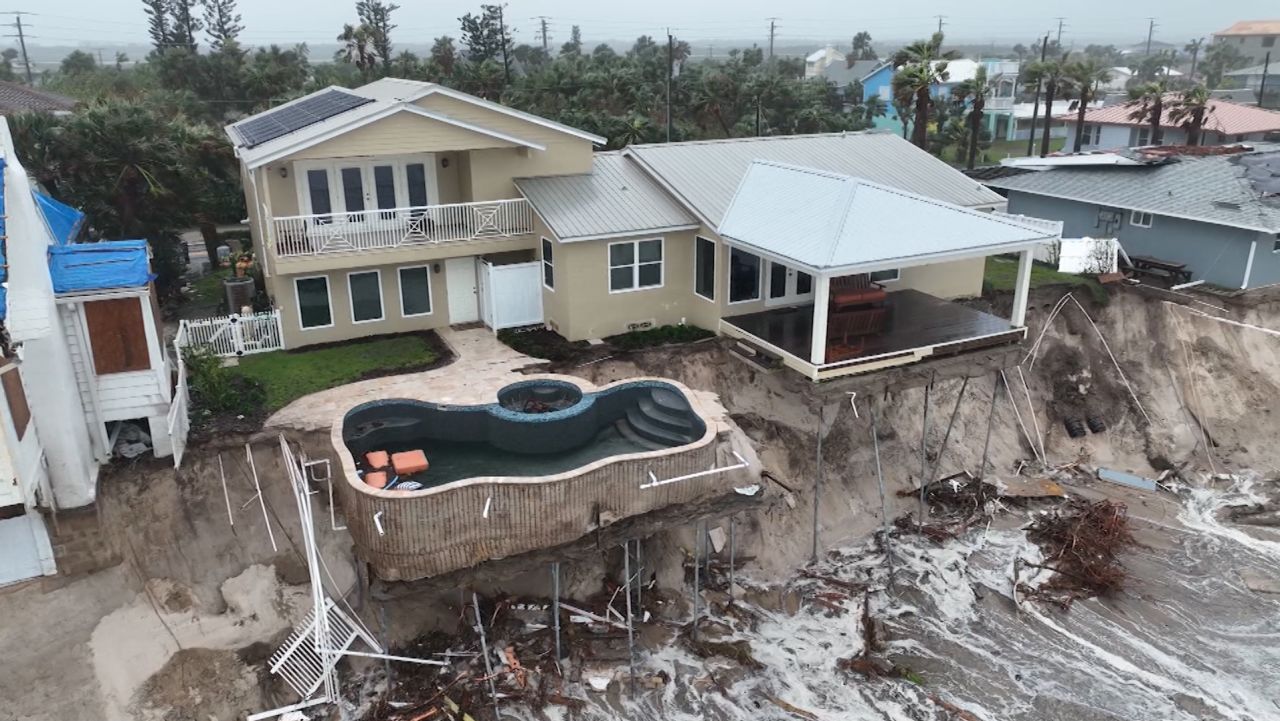
How Water Removal Helps Homes in Coconut Creek in Coastal Areas
Coconut Creek, Florida, is a beautiful coastal community known for its waterways, lush landscapes, and proximity to the Atlantic Ocean. While these features enhance the appeal of homes in the area, they also contribute to one of the most pressing issues homeowners face: water intrusion. Coastal homes are particularly vulnerable to water damage due to heavy rainfall, hurricanes, high humidity, and rising sea levels. Whether caused by storm surges, plumbing failures, or roof leaks, water intrusion can lead to structural damage, mold growth, and health hazards.
Water removal is the first and most critical step in mitigating these issues. By promptly extracting water and addressing moisture, homeowners can prevent further damage, preserve property value, and maintain a safe living environment. This comprehensive guide explores how water removal helps homes in Coconut Creek, including the causes of water intrusion, the water removal process, associated benefits, and preventive measures—all in over 1,200 words for detailed homeowner guidance.
Why Coastal Homes in Coconut Creek Are at Risk
Coastal properties face unique challenges that increase the likelihood of water damage:
- Proximity to Waterways: Homes near canals, rivers, or the ocean are more prone to flooding during storms or high tides.
- High Humidity: Constant moisture in the air accelerates condensation on walls, ceilings, and windows.
- Hurricanes and Tropical Storms: Seasonal storms bring heavy rainfall, wind-driven water, and storm surges.
- Stormwater Backflow: Poor drainage or clogged storm drains can lead to water intrusion during heavy rain events.
- Aging Plumbing and Infrastructure: Leaks in older pipes or fixtures may go unnoticed until significant water damage occurs.
These factors make proactive water removal and moisture management essential for maintaining structural integrity and indoor air quality.
Common Causes of Water Intrusion in Coconut Creek Homes
Understanding the sources of water is key to effective removal and prevention:
1. Storm-Related Flooding
Coastal storms and hurricanes can introduce large amounts of water into basements, crawlspaces, garages, and even living areas. Flooding is often sudden and requires immediate attention to prevent lasting damage.
2. Roof and Attic Leaks
Damaged shingles, worn flashing, or poorly installed roofs allow rainwater to penetrate ceilings and insulation. Moisture trapped in attics can leak into living spaces, leading to wood rot and mold.
3. Plumbing Failures
Burst pipes, faulty water heaters, or leaking faucets can cause slow or rapid water accumulation. Hidden leaks behind walls or under floors can go unnoticed for weeks, creating ideal conditions for mold growth.
4. AC Condensation
High humidity combined with malfunctioning air conditioning systems can produce excess moisture. Condensate lines that are blocked or improperly maintained may leak into ceilings or walls.
5. Groundwater and Stormwater Intrusion
Coastal homes are particularly vulnerable to water entering through foundations or crawlspaces, especially during periods of heavy rainfall or high tides.
6. Appliance Malfunctions
Dishwashers, washing machines, and refrigerators with water dispensers or ice makers can fail, releasing water into flooring or cabinetry.
The Water Removal Process
Effective water removal involves more than just mopping or wet vacuums. Professional water extraction follows a systematic, multi-step process to ensure the home is thoroughly dried and restored:
Step 1: Emergency Assessment
- Initial Inspection: Experts assess the source and extent of water intrusion.
- Classification of Water: Water is categorized as clean (from plumbing), gray (slightly contaminated), or black (sewage-contaminated).
- Safety Measures: Electrical systems may be shut down, and the property is secured to prevent accidents.
Step 2: Water Extraction
- Industrial Pumps: High-capacity pumps remove large volumes of standing water quickly.
- Portable Extractors: Smaller, precise equipment reaches corners, cabinets, and under flooring.
- Rapid Removal: Quick extraction minimizes water absorption into walls, floors, and furniture.
Step 3: Drying and Dehumidification
- Air Movers and Fans: Promote airflow to dry surfaces and structural components.
- Dehumidifiers: Remove residual moisture from the air, reducing indoor humidity levels.
- Moisture Monitoring: Technicians use sensors and meters to ensure all areas are properly dried.
Step 4: Cleaning and Sanitization
- Surface Cleaning: Removes dirt, debris, and sediment left behind by water.
- Disinfection: Prevents bacterial growth, particularly in gray or black water events.
- Odor Control: Eliminates musty odors caused by water accumulation.
Step 5: Mold Prevention
- Inspection for Hidden Moisture: Areas such as walls, attics, and ductwork are checked.
- Antimicrobial Treatments: Applied to prevent mold growth on damp surfaces.
- Ventilation and Humidity Control: Helps maintain dry, mold-resistant conditions.
Step 6: Restoration
- Structural Repairs: Replace water-damaged drywall, flooring, and cabinetry.
- Painting and Finishing: Restore aesthetics to pre-damage condition.
- Appliance and Fixture Inspection: Ensures safe operation after water exposure.
Benefits of Prompt Water Removal
Timely water removal offers significant benefits for coastal homeowners:
1. Prevents Structural Damage
Water can weaken wood, drywall, insulation, and flooring. Quick removal reduces swelling, warping, and long-term deterioration, preserving structural integrity.
2. Reduces Mold and Mildew Growth
Mold can develop within 24–48 hours of water exposure. Removing moisture quickly stops fungal growth and prevents health hazards associated with indoor air contamination.
3. Protects Indoor Air Quality
Excess moisture leads to musty odors, allergens, and airborne spores. Water removal combined with proper drying and ventilation maintains clean, healthy air inside the home.
4. Safeguards Health
Preventing mold and bacterial growth reduces risks of respiratory issues, allergies, and infections.
5. Minimizes Property Loss
Furniture, electronics, and personal belongings are less likely to be damaged when water is removed promptly.
6. Supports Insurance Claims
Documentation of water removal and professional restoration services strengthens insurance claims for storm, flood, or plumbing-related damage.
Water Removal Challenges in Coastal Homes
Coastal properties have unique challenges that require specialized approaches:
- Saltwater Intrusion: Saltwater is more corrosive and can damage metal fixtures, appliances, and structural components.
- High Humidity Levels: Continuous moisture in the air slows drying, requiring dehumidifiers and air movers.
- Accessibility: Crawlspaces, attics, and basements may be difficult to access, necessitating specialized equipment.
- Storm Debris: Floodwater may contain debris or sediment, complicating extraction and cleaning.
Professional water removal companies are trained to address these coastal-specific challenges efficiently and safely.
Preventive Measures for Coconut Creek Homeowners
Preventing water damage is always more cost-effective than repair. Recommended strategies include:
- Regular Roof Inspections: Replace shingles, repair flashing, and maintain gutters.
- Plumbing Maintenance: Check pipes, appliances, and water heaters for leaks.
- Proper Drainage: Ensure proper grading around the property to redirect water away from foundations.
- Install Sump Pumps: Especially in crawlspaces or low-lying areas.
- AC System Maintenance: Ensure condensate lines are functioning and properly drained.
- Water Alarms and Sensors: Detect leaks early to prevent large-scale damage.
- Routine Moisture Monitoring: Especially after storms, hurricanes, or heavy rainfall.
Long-Term Implications of Ignoring Water Removal
Failing to promptly remove water from a home can result in:
- Extensive Mold Growth: Leading to health hazards and expensive remediation.
- Structural Damage: Weakened wood, drywall, and flooring requiring replacement.
- HVAC System Contamination: Moisture can spread spores and bacteria through ductwork.
- Reduced Property Value: Water damage decreases market appeal and resale potential.
- Increased Repair Costs: The longer water remains, the more extensive and expensive repairs become.
Professional Water Removal Services in Coconut Creek
Hiring certified professionals ensures effective water extraction and restoration:
- Advanced Equipment: Industrial pumps, extractors, dehumidifiers, and moisture meters.
- Expertise: Knowledge of coastal water challenges, including saltwater and storm-related damage.
- Comprehensive Restoration: From extraction to drying, mold prevention, and structural repairs.
- Insurance Support: Detailed documentation helps homeowners with claims.
DIY methods rarely provide the thorough removal and drying necessary to prevent long-term damage, especially in coastal homes.
Conclusion
Water removal is the cornerstone of protecting homes in Coconut Creek, particularly in coastal areas prone to heavy rainfall, storms, and high humidity. Rapid extraction and professional drying prevent structural damage, mold growth, and health risks, while maintaining indoor air quality and preserving property value.
Understanding the causes of water intrusion, implementing timely water removal, and adopting preventive measures ensures that homeowners can safeguard their properties and enjoy peace of mind. From emergency response and extraction to mold prevention and restoration, professional water removal services are essential for effective management of water-related issues in Coconut Creek’s coastal homes.
Proactive action—combined with routine maintenance, moisture monitoring, and professional inspections—can dramatically reduce the risk of long-term damage and costly repairs. For homeowners in Coconut Creek, investing in professional water removal is not just a restoration step; it’s a critical strategy for preserving the safety, health, and value of coastal properties.