
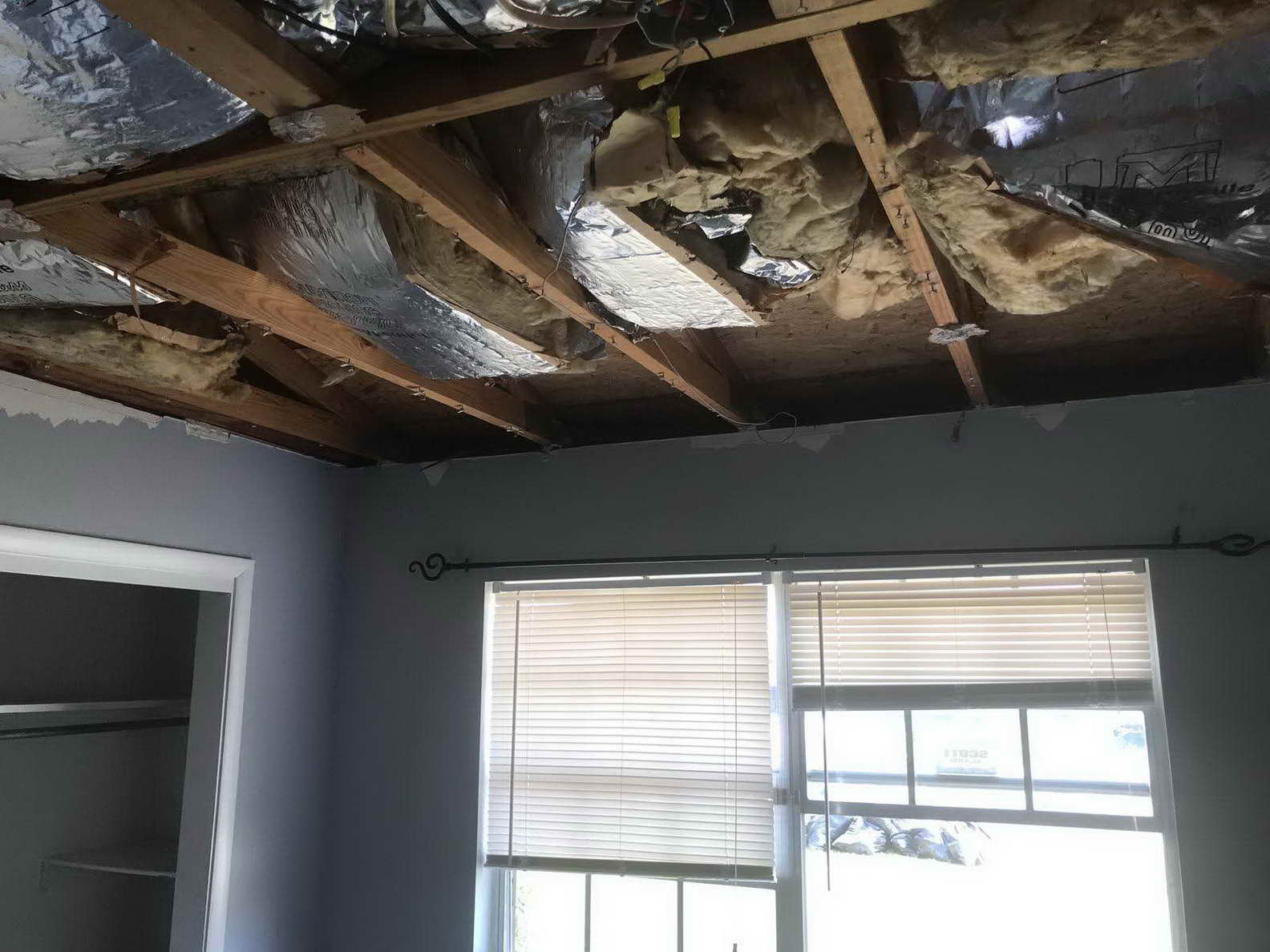
Why Water Removal Matters in Lighthouse Point after Roof Leaks
Lighthouse Point, Florida, is a picturesque coastal community known for its waterfront homes and tropical climate. While these features make it a desirable place to live, they also contribute to one of the most common and costly issues homeowners face: roof leaks and the subsequent water damage. Water intrusion from roof leaks can quickly escalate from a minor nuisance to a severe problem affecting a home’s structure, indoor air quality, and overall livability. For homeowners in Lighthouse Point, understanding why water removal is critical after roof leaks is essential for protecting property value, health, and long-term structural integrity.
This guide provides a comprehensive overview of water removal in Lighthouse Point homes following roof leaks, covering causes, risks, processes, solutions, and preventive strategies, with over 1,200 words of detailed information for homeowners.
Understanding the Impact of Roof Leaks
Roof leaks occur when water penetrates the roofing system due to damage, wear and tear, or poor installation. While water entering the home may initially appear as minor stains or damp spots, the hidden consequences can be far-reaching:
- Structural Damage: Prolonged water exposure weakens wood, drywall, and insulation, leading to sagging ceilings, warped flooring, and compromised framing.
- Mold Growth: Moisture trapped in walls, ceilings, and attics creates the ideal environment for mold and mildew, which can spread rapidly.
- Indoor Air Quality Decline: Water intrusion introduces allergens, spores, and bacteria into the air, negatively impacting health.
- Property Value Loss: Homes with water damage are less attractive to buyers and may face higher insurance premiums.
Prompt water removal after a roof leak is the first step to mitigating these consequences and protecting both your home and your family.
Common Causes of Roof Leaks in Lighthouse Point
Several factors contribute to roof leaks in the Lighthouse Point area:
1. Severe Weather
Hurricanes, tropical storms, and heavy rainfall can damage roofing materials, causing shingles to lift, flashings to loosen, and water to enter attics or ceilings.
2. Aging Roofing Materials
Older roofs may have deteriorated shingles, cracked sealants, or rusted flashing that fail to provide adequate protection against water intrusion.
3. Improper Installation or Repairs
Roofs that were improperly installed or repaired without proper sealing and flashing are more likely to develop leaks over time.
4. Clogged Gutters and Downspouts
Blocked gutters can cause water to pool on the roof, eventually finding weak points to penetrate the structure.
5. Condensation and Humidity
Florida’s high humidity, combined with poor ventilation in attics, can lead to condensation that mimics roof leaks and causes hidden moisture accumulation.
Early Warning Signs of Roof Leaks
Homeowners should watch for early indicators of water intrusion to act quickly:
- Water stains on ceilings or walls
- Sagging or discolored drywall
- Peeling paint or wallpaper
- Mold or mildew odors
- Dripping water or active leaks during rain
- Warped or soft flooring near exterior walls
Early detection allows homeowners to minimize damage and reduce the costs and health risks associated with water exposure.
The Importance of Water Removal After Roof Leaks
Water removal is a critical first step in any water damage mitigation process. Its importance cannot be overstated due to the following reasons:
1. Prevents Structural Deterioration
Wood, drywall, and insulation absorb water quickly. Even minor leaks can weaken structural components over time. Removing water promptly helps maintain the integrity of ceilings, walls, floors, and load-bearing structures.
2. Reduces Mold and Mildew Growth
Mold can develop within 24–48 hours of water exposure. Early water removal prevents mold colonies from establishing, reducing health risks and remediation costs.
3. Protects Indoor Air Quality
Water-saturated materials release moisture into the air, promoting microbial growth and allergens. Proper water removal ensures cleaner, safer air for occupants.
4. Minimizes Property Damage
Furniture, electronics, flooring, and personal belongings can suffer permanent damage if exposed to standing water. Prompt extraction limits losses.
5. Supports Insurance Claims
Documenting professional water removal can strengthen claims, demonstrating that homeowners acted responsibly to mitigate damage.
6. Reduces Long-Term Repair Costs
Immediate water removal reduces the need for extensive structural repairs and prevents secondary damage to electrical systems and HVAC units.
Professional Water Removal Process
Water removal following a roof leak is a detailed, multi-step process that goes beyond simple cleanup:
Step 1: Emergency Assessment
- Identify the source and extent of water intrusion
- Classify the type of water (clean, gray, or black)
- Implement safety measures, such as turning off electricity in affected areas
Step 2: Water Extraction
- Industrial Pumps and Wet/Dry Vacuums: Remove standing water quickly
- Portable Extractors: Reach corners, cabinets, and hard-to-access areas
- Immediate Action: Reduces absorption into structural materials and limits mold growth
Step 3: Drying and Dehumidification
- Air Movers and Fans: Promote circulation to dry surfaces and hidden areas
- Dehumidifiers: Remove excess moisture from the air to prevent condensation
- Moisture Monitoring: Use sensors to track drying progress and ensure all areas are adequately dried
Step 4: Cleaning and Sanitization
- Remove debris, dirt, and sediment left by water
- Apply antimicrobial solutions to prevent mold and bacterial growth
- Neutralize odors caused by water exposure
Step 5: Mold Prevention and Inspection
- Inspect hidden areas such as walls, attics, and ductwork
- Apply preventive treatments to reduce mold regrowth
- Ensure proper ventilation and humidity control in affected spaces
Step 6: Restoration
- Repair or replace damaged drywall, insulation, flooring, and ceilings
- Restore furniture and personal belongings if possible
- Paint and finish walls and ceilings to pre-damage condition
Benefits of Professional Water Removal in Coastal Homes
Lighthouse Point homeowners face unique challenges due to the coastal environment:
- Salt Air and Corrosion: Saltwater can accelerate damage to metal components and structural elements.
- High Humidity: Slows natural drying and requires specialized dehumidification.
- Storm Damage Complexity: Hurricanes and tropical storms often bring debris and widespread water intrusion.
Professional water removal services provide the tools, experience, and expertise to address these challenges efficiently, preventing secondary damage and long-term issues.
Preventive Measures for Lighthouse Point Homes
In addition to water removal, proactive measures can help reduce the risk of roof leaks and water-related damage:
- Regular Roof Inspections: Identify and repair damaged shingles, flashing, or sealants
- Gutter Maintenance: Clean gutters and downspouts to prevent water pooling
- Attic Ventilation: Install vents or fans to reduce condensation
- Waterproofing: Seal areas around chimneys, vents, and skylights
- Routine HVAC Checks: Ensure systems do not contribute to hidden moisture
- Water Alarms: Early leak detection systems can prevent large-scale water intrusion
Health Implications of Neglected Water Damage
Ignoring water removal after roof leaks can result in serious health risks:
- Respiratory Issues: Mold spores and allergens can exacerbate asthma or trigger allergies
- Bacterial Contamination: Stagnant water may harbor bacteria causing infections
- Indoor Air Quality Decline: Musty odors, chemical off-gassing, and microbial growth reduce comfort and safety
Timely water removal and proper drying help maintain a safe and healthy living environment.
Long-Term Implications for Homeowners
Delayed water removal can lead to:
- Extensive mold remediation costs
- Structural repairs for rotting wood, warped flooring, and damaged drywall
- Reduced property value due to water damage history
- Insurance disputes if damage was not mitigated promptly
- Ongoing indoor air quality problems
Proactive water removal prevents escalation and safeguards both the home and its occupants.
Conclusion
Water removal is an essential component of post-roof-leak recovery in Lighthouse Point homes. From preserving structural integrity to maintaining indoor air quality and preventing mold growth, prompt and professional water extraction is critical. Coastal homes face additional challenges such as high humidity, salt air exposure, and storm-related damage, making specialized water removal techniques even more important.
Understanding the causes of roof leaks, early warning signs, the water removal process, and preventive measures equips homeowners with the knowledge to protect their property effectively. By acting quickly and employing professional services, Lighthouse Point residents can mitigate the risks of water damage, maintain a safe and healthy home, and preserve the value of their coastal properties.