
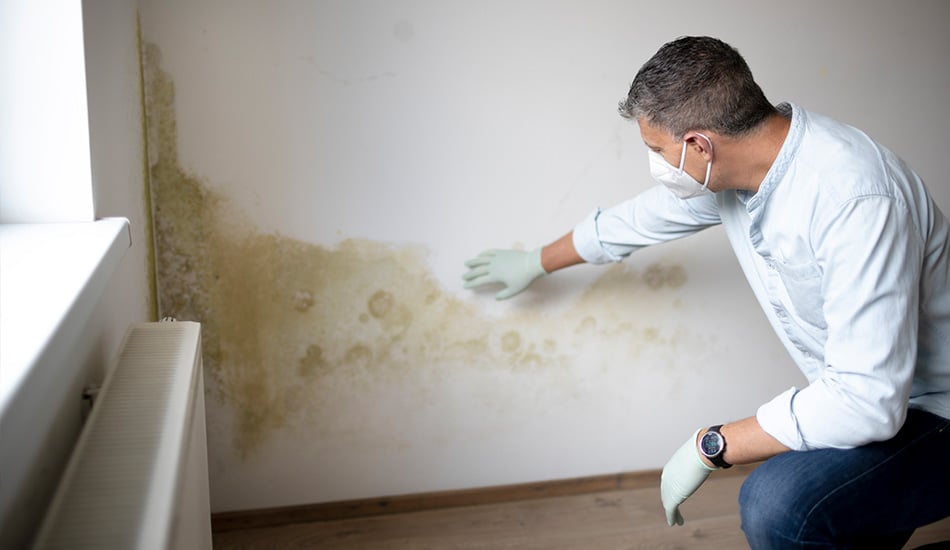
Mold Inspection and Testing Services in Lauderdale-by-the-Sea After Plumbing Leaks: Risks and Prevention Methods
Lauderdale-by-the-Sea, a coastal community in Broward County, Florida, is a beautiful place to live — but its warm, humid climate also makes homes especially susceptible to mold growth, especially after plumbing leaks, hidden moisture intrusion, or water damage. Property owners need to understand that while plumbing leaks may seem minor initially, if they are not addressed quickly and thoroughly, they can lead to widespread mold colonization that is expensive to remediate and dangerous to inhabit.
This guide covers:
- What mold is and why it’s dangerous
- How plumbing leaks lead to mold problems
- Professional mold inspection and testing services
- Risks associated with hidden moisture and mold exposure
- Prevention strategies for property owners
- What to expect if mold is found
1. What Is Mold and Why It Matters
Mold is a type of fungus that thrives in damp environments. In indoor settings, it reproduces by releasing microscopic spores into the air. Mold spores are everywhere — outdoors and indoors — but they only grow into colonies when moisture, warmth, and an organic surface (like drywall, wood, or insulation) are present.
From a health perspective, mold can produce allergens, irritants, and in some cases potentially toxic substances. Exposure to elevated mold levels can cause symptoms such as:
- Sneezing and nasal congestion
- Coughing and throat irritation
- Eye redness and itching
- Aggravation of asthma and allergy symptoms
These effects may occur immediately or develop over time depending on the individual’s sensitivity. Certain individuals such as children, elderly adults, and those with respiratory conditions are more vulnerable. (US EPA)
2. How Plumbing Leaks Lead to Mold Growth
A plumbing leak — whether from a behind-wall pipe, a leaking sink drain, or a water heater — introduces moisture into areas of the home that may remain hidden and poorly ventilated:
- Behind walls and baseboards
- Under cabinets
- Beneath flooring
- Around toilets or bathtubs
Even small leaks can create a sustained moisture source, which mold needs to grow. In Florida’s humid climate, mold can begin to develop within 24–48 hours if moisture isn’t controlled quickly, and it can hide deep within structural cavities where it’s not initially visible. (US EPA)
Because of this, timely detection and moisture control are paramount.
3. Mold Inspection and Testing Services
After plumbing leaks — especially if water was standing for more than a few hours — property owners should consider professional mold inspection and testing services. In Lauderdale-by-the-Sea and the South Florida region, certified inspectors use a suite of non-destructive tools and testing methods to identify mold and moisture problems before they become extensive:
A. Visual Inspection
Professionals assess each room for signs of:
- Visible mold (discoloration, fuzzy growth)
- Water stains on ceilings, walls, and floors
- Warped materials or peeling paint
- Musty odors indicating hidden moisture
B. Moisture Mapping
Moisture meters and hygrometers detect elevated humidity and wet spots that might not be visible to the naked eye. Mapping moisture helps locate leak sources and moisture migration paths so they can be repaired. (Mold Shark)
C. Thermal Imaging
Infrared (thermal) cameras reveal temperature differences in wall cavities and ceilings that often indicate moisture intrusion — a key sign of hidden leaks or mold risks even when the surface looks normal. (Mold Shark)
D. Air & Surface Sampling
Certified labs can analyze:
- Airborne spore levels
- Surface swabs of suspected mold growth
- Tape lifts or bulk samples for species identification
Sampling helps determine exactly what types of mold are present and whether levels are above what would normally be expected indoors. This is especially important if occupants are experiencing health symptoms or if insurance documentation is needed. (Florida Mold Testers)
E. Specialized Detection Methods
Advanced services also include non-invasive detection using trained dogs and specialized lab analysis to pinpoint hidden mold growth when needed. (Florida Mold Testers)
4. Health and Structural Risks of Moisture and Mold
A. Health Risks
Exposure to mold, especially indoors, can trigger:
- Allergic reactions (sneezing, itchy eyes, skin rash)
- Asthma attacks in sensitive individuals
- Respiratory infections in immunocompromised individuals
People with mold allergies may experience symptoms similar to hay fever, and those with underlying lung conditions can experience more severe effects. (Mayo Clinic)
B. Structural and Property Risks
Mold can compromise building materials if left unchecked:
- Wood rot and decay
- Drywall deterioration
- Flooring warping
- Decreased property values and increased remediation costs
Once mold becomes established behind walls or under floors, remediation becomes more extensive and expensive. Early inspection and moisture control help avoid these escalating risks. (US EPA)
5. Prevention Methods for Property Owners
Prevention centers on controlling moisture, fixing leaks promptly, and maintaining good ventilation. Here are essential prevention strategies:
✔ Fix Plumbing Leaks Immediately
Even slow drips can introduce moisture that promotes mold growth. Addressing leaks as soon as they are detected prevents prolonged damp conditions.
✔ Dry Moisture Within 24–48 Hours
If a leak has soaked into materials, use:
- Wet/dry vacuums
- Fans
- Commercial-grade dehumidifiers
- Open windows (when safe and dry outside)
Drying materials within 48 hours reduces the chance of mold establishing itself on porous surfaces. (US EPA)
✔ Maintain Indoor Humidity Below 50%
High humidity supports mold growth. Dehumidifiers, proper air conditioning, and ventilation fans in bathrooms and kitchens help keep humidity in check.
✔ Improve Ventilation
Good air circulation helps evaporate moisture and reduce fungal growth. Make sure exhaust fans vent outside, not into attics or crawl spaces.
✔ Monitor Hidden Areas
Areas under sinks, around water heaters, behind appliances, and beneath flooring should be periodically checked for moisture buildup.
6. What to Expect After Mold Testing
A professional mold inspection report typically includes:
- Detailed findings of visible mold
- Moisture levels and maps showing affected areas
- Results from air or surface sampling
- Recommendations for remediation and further testing
If elevated mold levels are confirmed, the inspector may recommend either remediation (removal and cleaning) or targeted repairs followed by follow-up testing.
Professionals often provide containment protocols to prevent the spread of spores during cleanup, and they may install HEPA filtration and dehumidification during remediation to protect indoor air quality. (AdvantaClean)
When to Call a Professional
You should strongly consider professional inspection and testing if:
- You’ve had visible water damage from leaks
- Musty odors persist after drying efforts
- Occupants report respiratory irritation
- You’re buying or selling property in Lauderdale-by-the-Sea
- Insurance claims require documented mold assessments
Professional services give you a science-based assessment rather than guessing about hidden moisture and potential mold hazards.
Final Thoughts
Mold is not just an aesthetic nuisance — it is a health and structural threat that begins with water and moisture. In humid environments like Lauderdale-by-the-Sea, the combination of plumbing leaks and high ambient humidity accelerates mold growth, which can begin within a day or two of exposure. (US EPA)
Mold inspection and testing services provide property owners with clarity and confidence: they reveal hidden issues, document mold levels, and guide effective remediation and prevention. With proper attention to leaks, moisture control, and professional assessments when needed, you can protect both your investment and the well-being of occupants.
If you’d like, I can provide a step-by-step property owner checklist for mold inspection preparation or a sample post-inspection remediation plan specifically for Lauderdale-by-the-Sea homes. Just let me know!