
North Lauderdale Mold Removal After Flooding: How to Prevent Future Damage
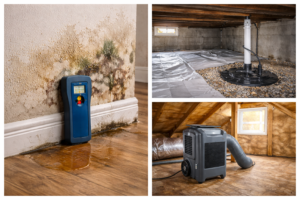
Flooding in North Lauderdale, Florida, is a serious risk for residential and commercial properties, especially during hurricane season or periods of heavy rain. Floodwaters can penetrate homes, saturating walls, floors, and insulation. If left untreated, moisture provides ideal conditions for mold growth, which can cause structural damage, reduce indoor air quality, and pose serious health risks.Here’s a detailed, professional guide on “North Lauderdale Mold Removal After Flooding: How to Prevent Future Damage”, covering causes, health risks, remediation steps, prevention strategies, and best practices, along with relevant images
For property owners, understanding how to remove mold after flooding and implement preventive measures is essential to protect both property and occupants. This guide provides a comprehensive overview of post-flood mold management and strategies to prevent future damage.
1. Why Mold Grows After Flooding
Mold is a type of fungus that reproduces via microscopic spores. Flooding creates the perfect environment for mold:
- Excess moisture: Saturated building materials provide food for mold.
- Warm temperatures: South Florida’s humid climate accelerates fungal growth.
- Organic materials: Drywall, wood, carpet, and insulation serve as nutrients.
Mold can begin to grow within 24–48 hours of water exposure. Once established, it can spread rapidly, especially in areas with poor ventilation or hidden moisture.
2. Health Risks of Mold Exposure
Mold is not only a property problem—it is a health hazard. Exposure can cause:
- Allergic reactions: sneezing, runny nose, red eyes, skin rash
- Respiratory issues: asthma flare-ups, coughing, throat irritation
- Infections: rare but possible in immunocompromised individuals
- Toxicity: certain molds produce mycotoxins that can be harmful
Early mold removal minimizes these risks and ensures safe living conditions.
3. Initial Steps After Flooding
After a flood, immediate action is critical to prevent mold growth:
- Ensure Safety
- Turn off electricity if water has entered the property.
- Wear protective gear (gloves, masks, boots).
- Document the Damage
- Take photos or videos for insurance claims.
- Remove Standing Water
- Use pumps or wet vacuums to extract water.
- Ventilate the Home
- Open doors and windows if safe, and use fans to circulate air.
- Assess the Extent of Damage
- Identify areas of water intrusion and materials that may retain moisture.
Quick response is crucial; delaying action by even a day or two can allow mold to establish and spread.
4. Mold Inspection and Assessment
Professional mold inspection is recommended after flooding, particularly if:
- Water has entered walls, floors, or ceilings
- Musty odors are present
- Health symptoms appear in occupants
A. Visual Inspection
Look for:
- Discoloration on walls, ceilings, or floors
- Warping or bubbling of drywall and wood
- Stains or fuzzy growth indicative of mold
B. Moisture Detection Tools
- Moisture meters detect dampness inside walls and floors
- Infrared cameras reveal hidden moisture behind walls or ceilings
C. Sampling and Testing
- Air sampling can quantify mold spores
- Surface swabs or tape lifts identify species of mold
Professional assessment ensures the scope of remediation is accurate and helps prevent incomplete removal.
5. Mold Removal Process
Effective mold remediation involves several steps:
A. Containment
- Seal off affected areas with plastic sheeting to prevent spores from spreading
- Use negative air pressure in contaminated zones
B. Remove Contaminated Materials
- Discard water-damaged carpets, padding, drywall, and insulation
- Porous materials often cannot be fully sanitized
C. Cleaning Non-Porous Surfaces
- Scrub metal, tile, and wood with detergent and water
- Apply antimicrobial solutions to prevent regrowth
D. Drying
- Use industrial dehumidifiers and air movers
- Ensure walls, floors, and hidden cavities are completely dry
E. Mold Prevention Treatments
- Apply mold inhibitors on cleaned surfaces
- Ensure proper ventilation during drying
In severe cases, professional mold remediation services are recommended, especially if mold covers more than 10 square feet or is hidden behind walls.
6. Prevention Strategies for Future Floods
Preventing mold after future flooding is easier than remediating extensive damage.
A. Structural Improvements
- Install flood barriers, sump pumps, or backflow valves
- Elevate electrical systems, appliances, and HVAC units above potential flood levels
- Improve grading and drainage around the property
B. Building Material Choices
- Use water-resistant drywall and insulation
- Choose flooring that tolerates moisture (tile, vinyl) in flood-prone areas
C. HVAC and Ventilation
- Ensure proper air circulation to reduce humidity
- Install dehumidifiers in basements or enclosed areas
D. Regular Maintenance
- Inspect roofs, gutters, and plumbing before hurricane season
- Seal windows and doors against storm water intrusion
E. Rapid Water Removal
- Have a plan for immediate water extraction after flooding
- Quick drying prevents mold spores from taking hold
7. Insurance and Documentation
Property owners should understand insurance coverage for flood and mold damage:
- Flood insurance is typically separate from standard homeowners insurance
- Document all damage and remediation efforts for claims
- Keep records of mold inspection reports, photographs, and invoices
Proper documentation can reduce disputes with insurers and provide proof of proactive care.
8. Costs of Mold Removal After Flooding
Mold remediation costs vary depending on severity:
| Scope of Mold Damage | Approximate Cost (USD) |
|---|---|
| Small area (<10 sq. ft.) | $500 – $1,500 |
| Moderate area (10–50 sq. ft.) | $1,500 – $5,000 |
| Extensive mold (>50 sq. ft.) | $5,000 – $15,000+ |
Costs include material removal, cleaning, drying, and sometimes repairs or replacement of structural components.
9. Hiring Professional Mold Remediation Services
Professional services ensure safe, effective mold removal:
- Licensed, insured technicians follow EPA and IICRC guidelines
- Use specialized equipment: HEPA vacuums, air scrubbers, moisture meters, and dehumidifiers
- Containment prevents spores from spreading to other areas
- Provide post-remediation verification to confirm mold has been eradicated
Hiring professionals is especially important for large-scale flooding or hidden mold in walls, attics, or crawl spaces.
10. Conclusion
Mold after flooding in North Lauderdale is a serious problem, but proactive steps can protect property and health:
- Act quickly to remove water and dry affected areas
- Inspect and assess for visible and hidden mold
- Follow a structured remediation process: containment, removal, cleaning, drying
- Implement preventive measures to reduce future flooding and mold risks
- Document the process for insurance and legal purposes
- Hire professionals for large-scale or hidden mold remediation
By combining immediate action, professional expertise, and long-term prevention, property owners can protect their homes from mold-related damage and health risks, ensuring a safe living environment even after flooding events.