How Mold Inspection and Testing Helps Homes in Coconut Creek After Plumbing Leaks
Plumbing leaks are one of the most common causes of indoor moisture problems in Coconut Creek homes. A slow leak under a sink, a damaged supply line behind a wall, or a water heater issue can release moisture for days or even weeks before being noticed. By the time visible stains or odors appear, moisture may already be trapped inside walls, flooring, or insulation.
Mold inspection and testing play a critical role in identifying hidden moisture and preventing long-term damage after plumbing leaks. Understanding how the inspection process works helps homeowners respond quickly and protect their property.
What the Mold or Moisture Issue Is
When water from a plumbing leak seeps into building materials, it creates a damp environment that allows mold to develop. Mold does not need standing water; it only requires moisture, warmth, and organic material such as drywall, wood, or dust.
Even after a leak is repaired, moisture can remain trapped in:
- Drywall and insulation
- Cabinet bases and flooring
- Subfloors beneath tile or laminate
- Wall cavities around pipes
Without proper inspection and drying, these hidden damp areas can allow mold to begin forming within a short time.
Why This Happens So Often in Pompano Beach and Coconut Creek
Homes in Coconut Creek and nearby Pompano Beach share environmental conditions that make moisture problems more likely. High humidity slows the drying process, and warm temperatures allow mold to grow more easily than in cooler climates.
Several factors contribute to the risk:
- Year-round humidity in South Florida
- Frequent rain increasing indoor moisture levels
- Air conditioning systems producing condensation
- Slab foundations that trap moisture
- Limited airflow in enclosed spaces such as cabinets and closets
These same conditions affect homes in Margate, Deerfield Beach, and North Lauderdale, making moisture inspections an important part of routine home maintenance across Broward County.
Common Signs Homeowners Notice
After a plumbing leak, some warning signs may appear quickly, while others develop gradually. Homeowners often notice:
- Musty or damp odors
- Discoloration on walls or baseboards
- Warped or soft flooring
- Peeling paint or bubbling drywall
- Persistent humidity in affected rooms
These signs often indicate hidden moisture that requires professional evaluation.
Hidden or Overlooked Sources
One of the biggest challenges with plumbing leaks is that water travels easily through building materials. Moisture may spread far beyond the original leak location.
Common hidden areas where moisture may remain include:
- Behind kitchen or bathroom cabinets
- Under carpets or rugs
- Inside wall cavities around pipes
- Beneath appliances such as dishwashers or washing machines
- Inside insulation in adjacent rooms
Because these areas are difficult to inspect visually, moisture can remain undetected for long periods.
Why DIY Mold Removal Usually Fails
Homeowners sometimes attempt to clean affected areas using household cleaners or disinfectants. While this may remove surface staining, it rarely addresses hidden moisture or mold growth.
DIY cleanup often fails because:
- Moisture remains inside materials
- Mold roots remain in porous surfaces
- Hidden areas are not inspected
- Humidity conditions are not corrected
Without identifying the source and extent of moisture, mold problems often return.
Professional Mold Inspection and Testing Explained
Professional mold inspection and testing provide a detailed understanding of moisture conditions inside a home. Inspectors use specialized tools to locate damp areas that cannot be seen during a basic visual inspection.
An inspection may include:
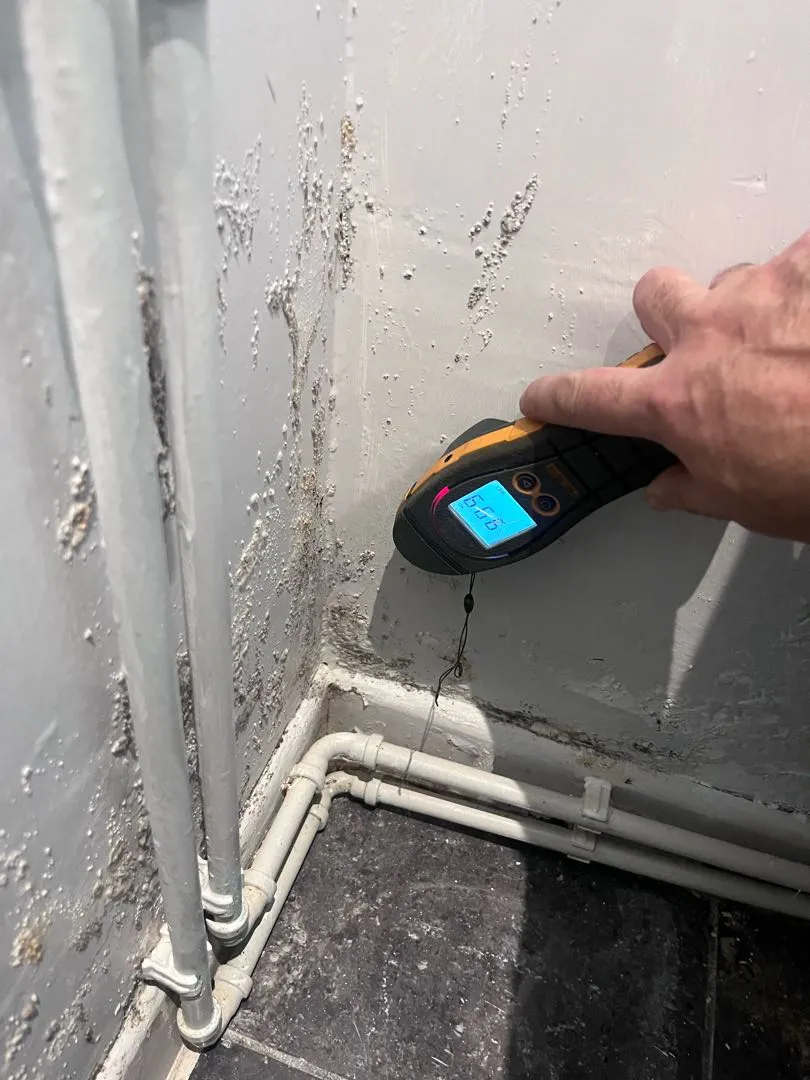
- Moisture meter readings in walls and floors
- Thermal imaging to locate hidden moisture
- Inspection of cabinets, baseboards, and plumbing areas
- Air quality sampling when needed
Experienced local companies such as Pompano Mold Inspection and Testing, serving Coconut Creek, Pompano Beach, and surrounding communities, often perform these inspections to determine whether mold conditions are present and to identify the source of moisture.
Proper Mold Removal and Remediation Process
If mold is discovered, proper remediation is necessary to prevent it from spreading. Effective remediation focuses on both removing mold and correcting moisture conditions.
The process typically includes:
- Isolating affected areas to prevent contamination
- Removing damaged materials when necessary
- Cleaning and treating structural surfaces
- Drying and dehumidifying affected areas
- Confirming that moisture levels are safe
This approach ensures that mold does not quickly return after cleanup.
Flood Restoration and Water Damage Repair
Although plumbing leaks may seem minor compared to flooding, they can cause similar damage over time. Water damage repair is often required after leaks to restore affected areas fully.
Repair and restoration may involve:
- Water extraction and drying
- Dehumidification and airflow control
- Cleaning and odor removal
- Repairing drywall, flooring, or cabinetry
Thorough drying is essential to prevent recurring moisture problems.
Air Ducts, AC Systems, and Mold
Moisture from plumbing leaks can sometimes affect nearby HVAC systems, especially when leaks occur in utility closets or near air handlers. Damp air may circulate through duct systems, contributing to odors and humidity.
Inspection of ducts and ventilation may be recommended when:
- Odors persist after drying
- Moisture levels remain elevated
- Leaks occur near HVAC equipment
Maintaining clean ducts and proper airflow helps reduce the risk of mold spreading indoors.
How to Prevent Mold in Pompano Beach Homes
Preventing mold after plumbing leaks requires both quick action and regular maintenance. Homeowners in Coconut Creek and nearby Pompano Beach can reduce risk by following these practical steps:
- Repair plumbing leaks immediately
- Dry affected areas within 24–48 hours
- Use dehumidifiers during humid months
- Inspect cabinets and flooring after leaks
- Maintain AC drain lines and ventilation
- Schedule periodic moisture inspections
Early detection is one of the most effective ways to prevent mold growth.
Why Local Experience Matters
Moisture behavior in South Florida homes differs from many other regions. High humidity, frequent storms, and year-round air conditioning create conditions where even small leaks can lead to significant moisture problems.
Professionals familiar with local homes in Coconut Creek, Lauderdale-by-the-Sea, and Fort Lauderdale understand where hidden moisture is most likely to occur and how to address it effectively. Local experience helps ensure that inspections are thorough and repairs are suited to the climate.
A Calm, Trust-Based Next Step
Plumbing leaks can happen in any home, but mold problems are not inevitable. Prompt repairs, proper drying, and professional inspection when needed help prevent long-term damage.
By paying attention to early warning signs and taking a proactive approach, homeowners in Coconut Creek can protect their homes, maintain indoor comfort, and avoid recurring moisture issues.