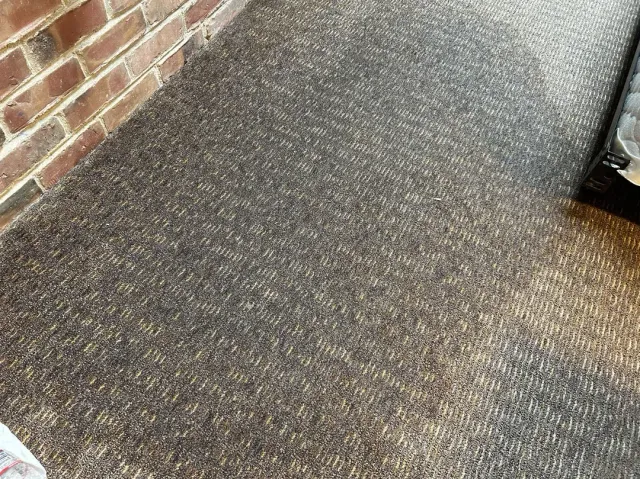
How Carpet Cleaning After Water Damage Helps Homes in Lauderdale-by-the-Sea After Heavy Rain
Heavy rain is a regular part of life in Lauderdale-by-the-Sea. Coastal storms, sudden downpours, and saturated ground can allow water to enter homes through doors, windows, or minor structural openings. Even when flooding is limited, carpeting often absorbs moisture quickly, holding water deep within fibers and padding.
Carpet cleaning after water damage is not only about restoring appearance—it plays a major role in preventing odors, moisture buildup, and long-term structural problems. Understanding how this process works helps homeowners protect their property and maintain a comfortable indoor environment.
What the Water Damage Issue Is
Carpet is highly absorbent, which means it can hold a significant amount of moisture after heavy rain. Water often spreads beneath the carpet into the padding and subfloor, where it can remain trapped long after the surface appears dry.
If moisture is not removed properly, it can lead to:
- Persistent damp odors
- Damage to carpet backing and padding
- Warping of subfloors
- Conditions that allow mold to develop
Because moisture is often hidden below the surface, proper cleaning and drying are essential.
Why This Happens So Often in Pompano Beach and Lauderdale-by-the-Sea
Homes in Lauderdale-by-the-Sea and nearby Pompano Beach are exposed to environmental conditions that increase the risk of water intrusion. Coastal weather patterns bring frequent storms, high humidity, and heavy rainfall throughout much of the year.
Several factors contribute to carpet water damage in this area:
- Wind-driven rain entering through doors or windows
- Minor flooding during intense storms
- High humidity slowing drying
- Slab foundations that retain moisture
- Air conditioning systems increasing condensation indoors
Similar conditions affect homes in Deerfield Beach, Margate, Coconut Creek, and Fort Lauderdale, making water damage restoration a common need across Broward County.
Common Signs Homeowners Notice
After heavy rain, water-damaged carpet may not always look soaked. In many cases, homeowners notice subtle warning signs first:
- Musty or damp odors
- Carpet that feels slightly cool or clammy
- Darkened or uneven coloration
- Increased indoor humidity
- Edges of carpet lifting or curling
These signs usually indicate that moisture is trapped beneath the surface.
Hidden or Overlooked Sources of Moisture
Moisture often travels farther than expected. Even a small amount of water can spread beneath carpet and into nearby materials.
Common hidden areas affected by water damage include:
- Carpet padding and underlayment
- Wooden or concrete subfloors
- Baseboards and lower sections of drywall
- Inside closets or adjacent rooms
Without proper drying, moisture in these areas may remain undetected for days or weeks.
Why DIY Carpet Cleaning Usually Fails
Many homeowners attempt to dry carpets using household fans or wet vacuums. While these methods may remove surface moisture, they rarely address water trapped in padding or subfloors.
DIY approaches often fail because:
- Deep moisture remains in underlying materials
- Household equipment lacks sufficient extraction power
- Humidity levels are not controlled effectively
- Hidden damp areas are overlooked
Incomplete drying is one of the most common reasons odors or mold problems develop later.
Professional Mold Inspection and Testing Explained
After significant water exposure, mold inspection may be recommended to ensure that hidden moisture has not created conditions for mold growth.
A professional inspection may include:
- Measuring moisture levels in carpet and flooring
- Inspecting baseboards and drywall near affected areas
- Evaluating indoor humidity levels
- Checking nearby HVAC components
Experienced local companies such as Pompano Mold Inspection and Testing, serving Lauderdale-by-the-Sea and surrounding communities, often perform these inspections to confirm that drying has been effective and that mold conditions are not developing.
Proper Mold Removal and Remediation Process
If mold is discovered, remediation focuses on removing contamination and correcting moisture conditions.
Typical steps include:
- Containing affected areas
- Removing contaminated padding or materials when necessary
- Cleaning and treating structural surfaces
- Drying and dehumidifying affected areas
- Verifying moisture levels are safe
This process helps prevent mold from returning after restoration.
Flood Restoration and Water Damage Repair
Carpet cleaning is only one part of a complete water damage restoration process. Repair work may also include drying surrounding materials, removing damaged sections of drywall, and restoring affected flooring.
Water damage repair typically involves:
- High-powered water extraction
- Controlled drying with air movers and dehumidifiers
- Cleaning and deodorizing affected areas
- Repairing or replacing damaged materials
Thorough drying is essential to protect the structure of the home.
Air Ducts, AC Systems, and Mold
High indoor humidity after heavy rain can also affect HVAC systems. Moisture may accumulate in ducts or around air handlers, leading to odors or reduced airflow.
Inspection of ducts and ventilation may be recommended if:
- Odors persist after drying
- Humidity levels remain elevated
- Water damage occurred near HVAC equipment
Maintaining clean ducts and proper airflow helps prevent moisture from circulating indoors.
How to Prevent Mold in Pompano Beach Homes
Homeowners in Lauderdale-by-the-Sea and nearby Pompano Beach can reduce the risk of carpet water damage by taking several practical steps:
- Seal gaps around doors and windows
- Inspect roofs and flashing regularly
- Keep gutters and drainage systems clear
- Use dehumidifiers during humid weather
- Dry wet carpets promptly after water exposure
Regular maintenance and quick response help prevent small problems from becoming major repairs.
Why Local Experience Matters
Water damage restoration in coastal South Florida requires understanding how humidity affects drying times and moisture behavior. Homes in Lauderdale-by-the-Sea, Margate, and Fort Lauderdale often require specialized drying methods because high humidity slows evaporation.
Professionals familiar with local construction styles and climate conditions are better equipped to locate hidden moisture and ensure that carpets and structures dry completely.
A Calm, Trust-Based Next Step
Water damage from heavy rain can be stressful, but acting quickly makes a significant difference. Removing moisture, cleaning carpets thoroughly, and ensuring proper drying help protect flooring, prevent odors, and maintain indoor comfort.
By focusing on timely restoration and preventive maintenance, homeowners in Lauderdale-by-the-Sea can protect their homes and reduce the risk of recurring moisture problems.