
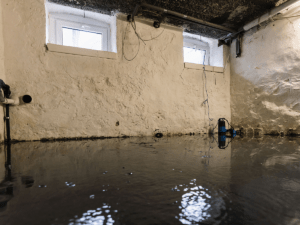
How Water Removal Helps Homes in Deerfield Beach Coastal Areas
Deerfield Beach, Florida, is a beautiful coastal community known for its scenic beaches, oceanfront living, and tropical climate. However, this environment presents unique challenges for homeowners, especially regarding water intrusion, flooding, and moisture management. Coastal homes are more vulnerable to storms, heavy rainfall, high tides, and even minor plumbing leaks, making water removal an essential aspect of property maintenance. Prompt and effective water removal not only protects the home’s structure but also safeguards indoor air quality, prevents mold growth, and preserves property value. This comprehensive guide explores the importance of water removal, its benefits, and practical strategies for homeowners in Deerfield Beach.
1. Why Coastal Homes Are at Risk
Coastal homes face specific challenges that inland properties rarely encounter:
1.1 High Rainfall and Tropical Storms
- Deerfield Beach experiences significant rainfall during the wet season, often exceeding 60 inches annually.
- Tropical storms and hurricanes can lead to sudden flooding, water intrusion, and structural damage.
1.2 Proximity to Saltwater
- Homes near the ocean are exposed to salt-laden air, which accelerates metal corrosion and can affect HVAC systems, plumbing, and fixtures.
- Saltwater intrusion can contaminate groundwater, posing risks if it enters basements, crawlspaces, or water-affected areas.
1.3 High Water Table
- Coastal regions have naturally high water tables, meaning groundwater can rise close to the foundation level, increasing the risk of basement or crawlspace flooding during heavy rains.
1.4 Structural Vulnerability
- Older homes may have outdated waterproofing, aging plumbing, or compromised roofing, which exacerbates water intrusion.
- Newer homes built to code still face risks from extreme weather and improper maintenance.
2. The Importance of Water Removal
Water removal is the first and most critical step after any water intrusion. Delays in removing standing water can lead to:
2.1 Structural Damage
- Wood rot in beams, floors, and cabinetry
- Warping of flooring materials such as hardwood and laminate
- Drywall swelling, peeling, or crumbling
- Foundation compromise in extreme cases
2.2 Mold and Mildew Growth
- Mold can begin growing within 24–48 hours in damp environments.
- Mold and mildew not only damage surfaces but also release spores into the air, compromising indoor air quality and occupant health.
2.3 Health Risks
- Prolonged exposure to standing water and damp environments can trigger respiratory issues, allergies, and skin irritation.
- Contaminated water, such as floodwater, can contain bacteria, viruses, or chemical pollutants.
2.4 Financial Consequences
- Ignoring water removal can increase repair costs exponentially.
- Homes left damp may require full replacement of flooring, walls, or HVAC systems.
- Property insurance claims may be denied if homeowners fail to mitigate water damage promptly.
3. Common Sources of Water in Deerfield Beach Homes
Understanding how water enters coastal homes helps homeowners prevent and address issues effectively:
3.1 Rainwater Intrusion
- Damaged or clogged gutters
- Roof leaks from missing or damaged shingles
- Faulty flashing around chimneys, windows, and doors
3.2 Flooding
- Storm surge during hurricanes or tropical storms
- Flash floods from heavy rain events
- Overflow from nearby canals or rivers
3.3 Plumbing Failures
- Burst pipes or leaking plumbing fixtures
- Water heater leaks
- Washer or dishwasher malfunctions
3.4 Condensation and Humidity
- High humidity common to coastal regions leads to condensation on windows, walls, and ceilings.
- Poor ventilation exacerbates dampness, increasing the risk of water-related damage.
4. Methods of Water Removal
Effective water removal requires a combination of professional techniques, tools, and preventive measures:
4.1 Extraction of Standing Water
- Pumps and wet/dry vacuums remove large volumes of water quickly.
- Portable submersible pumps are ideal for basements, crawlspaces, and low-lying areas.
- Professional water removal services ensure that water is extracted thoroughly to prevent hidden dampness.
4.2 Drying and Dehumidification
- Industrial fans and commercial-grade dehumidifiers dry floors, walls, and furniture.
- Proper airflow prevents mold growth and restores indoor air quality.
4.3 Cleaning and Disinfection
- After water removal, surfaces must be sanitized to prevent microbial growth.
- Contaminated water, especially floodwater, requires professional cleaning with antimicrobial solutions.
4.4 Structural Repairs
- Damaged drywall, flooring, and insulation may need replacement.
- Moisture meters and thermal imaging cameras help detect hidden water in walls or floors.
5. The Benefits of Prompt Water Removal
Prompt water removal offers significant advantages for homeowners:
5.1 Protects Structural Integrity
- Prevents wood rot, wall deterioration, and foundation weakening.
- Maintains the strength and safety of the home’s structural elements.
5.2 Reduces Mold Growth
- Moisture removal within 24–48 hours drastically reduces mold proliferation.
- Minimizes health risks and avoids expensive remediation.
5.3 Preserves Indoor Air Quality
- Reduces allergens, mold spores, and bacteria in the air.
- Prevents musty odors and keeps the home comfortable and safe.
5.4 Minimizes Financial Loss
- Early action reduces repair and replacement costs.
- Protects insurance eligibility and potential claims.
5.5 Protects Personal Belongings
- Furniture, electronics, and personal items can often be salvaged if water removal is immediate.
- Proper drying techniques restore valuable items while preventing secondary damage.
6. Professional vs. DIY Water Removal
While small spills can be managed by homeowners, coastal water intrusion often requires professional intervention:
6.1 Advantages of Professional Services
- Access to industrial-grade pumps, dehumidifiers, and drying equipment.
- Expertise in handling contaminated water (graywater or floodwater).
- Accurate moisture detection to identify hidden dampness.
- Mold prevention strategies following extraction.
6.2 DIY Limitations
- Household vacuums and fans are insufficient for significant water intrusion.
- Risk of hidden moisture leading to mold or structural damage.
- Potential health hazards if water is contaminated.
Professional water removal ensures comprehensive, safe, and efficient mitigation, preventing long-term problems in coastal homes.
7. Seasonal Considerations in Deerfield Beach
Coastal homeowners should be particularly vigilant during:
- Hurricane season (June to November): Storm surges and heavy rains increase the risk of water intrusion.
- Wet season: Persistent humidity and frequent rain require regular maintenance to prevent dampness.
- Storm preparation: Installing sump pumps, sealing windows, and maintaining gutters can reduce water damage risk.
Seasonal awareness allows homeowners to act proactively, reducing the need for extensive water removal after storms.
8. Preventative Measures for Water Management
Beyond removal, prevention is key to minimizing water-related damage:
8.1 Roofing and Gutter Maintenance
- Regularly inspect for missing shingles, cracked tiles, or leaks.
- Keep gutters and downspouts clear to ensure proper drainage.
8.2 Foundation and Crawlspace Protection
- Install sump pumps or French drains in low-lying areas.
- Apply sealants to foundation walls to prevent groundwater intrusion.
- Ensure proper grading around the property to divert water away from the home.
8.3 Plumbing Inspection
- Regularly check pipes, faucets, water heaters, and appliances.
- Replace aging plumbing before leaks occur.
8.4 Ventilation and Dehumidification
- Maintain HVAC systems to manage indoor humidity.
- Use dehumidifiers in basements, attics, and other moisture-prone areas.
8.5 Emergency Preparedness
- Have water extraction equipment on hand or know a reliable restoration service.
- Educate family members or tenants about quick response measures during flooding.
9. Environmental and Health Benefits
Effective water removal has direct impacts on environmental safety and health:
- Reduces the growth of mold, mildew, and bacteria.
- Minimizes airborne allergens and VOCs caused by water-damaged materials.
- Maintains comfortable indoor humidity levels, improving overall living conditions.
Homes with proper water management are safer, healthier, and more comfortable, benefiting both occupants and property value.
10. Long-Term Financial and Property Value Benefits
Homeowners investing in water removal and prevention can expect:
- Lower maintenance and repair costs over time.
- Preservation of structural integrity and long-term durability.
- Protection of personal belongings during water events.
- Higher resale value due to well-maintained, safe, and dry property.
Water removal is not just a reactive measure—it’s a financially prudent investment in the home’s longevity.
11. Case Study: Deerfield Beach Coastal Home
A coastal home in Deerfield Beach experienced minor flooding during a tropical storm. The homeowners hired a professional water removal company to:
- Extract standing water using industrial pumps.
- Deploy commercial fans and dehumidifiers to dry walls and floors.
- Inspect the crawlspace and foundation for hidden moisture.
- Sanitize the affected areas to prevent microbial growth.
- Install preventive measures, including foundation sealants and improved gutter systems.
Result: The home was fully restored with minimal damage, mold risk was eliminated, and future storms had reduced impact due to proactive preparation. This example demonstrates how water removal protects health, structure, and finances.
12. Conclusion
Coastal homes in Deerfield Beach face unique risks from water intrusion due to rainfall, storms, high tides, and humidity. Water removal is an essential part of property maintenance, offering numerous benefits:
- Protects structural integrity
- Prevents mold growth and health hazards
- Maintains indoor air quality
- Minimizes financial losses and repair costs
- Preserves property value and occupant comfort
Professional water removal, combined with preventive strategies, ensures homes are resilient to Florida’s coastal environment. Homeowners who prioritize water management protect not only their property but also the health and safety of those living within.